
Tongs and the classic fork-and-spoon combination serve overlapping yet distinct roles in the kitchen. While both can move, serve, and manipulate food, the mechanisms that define how they do this set them apart and affect their suitability for various cooking and dining tasks.
Understanding the mechanical differences and limitations of tongs compared to fork and spoon sets clarifies when one is a more practical choice than the other. This guide explains those differences in detail, focusing on real kitchen use rather than marketing claims.
Where each one wins
Tongs excel when you need to grab or flip hot items like grilled meats, vegetables, or pasta strands without piercing them. Their spring mechanism and length keep hands safely away from heat sources. The mechanical advantage provided by the spring-loaded arms allows a firm yet gentle grip, reducing the risk of crushing delicate foods. Most kitchen tongs measure between 9 to 12 inches, providing an optimal balance between control and safety when working over a hot grill or stove.
They also work well for serving salads or buffet-style dishes where you want to pick up multiple irregular pieces at once. The wide gripping surface of tongs can handle slippery or awkwardly shaped items, such as leafy greens or chunks of fruit, more effectively than a fork or spoon alone. Additionally, tongs made with silicone tips offer non-slip grip and protect non-stick cookware surfaces.
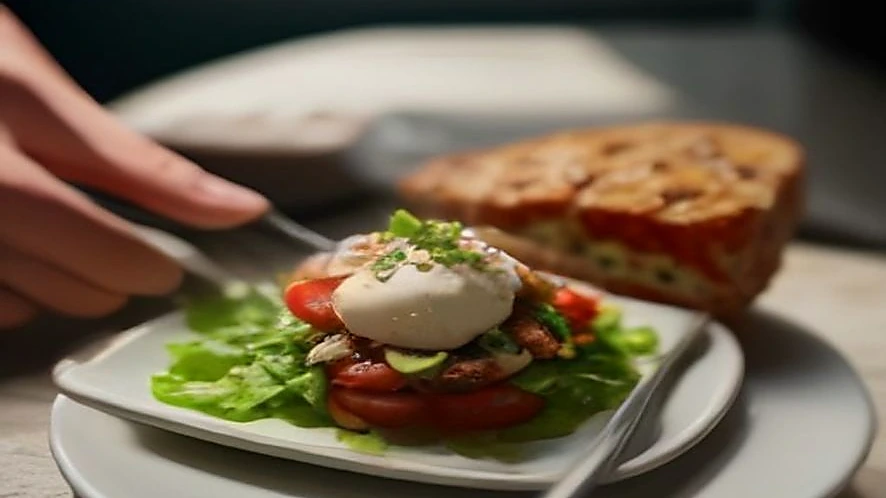
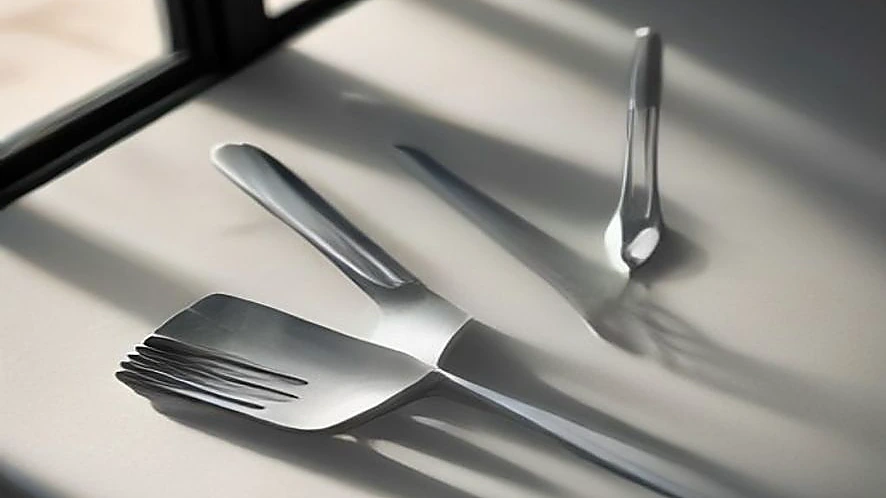
Fork and spoon sets come into their own at the dining table and in precise plating. The fork’s tines are useful for piercing firm foods like roasted vegetables or meat, allowing for controlled cutting and portioning. The spoon scoops sauces, rice, or soups neatly, with its concave shape designed to hold liquids and small pieces securely. Typically, a standard fork has four tines spaced to balance piercing ability and food retention, while spoons vary in size and depth depending on their intended use.
Combined, they allow nuanced manipulation, such as using the fork to hold food steady while cutting or the spoon to catch drips and control portion size. This combination is especially effective for delicate dishes requiring precision, such as plating fine dining entrees or managing slippery items like noodles or loose grains. The ergonomic design of both utensils supports comfortable handling during extended use, reducing hand fatigue.
How mechanical design shapes function
The mechanical design of tongs is centered around leverage and spring tension. The two arms are connected at a pivot or joined by a spring that exerts outward force, allowing the user to squeeze the handles to close the gripping ends. This design means that the force applied by the hand is amplified at the tips, enabling a secure hold on food without excessive hand effort. The length of the arms also keeps the user’s hand at a safe distance from heat sources, reducing the risk of burns.
In contrast, fork and spoon sets operate through direct manual manipulation. The fork’s tines rely on piercing to secure food, which works well for solid or firm items but can damage delicate foods or cause juices to leak. The spoon’s concave shape allows it to cradle liquids and small solids, making it versatile for soups, sauces, and grains. However, the fork and spoon require coordinated hand movements for effective use, such as holding food with the fork while cutting or using the spoon to catch falling pieces.
From a materials standpoint, tongs are often constructed with stainless steel arms and may feature silicone or plastic tips to enhance grip and protect cookware. The spring mechanism must be durable and resistant to corrosion to maintain consistent tension over time. Fork and spoon sets vary widely, from simple stainless steel designs to ornate silverware. The choice of material impacts heat conduction, weight, and ease of cleaning. For example, metal handles can conduct heat and become uncomfortable when serving hot dishes, while plastic or wooden handles provide insulation.
The cleaning complexity also differs between these utensils. Tongs, being a single hinged piece, can be easier to clean thoroughly as there are fewer crevices. However, the spring mechanism can trap food particles if not rinsed properly. Fork and spoon sets, being separate pieces, require individual attention during washing but have simpler shapes that are generally easier to sanitize. Dishwasher compatibility varies depending on materials and construction quality.
| Attribute | Tongs | Fork and spoon |
|---|---|---|
| Design | Two arms joined at pivot or spring, operated together | Two separate utensils with distinct shapes |
| Grip mechanism | Compresses or pinches food externally | Fork pierces; spoon cradles food internally |
| Suitability for slippery items | Good, as grip is external and adjustable | Poor for fork alone; spoon can hold liquids |
| Heat handling | Handles hot food without contact to fingers due to length | Fork can transfer heat; spoon varies by material and length |
| Precision in serving | Offers quick grasp and release, less fine control | Fork and spoon allow fine manipulation, especially for small or delicate items |
| Cleaning complexity | Single piece or hinged, can be easier to clean | Two pieces, sometimes harder to keep track of during washing |
From my kitchen
I once tried serving spaghetti with just a fork and spoon, as recommended in some recipes. The spoon was supposed to help twirl the pasta, but the strands kept slipping off or sticking to the fork awkwardly. Switching to tongs immediately fixed the problem. The tongs’ ability to pinch and lift the pasta strands without piercing meant I could plate the spaghetti in neat bundles without dropping it. This practical experience highlights how the mechanical advantage of tongs can simplify handling slippery or delicate foods, reducing serving time and improving presentation.
However, later when plating a composed salad with small delicate ingredients, I found the tongs too bulky to pick out the tiny capers or sliced olives. I had to use a fork and spoon to pick and place those precisely. That episode showed me why having both options in the kitchen is practical. The fork and spoon’s fine control allowed me to manage small items without crushing them, demonstrating the importance of utensil choice based on task requirements.
When neither tongs nor fork and spoon are ideal
For certain tasks like cutting or peeling, neither tongs nor fork and spoon are suitable. A sharp chef’s knife or specialised tools such as peelers and scissors are necessary. Using the wrong utensil not only hampers efficiency but can also be unsafe, increasing the risk of injury or food damage.
Also, for stirring thick dough or mixing batters, a whisk or wooden spoon is preferable because tongs and fork and spoon lack the surface area and motion to incorporate ingredients efficiently. The ergonomic design of whisks and wooden spoons facilitates thorough mixing and aeration, which is crucial for baking and certain cooking processes.
Choosing the right utensil depends on matching tool mechanics to the job. Sometimes that means looking beyond the common tongs or fork and spoon. Understanding the limitations and strengths of each tool can improve kitchen workflow, food quality, and safety. Investing in a well-rounded set of utensils tailored to your cooking style can make a significant difference in meal preparation and enjoyment.
Related reading
- 10+ Best Vegetable Peelers: Reviews & Top Picks
- Sauce Whisk vs Balloon Whisk: Which One Do You Actually Need?
- Best Cookware for Induction Cooktops: Top Picks & Reviews
Frequently Asked Questions
Can tongs be used for eating as well as cooking?
Tongs are primarily designed for cooking and serving hot food rather than eating directly. Their size and grip mechanism make them awkward for eating at the table, especially with finer foods. Fork and spoon sets are designed ergonomically for eating various dishes, allowing precise control and comfort.
What materials are best for tongs compared to fork and spoon?
Tongs are often made from stainless steel with silicone or plastic tips to avoid scratching cookware and to resist heat up to around 450°F (232°C). Fork and spoon sets come in stainless steel, silver, or plastic, but their heat tolerance depends on material and handle design. Metal handles can conduct heat, so care is needed.
Are there safety concerns using fork and spoon with hot food?
Yes. Fork tines can conduct heat from hot food, potentially burning fingers if the handle is metal and lacks insulation. The spoon may hold hot liquids that can spill easily. Tongs offer better safety for handling hot foods because their length and spring mechanism keep hands farther from heat sources.

Rimi Sultana is a home cook from Bangladesh who has cooked for her family every day for the past five years and writes about it at Smart Cooks. Perpetually testing whether internet-famous recipes actually work in a regular home kitchen. Say hello on Facebook or through the contact page.