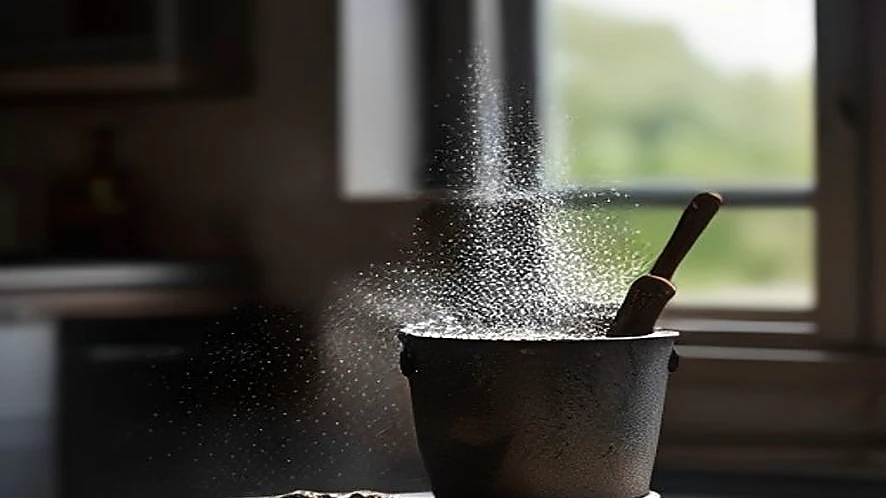
The quality of idli and dosa batter depends less on branding and more on how the grinder handles the grinding process. Key factors include the stone type and shape, motor power, drum size, and how heat is managed during grinding to prevent batter spoilage or uneven texture.
Some links in this post are affiliate links. If you buy through them we may earn a small commission at no extra cost to you — it never changes which products we recommend.
A good wet grinder keeps the batter temperature below 38°C (100°F) to avoid fermentation issues while producing a consistently fine and smooth batter. Grinders that fail in these areas often overheat or produce gritty batter, which affects the final dishes’ texture and taste.
What actually matters
When selecting a wet grinder for idli and dosa batter, certain technical features determine how well it performs over time and how suited it is to your cooking needs.
Grinding mechanism and stones
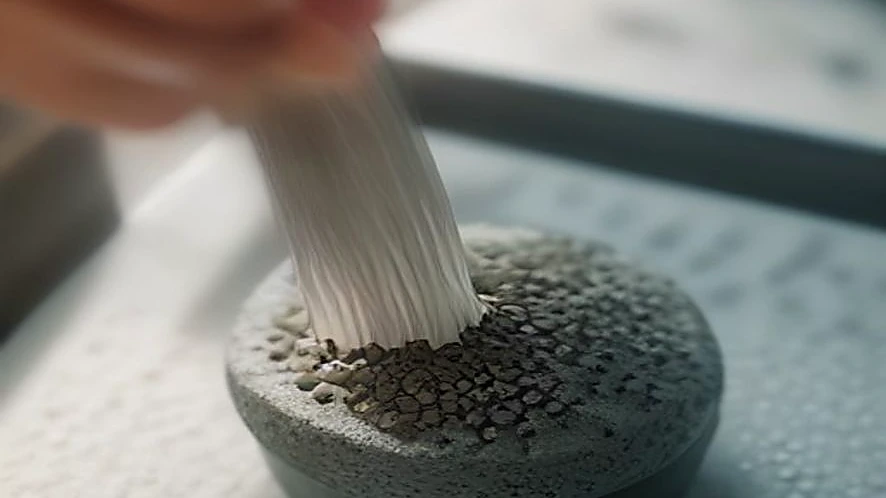
Wet grinders use conical or cylindrical stones made from granite or similar dense materials. Conical stones, like those in the ULTRA models, create a grinding action that presses and crushes grains uniformly without excessive heat buildup. Overheating can cause batter spoilage by denaturing enzymes needed for fermentation. The shape and weight of stones also influence how finely the grains are ground.
The grinding stones’ density and surface texture directly impact the batter’s smoothness and consistency. Granite stones provide a natural abrasive surface that crushes grains gently, preserving the integrity of starches and proteins essential for fermentation. The weight of the stones contributes to the grinding pressure, affecting the time required to achieve the desired batter consistency. Additionally, the stones’ arrangement inside the drum ensures even grinding, preventing coarse particles that can lead to uneven cooking of idlis and dosas.
Heat management during grinding is critical. Excess heat above 38°C (100°F) can kill beneficial microorganisms and enzymes, leading to poor fermentation and sour or flat-tasting batter. Patented conical stones are designed to minimize friction heat by optimizing grinding angles and pressure distribution, enabling longer grinding times without overheating. This mechanism is essential for maintaining batter quality, especially when grinding larger batches.
Motor power and speed control
Power rating, measured in watts, correlates with how much batter you can grind at once and how quickly. For example, an 85-watt motor, like in the ULTRA Mini, suffices for small batches up to 1.25 liters but may strain for larger quantities. Higher wattage motors, such as the 200-watt Premier Compact, handle larger volumes with less effort but risk overheating if not properly ventilated or if the grinder lacks speed regulation.
The motor’s power directly influences grinding efficiency and duration. A higher wattage motor can maintain consistent torque even under heavy loads, which reduces grinding time and improves batter texture. For instance, a 200-watt motor can grind 2 liters of soaked rice and lentils in approximately 15-20 minutes, whereas an 85-watt motor might take 25-30 minutes for 1.25 liters.
Speed control features allow users to adjust the grinding speed according to the batch size and ingredient type. Lower speeds reduce heat generation and preserve batter quality, while higher speeds can speed up processing but risk overheating. Grinders without speed control rely on fixed motor speeds, which may not be ideal for all grinding needs. Proper ventilation and thermal overload protection are also important to prevent motor burnout during extended use.
Drum size and material
Drum capacity is crucial depending on your household size. A 1.25-liter drum suits a family of four, while 2 to 2.5-liter drums accommodate larger families or frequent grinding. Stainless steel drums, like those in the ULTRA and Premier models, resist rust and are easier to maintain. Plastic drums can be lighter but may absorb odours and are less durable over time. The ability to store batter directly in the grinding drum can reduce cleaning and transfer steps.
The drum’s volume determines the maximum batch size you can grind efficiently without overloading the motor. For example, a 2.5-liter drum allows grinding batter sufficient for 10-12 idlis or dosas in one batch, suitable for large families or occasional entertaining. Smaller drums require multiple batches, which can increase total preparation time and risk inconsistent batter quality due to repeated heating cycles.
Material quality affects hygiene and durability. Stainless steel drums are non-porous, preventing bacterial growth and odour retention. They also withstand acidic batter without corrosion. Plastic drums, while lighter and more affordable, may develop scratches that harbor bacteria and retain smells, impacting batter flavor over time. Additionally, stainless steel drums facilitate easier cleaning and maintain their appearance longer.
Some wet grinders feature tilting drums that simplify batter removal, reducing spillage and cleaning time. However, the added mechanical parts may require maintenance. Fixed drums are simpler but may need manual scraping to remove batter completely. The choice depends on user preference and maintenance willingness.
Choosing the right wet grinder for your needs
If your household regularly prepares batter for a large family or frequent entertaining, prioritising capacity and motor power will prevent overheating and grinding time issues. The Elgi Ultra Bigg+ and Premier models with 2 to 2.5-liter drums are suitable. Smaller families or those with limited kitchen space might prefer compact models like the ULTRA Mini or TABAKH Lite, accepting the trade-off of smaller batches.
Consider also the ease of cleaning and maintenance. Tilting grinders simplify batter removal but introduce mechanical parts that may require upkeep. Stainless steel drums are more hygienic and durable compared to plastic but add weight. If you want attachments for other tasks like coconut scraping or atta kneading, models like the TABAKH Lite provide extra versatility.
Not everyone needs a wet grinder. If you only occasionally make idli or dosa batter, or prefer store-bought batter, a traditional mixer grinder or blender might suffice, though they usually do not produce the same fermentation-friendly texture. For frequent home cooks focused on quality, wet grinders remain the better choice.
The consequences of choosing an underpowered or undersized grinder can be significant. Overloading a small motor leads to overheating, which may cause permanent damage to the motor windings and shorten the appliance’s lifespan. Additionally, overheating batter can kill the natural fermenting agents, resulting in dense, sour, or unevenly cooked idlis and dosas. Conversely, investing in a grinder with excessive capacity for your typical batch size may lead to inefficient use of electricity and countertop space.
Energy consumption is another consideration. Higher wattage grinders consume more power but complete grinding faster, potentially balancing overall energy use. For example, a 200-watt grinder running for 20 minutes uses approximately 0.067 kWh, while an 85-watt grinder running for 30 minutes uses about 0.043 kWh. The choice depends on balancing batch size, grinding time, and energy efficiency.
Durability and warranty also factor into long-term satisfaction. Models with robust motors, quality stones, and stainless steel drums tend to last longer and maintain performance. Some brands offer extended warranties and customer support, which can be decisive for frequent users. Regular maintenance, such as cleaning stones and drums and avoiding overloading, extends grinder life and ensures consistent batter quality.
| Pick | Best for | Capacity (Liters) | Watch out for |
|---|---|---|---|
| ULTRA Mini 1.25L | Small families or limited space | 1.25 | Low capacity for large batches |
| Premier Compact 2L | Mid-sized kitchens needing power | 2 | No speed control, heavier unit |
| Premier Tilting 2L | Ease of batter removal and cleaning | 2 | Tilting mechanism adds complexity |
| Elgi Ultra Bigg+ 2.5L | High volume grinding with storage | 2.5 | Heavier and more expensive |
| TABAKH Lite 1.5L | Convenient use with attachments | 1.5 | Smaller capacity, niche use |
From my kitchen
Once I tried grinding a large batch of idli batter in the ULTRA Mini, hoping to save time. The motor slowed noticeably, and the batter heated up too much, causing a slightly sour taste after fermentation. I switched to smaller batches of about one litre, letting the motor cool between uses. The batter texture returned to smooth and light, proving the importance of matching grinder capacity and motor power to batch size.
This experience highlights how exceeding a grinder’s intended capacity can degrade batter quality and strain the appliance. It also underscores the value of patience and proper batch sizing to achieve the best fermentation results and prolong the grinder’s lifespan.
Worth Considering
Best for small families and beginners: ULTRA Mini Table Top 1.25L Wet Grinder

This model is compact with a 1.25-liter drum, ideal for a family of four or kitchens with limited counter space. Its patented conical stones limit batter heating during grinding, preserving texture and fermentation potential. Not suitable for larger batches due to its limited capacity and 85-watt motor.
Brand: Brand: ULTRA · Price when checked: $220.32 · Rating: 4.3 out of 5 (1,597 ratings)
Pros
- Patented conical stones reduce batter temperature rise
- Rust-resistant AISI 304 stainless steel drum
- Compact and lightweight for easy storage
Cons
- 1.25-liter capacity limits batch size
- Lower motor power may extend grinding time for dense ingredients
Best power for mid-size kitchens: Premier Compact Table Top Wet Grinder 2L
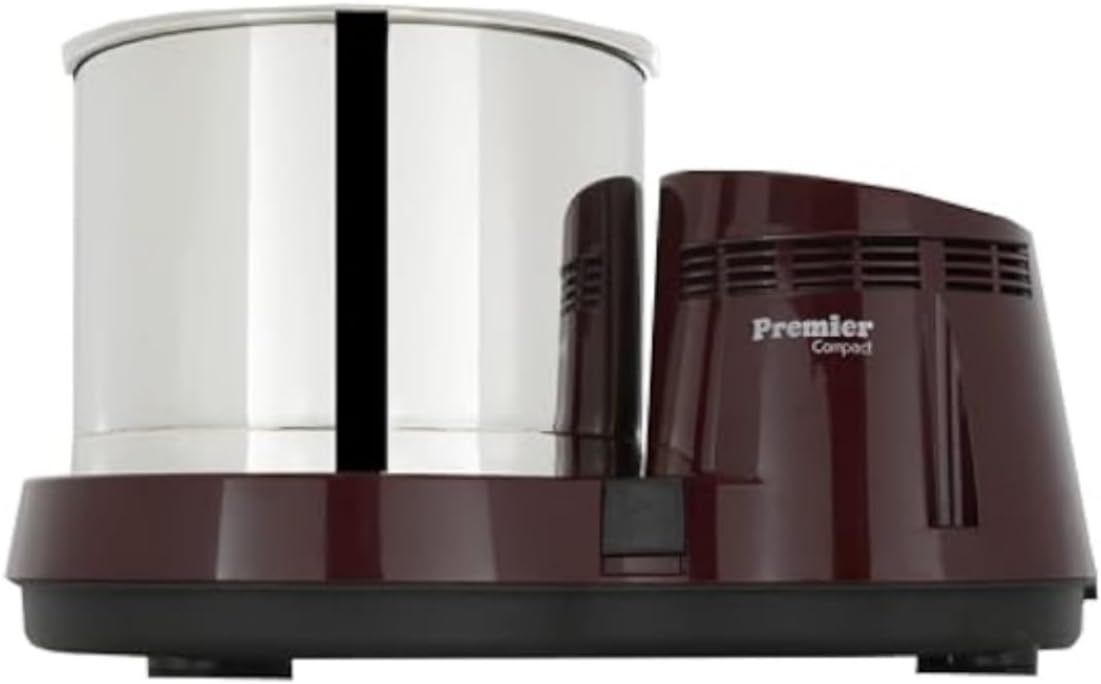
With a robust 200-watt motor and 2-liter stainless steel drum, this grinder handles moderate volumes efficiently. Its design simplifies cleaning and includes food-safe, BPA-free components. It lacks speed control and can be heavier to manage, which may not suit all users.
Brand: PREMIER · Price when checked: $279.99 · Rating: 4.5 out of 5 (1,597 ratings)
Pros
- Powerful 200-watt motor for faster grinding
- High-quality stainless steel drum and BPA-free parts
- Easy to disassemble and clean
Cons
- Heavier unit may be cumbersome to move
- No speed variation to optimise grinding consistency
Best for convenience and cleaning: Premier Lifestyle Tilting Wet Grinder 2L

This tilting grinder is designed to make batter removal easier, reducing spillage and cleaning effort. Its 2-liter capacity suits families who prefer frequent use. However, the tilting mechanism adds mechanical complexity and potential points of wear.
Brand: PREMIER · Price when checked: $263.99 · Rating: 4.3 out of 5 (1,597 ratings)
Pros
- Tilting drum for effortless batter removal
- 2-liter capacity for medium to large batches
- Proven reliable motor for consistent performance
Cons
- Tilting design requires more maintenance
- Slightly more complex to disassemble
Best for high-volume grinding and batter storage: Elgi Ultra Bigg+ 2.5 Liter Table Top Wet Grinder

This model features a heavy-duty motor with a 2.5-liter stainless steel drum that allows grinding and storing batter in the same vessel, saving cleanup. The patented conical stones minimise heat generation. It is heavier and pricier, which may not suit occasional users or small kitchens.
Brand: Brand: Elgi · Price when checked: $363.52 · Rating: 3.9 out of 5 (335 ratings)
Pros
- Large 2.5-liter capacity for big families
- Heavy-duty motor prevents overheating
- Batter can be stored directly in the drum
Cons
- Higher price point
- Heavier and bulkier to handle
Best for versatility and ease of assembly: TABAKH Lite 1.5-Liter Stone Wet Grinder

This lightweight grinder comes with a complimentary coconut scraper and atta kneader, making it suitable for users seeking an all-in-one appliance for Indian cooking. Its BPA-free parts and easy assembly are convenient, but the 1.5-liter capacity and lighter motor limit its use for very large batches.
Brand: Brand: T TABAKH · Price when checked: $149.99 · Rating: 4.6 out of 5 (1,597 ratings)
Pros
- Includes coconut scraper and atta kneader attachments
- Lightweight and easy to assemble/disassemble
- BPA-free, food-safe components
Cons
- Limited to 1.5-liter capacity
- Not designed for continuous heavy-duty use
Choosing the right wet grinder for your needs
If your household regularly prepares batter for a large family or frequent entertaining, prioritising capacity and motor power will prevent overheating and grinding time issues. The Elgi Ultra Bigg+ and Premier models with 2 to 2.5-liter drums are suitable. Smaller families or those with limited kitchen space might prefer compact models like the ULTRA Mini or TABAKH Lite, accepting the trade-off of smaller batches.
Consider also the ease of cleaning and maintenance. Tilting grinders simplify batter removal but introduce mechanical parts that may require upkeep. Stainless steel drums are more hygienic and durable compared to plastic but add weight. If you want attachments for other tasks like coconut scraping or atta kneading, models like the TABAKH Lite provide extra versatility.
Not everyone needs a wet grinder. If you only occasionally make idli or dosa batter, or prefer store-bought batter, a traditional mixer grinder or blender might suffice, though they usually do not produce the same fermentation-friendly texture. For frequent home cooks focused on quality, wet grinders remain the better choice.
The consequences of choosing an underpowered or undersized grinder can be significant. Overloading a small motor leads to overheating, which may cause permanent damage to the motor windings and shorten the appliance’s lifespan. Additionally, overheating batter can kill the natural fermenting agents, resulting in dense, sour, or unevenly cooked idlis and dosas. Conversely, investing in a grinder with excessive capacity for your typical batch size may lead to inefficient use of electricity and countertop space.
Energy consumption is another consideration. Higher wattage grinders consume more power but complete grinding faster, potentially balancing overall energy use. For example, a 200-watt grinder running for 20 minutes uses approximately 0.067 kWh, while an 85-watt grinder running for 30 minutes uses about 0.043 kWh. The choice depends on balancing batch size, grinding time, and energy efficiency.
Durability and warranty also factor into long-term satisfaction. Models with robust motors, quality stones, and stainless steel drums tend to last longer and maintain performance. Some brands offer extended warranties and customer support, which can be decisive for frequent users. Regular maintenance, such as cleaning stones and drums and avoiding overloading, extends grinder life and ensures consistent batter quality.
Related reading
- Best Quiet Blenders for Apartment Smoothies
- Choosing the best 10-inch immersion blender for soup preparation
- How to Choose an Immersion Blender for Smooth Sauces
Frequently Asked Questions
Can a wet grinder be used for other tasks besides batter?
Wet grinders with attachments like coconut scrapers and atta kneaders can handle a range of ingredients, including grinding soaked grains, shredding coconut, or kneading dough. However, their design focuses on wet grinding at low heat to preserve fermentation qualities, so they are not as versatile as standard mixer grinders for dry grinding or chopping tasks.
Why do some wet grinders have tilting drums?
Tilting drums make it easier to pour out batter without scraping or spillage, reducing manual effort and cleaning time. The downside is increased mechanical complexity, which can require more maintenance over time and may add to the grinder’s bulk or weight.
How important is stone type in wet grinders?
Stone type affects grinding efficiency and batter texture. Granite stones are dense and durable, providing a slow, thorough grind that avoids overheating. Patented conical stones improve contact area and reduce wear, producing smoother batter with less heat buildup, which is crucial for proper fermentation.

Rimi Sultana is a home cook from Bangladesh who has cooked for her family every day for the past five years and writes about it at Smart Cooks. Perpetually testing whether internet-famous recipes actually work in a regular home kitchen. Say hello on Facebook or through the contact page.