Cake pans and springform pans look similar at first glance, but they serve distinct baking purposes thanks to their structural differences. The key divide is how they release the baked goods, which affects what types of cakes and desserts you can bake and how easily you can remove them without damage.
Some links in this post are affiliate links. If you buy through them we may earn a small commission at no extra cost to you — it never changes which products we recommend.
Understanding these differences goes beyond marketing. It comes down to how the pans are built and how that influences heat circulation, baking evenness, and ease of cleaning or cake removal. This guide breaks down those mechanisms and practical uses to help you pick the right pan for your recipe.
Where each pan excels
Cake pans are robust and straightforward. They excel at recipes where the cake is sturdy enough to be flipped out or loosened without damage. This includes most layer cakes, brownies, and loaf cakes. The one-piece design means there’s no seam for batter to escape, and cleaning is generally easier due to the lack of clasps or removable parts.
Springform pans shine when baking delicate or fragile cakes that cannot be flipped or inverted, such as cheesecakes or mousse cakes. The removable ring lets you release the sides gently, reducing the risk of breaking edges or ruining the cake’s appearance. However, you need to be cautious with batter consistency and sealing to prevent leaks, especially with thin or runny batters.
Mechanically, the springform pan features a latch that tightens the removable ring against the base, creating a seal that holds the batter securely during baking. This design, while innovative, introduces a potential weak point where batter can seep through if not properly greased or lined. The latch mechanism itself is usually made of stainless steel or coated metal to resist heat and corrosion, but frequent use may loosen the clasp over time, affecting the seal’s integrity.
In contrast, cake pans are typically made from solid aluminum or steel with continuous sides and base, offering uniform heat conduction. This uniformity is crucial for even baking, especially for dense cakes where temperature gradients can cause uneven rising or browning. The absence of seams means heat distributes evenly without hotspots, and the solid structure supports heavier batters without warping.
From a thermal perspective, cake pans often have a higher thermal mass due to their solid construction, which helps maintain steady oven temperatures. Springform pans, with their removable parts and seams, may have slightly less efficient heat retention, potentially requiring adjustments in baking time or temperature. For example, some bakers report needing to bake cheesecakes in springform pans 5-10 minutes longer to ensure the center is set without overbaking the edges.
Cleaning considerations also differ significantly. Cake pans, being a single piece, are easier to scrub and less prone to trapping batter residues. Springform pans require careful attention to the latch and seams, where grease and crumbs can accumulate, risking rust or bacterial growth if not thoroughly cleaned and dried. Many springform pans are dishwasher safe, but manual cleaning is often recommended to preserve the latch mechanism.
In terms of size and shape versatility, cake pans come in a wide array of dimensions and depths, suited for everything from sheet cakes to bundt cakes. Springform pans are generally round and come in standard sizes like 7, 8, or 10 inches, mainly catering to cheesecakes and delicate desserts. Their depth usually ranges from 2 to 3 inches, which is ideal for layered mousse cakes but less flexible for taller cakes or large batch baking.
The consequences of choosing the wrong pan can affect both the aesthetic and structural integrity of the final bake. Using a cake pan for a fragile cheesecake often results in cracking or crumbling when attempting to invert or remove the cake. Conversely, using a springform pan for a dense brownie may lead to batter leakage and uneven baking due to the pan’s seams and latch.
In summary, the choice between a cake pan and a springform pan hinges on the recipe’s texture, required ease of removal, and baking dynamics. Understanding the mechanical and thermal properties of each pan type helps ensure optimal results and reduces the risk of baking mishaps.
How design and construction affect baking and cake release
The design of a baking pan directly influences how heat is transferred to the batter and how the baked goods are released after baking. Cake pans are typically constructed from aluminum or steel with a continuous, seamless design. This ensures even heat distribution across the entire surface, minimizing hotspots that can cause uneven rising or browning. The solid walls and base also provide structural support, allowing the cake to bake uniformly and retain its shape when inverted or loosened for removal.
Springform pans, on the other hand, consist of two main components: a removable ring that forms the sides and a base that fits snugly inside. The ring is secured with a latch mechanism that tightens the ring around the base to contain the batter during baking. This design facilitates the gentle release of delicate cakes by removing the ring while leaving the cake on the base, avoiding the need to invert the cake. However, the seams where the ring meets the base can create minor gaps, increasing the risk of batter leakage, especially with thin or runny batters.
The materials used in springform pans often include heavy-duty carbon steel or stainless steel, sometimes with nonstick coatings to ease release and cleaning. The latch mechanism is engineered to maintain a tight seal but can wear over time, potentially compromising the seal and leading to leaks. Therefore, it is essential to inspect the latch regularly and replace the pan if the clasp weakens.
Heat conduction in springform pans can be slightly less uniform compared to one-piece cake pans due to the seams and removable parts. This can affect baking times and evenness, requiring bakers to monitor their recipes closely and adjust oven settings if necessary. The base of springform pans is often thinner than the sides, which can cause the bottom of the cake to bake faster than the edges, potentially leading to overbaking or burning if not watched carefully.
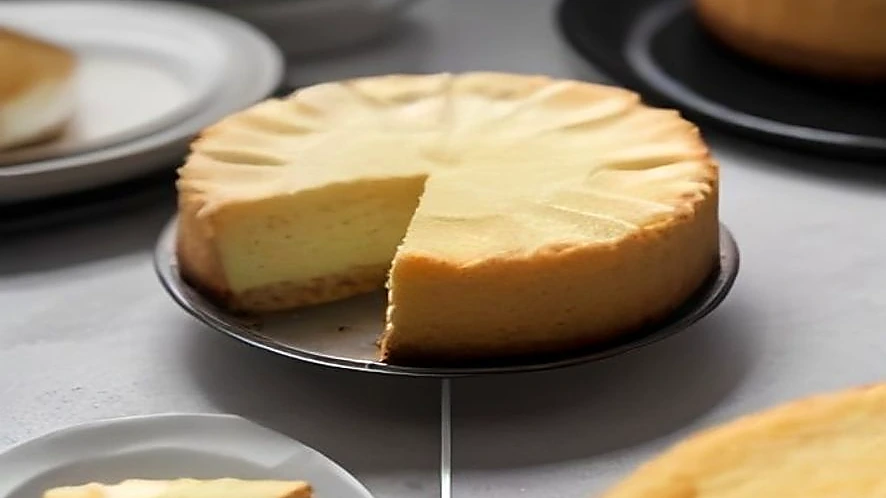
When it comes to cake release, the removable sides of springform pans allow for clean and easy removal of delicate cakes without damaging their structure. This is particularly beneficial for cheesecakes and mousse cakes, which are prone to cracking or crumbling if inverted. Cake pans require flipping or loosening the cake from the sides, which can be challenging for fragile desserts but works well for sturdier cakes like brownies or pound cakes.
Cleaning and maintenance differ between the two pan types. Cake pans are simpler to clean due to their solid construction, with no seams or latches to trap batter or grease. Springform pans require more meticulous cleaning around the latch and seams to prevent buildup, which can affect the pan’s performance and hygiene. Some bakers recommend hand washing springform pans to prolong their lifespan and maintain the effectiveness of the latch.
In practical terms, understanding these design and construction differences helps bakers select the appropriate pan for their recipe, ensuring optimal baking results and ease of use.
| Cake pan | Springform pan | |
|---|---|---|
| Construction | One-piece fixed sides and base | Two-piece with removable ring and base |
| Cake release method | Invert or loosen cake to remove | Release ring latch, lift sides off |
| Best cake types | Layer cakes, brownies, loaf cakes | Cheesecakes, delicate layered cakes, tarts |
| Leakage risk | Minimal, fully sealed edges | Possible seepage at latch if not sealed |
| Heat conduction | Even heat through solid walls and base | Slightly less uniform, seams can affect heat flow |
| Cleaning and maintenance | Simple, no seams or clamps | Need care around latch and seams to avoid buildup |
From My Kitchen
Once, I tried baking a dense cheesecake in a regular cake pan. I lined it with parchment, but when it came time to remove the cake, flipping it out caused the crust to crack and the surface to break. Switching to a 10 inch nonstick springform pan with a removable bottom fixed this issue. After baking, I simply unclamped the ring and lifted it away, leaving the cheesecake perfectly intact on the base. The latch mechanism and removable sides made all the difference for this fragile dessert.
Worth Considering
Best for cheesecakes and delicate bakes: FoxKnow 10 Inch Nonstick Springform Cheesecake Pan

This pan is suited for medium to large cheesecakes and delicately layered cakes that require careful removal. Its nonstick coating helps prevent sticking, and the removable bottom simplifies serving. It is less ideal for very runny batters unless sealed carefully, and cleaning around the latch can require extra attention.
Brand: Brand: FoxKnow · Price when checked: $14.99 · Rating: 4.5 out of 5 (334 ratings)
Pros
- Removable bottom and latch for easy cake release
- Nonstick coating reduces need for parchment
- 10 inch size fits standard recipes
Cons
- Potential for batter leakage at the latch
- More parts to clean than a single-piece pan
Best for small, even bakes: Vakoo 7 Inch Springform Pan with Honeycomb Base

This compact pan is great for small cheesecakes, mini desserts, and recipes requiring even heat distribution. Its heavy-duty carbon steel base with honeycomb texture promotes uniform baking. It’s less suited to large cakes or recipes needing a deep pan, and the small size limits batch size.
Brand: Vakoo · Price when checked: $9.89 · Rating: 4.6 out of 5 (1,701 ratings)
Pros
- Honeycomb base for even heat distribution
- Reinforced latch tested over 2,000 cycles
- Heat resistant up to 450°F (232°C)
Cons
- Limited to small batches due to 7 inch size
- Risk of leakage if not sealed well
When neither cake pan nor springform pan is best
Certain recipes demand baking vessels that neither cake pans nor springform pans handle well. For example, sticky or very runny batters like some molten lava cakes or custards benefit from silicone moulds or glass pans, which provide nonstick properties and better heat retention or transparency. Similarly, layered cakes with intricate shaping may require cake rings or moulds designed for specific layering and shaping, not just removable sides.
Additionally, for recipes that require very high heat or direct flame exposure, such as some tarts or artisan breads, ceramic or cast iron pans outperform both springform and standard cake pans. Choosing the right pan depends on the recipe’s texture, baking temperature, and how the final product will be unmoulded or served.
Related reading
- Baking sheet vs jelly roll pan: practical differences for home cooks
- Mastering Carbon Steel: An Expert’s In-Depth Guide to Proper Seasoning and Long-Term Pan Care
- Best Cutting Board Materials That Won’t Dull Your Knives
Frequently Asked Questions
Can I use a springform pan as a regular cake pan?
You can use a springform pan for many cakes, but it requires care to prevent batter from leaking through the latch seam, especially with thin batters. Springform pans are best for delicate bakes like cheesecakes that benefit from removable sides. For sturdier cakes, a regular cake pan is simpler and less prone to leaks.
Do I need to line or grease a springform pan?
Most springform pans have nonstick coatings, but greasing or lining with parchment paper is recommended to ensure clean release, especially for sticky or delicate cakes. The removable bottom can make it easier to lift out the cake once the ring is unclamped. Lining also helps prevent batter leaks.
Are springform pans oven safe at high temperatures?
Springform pans made from heavy-duty carbon steel, like the Vakoo model, are generally oven safe up to around 450°F (232°C). However, the latch and seal components may limit durability at very high temperatures or with prolonged exposure, so always check manufacturer guidelines to avoid warping or damage.
Related: Bundt pan vs tube pan: key differences that affect your baking

Rimi Sultana is a home cook from Bangladesh who has cooked for her family every day for the past five years and writes about it at Smart Cooks. Perpetually testing whether internet-famous recipes actually work in a regular home kitchen. Say hello on Facebook or through the contact page.