Choosing a good soda maker for sparkling water at home hinges on understanding how effectively and consistently it carbonates water. The core mechanism involves injecting pressurized CO2 into a sealed bottle of water, but design details like bottle compatibility, carbonation control, and CO2 canister integration significantly affect performance and ease of use.
Some links in this post are affiliate links. If you buy through them we may earn a small commission at no extra cost to you — it never changes which products we recommend.
Some soda makers distribute CO2 more uniformly by using higher pressure or better valve design, which influences bubble size and fizz retention. Others may offer convenience features like quick-release buttons or reusable bottles, but these can complicate maintenance or limit the type of liquids carbonated. Knowing these trade-offs helps separate a genuinely useful soda maker from one that just looks good on the shelf.
What actually matters
When evaluating soda makers for home use, it’s critical to focus on the technical aspects that impact carbonation quality, ease of use, and ongoing costs. Understanding these factors helps you avoid common pitfalls like inconsistent fizz, excessive maintenance, or high running costs.
Carbonation process and pressure control
The carbonation mechanism relies on injecting CO2 under pressure into water contained in a specially designed bottle. The ability to control pressure manually or automatically influences the strength and consistency of fizz. Without pressure regulation, you risk under- or over-carbonation, which respectively leads to flat water or excessive foaming and CO2 waste.
Most soda makers operate between 30 and 60 psi (pounds per square inch) during carbonation. Higher pressure typically produces finer bubbles and longer-lasting fizz, but too much pressure can cause safety concerns or bottle damage. Some premium models feature pressure sensors or feedback mechanisms that allow users to adjust carbonation levels precisely, enabling anywhere from lightly sparkling to highly effervescent water.
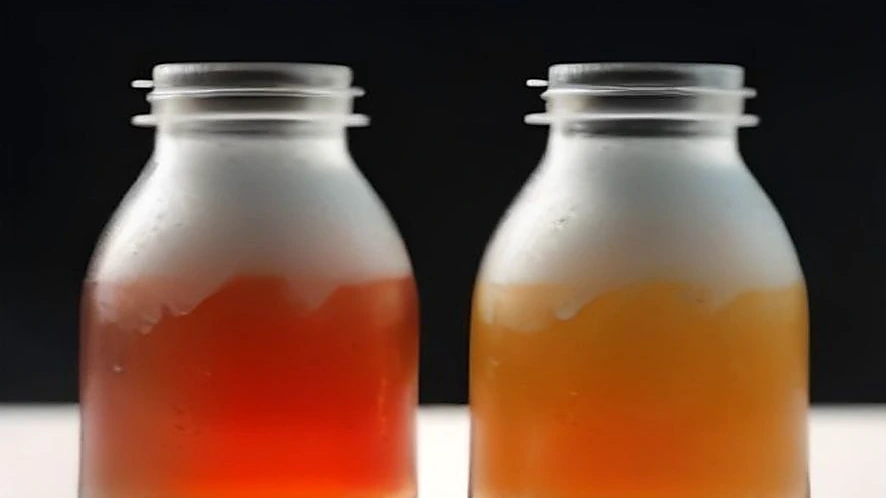
In addition, the carbonation duration and pulse control affect how CO2 dissolves. Pulsed carbonation—short bursts of CO2 injection with pauses—helps prevent foaming, especially when carbonating liquids with sugars or pulp. Continuous CO2 injection without control often results in rapid bubble formation and overflow. Therefore, understanding these mechanisms can help users achieve the desired carbonation without mess or waste.
Bottle compatibility and material
Soda makers require bottles designed to withstand the internal pressure generated during carbonation. These are often BPA-free plastic or glass with secure sealing caps. Plastic bottles are lighter and less fragile but can degrade over time, especially if exposed to heat or repeated stress. Typically, plastic bottles have a lifespan of about 1 to 2 years with regular use before they may develop cracks or lose sealing integrity.
Glass bottles offer better durability and taste neutrality but tend to be heavier and more expensive. They resist flavor transfer and do not degrade with heat, making them preferable for users concerned about taste and longevity. However, glass bottles require careful handling to avoid breakage and may add cost upfront. Some soda makers include glass bottles as premium accessories, while others only support plastic.
Bottle size also matters. Standard sizes range from 0.5 to 1 litre, with larger bottles offering fewer refills but more volume per carbonation cycle. Some compact soda makers limit bottle size options, which could affect user convenience depending on consumption habits. Additionally, bottle shape and neck design influence sealing effectiveness and carbonation uniformity. Bottles with wider necks may allow easier cleaning but can be harder to seal tightly, increasing CO2 loss risk.
CO2 canister type and replacement ease
Most soda makers use standard-sized CO2 canisters that screw into the machine. The size, refillability, and availability of these canisters impact running costs and convenience. A typical CO2 cylinder contains 60 litres of CO2 gas, sufficient to carbonate approximately 60 litres of water at moderate fizz levels. Usage frequency and carbonation intensity directly affect how long a canister lasts.
Some models allow easy canister swaps without tools, featuring quick-release mechanisms that minimize downtime. Others require unscrewing or partial disassembly, which can be inconvenient. Refillable canisters or exchange programs offered by manufacturers or third parties can reduce waste and cost but may require a bit of extra handling or travel to exchange locations.
It’s important to note that CO2 purity affects taste and carbonation quality. Food-grade CO2 is standard for soda makers to avoid off-flavors or contaminants. Users should ensure canisters are sourced from reputable suppliers and stored properly to maintain gas quality. Some premium models integrate CO2 level indicators or automatic shut-off features to prevent carbonation attempts with empty canisters, enhancing user experience and safety.
| Pick | Best for | Carbonation control | Watch out for |
|---|---|---|---|
| SodaStream Terra | Overall carbonation consistency | Manual button with pressure feedback | Plastic bottle longevity |
| Aarke Carbonator III | Premium design and glass bottle use | Lever-controlled manual carbonation | Higher price and heavier glass |
| FIZZpod Soda Maker | Starter kit | Manual button with adjustable pulses | Smaller brand than SodaStream |
| SMEG SKC01 Sparkling Water Maker | Glass bottle inclusion | 1-litre | Expensive |
| Airosia Stainless Steel Soda Maker | Budget-friendly entry | Stainless steel | Expensive |
| Mysoda Ruby 2 | Compact design for small kitchens | Lever mechanism | Limited bottle size options |
| My-Cap Soda Maker Machine | Newer alternative | Button control with preset modes | Very few reviews |
| FIZZpod Soda Maker Special Bundle | Value bundle with extras | Manual button | Basic carbonation control |
| Philips ADD4901 Sparkling Water Maker | Stylish design and colour options | 1-litre | Plastic bottles only |
| Philips Sparkling Water Maker | Big-brand option | 1-litre | Uses its own bottles |
From my kitchen
I once tried carbonating a fruit juice blend using a standard soda maker designed for water only, which led to excessive foaming and a messy countertop. Switching to a model designed to handle liquids beyond water, with pulsed button control, resolved the issue, preventing overflow and producing a balanced fizz. This episode highlighted the importance of matching your soda maker to the type of beverage you want to carbonate.
Additionally, I noticed that using a soda maker with pressure feedback allowed me to fine-tune the carbonation level to suit different tastes—lighter fizz for casual drinking and stronger carbonation for cocktails. This flexibility improved my overall satisfaction and reduced wasted CO2.
Over time, I also observed that plastic bottles exposed to warm kitchen conditions became slightly warped, affecting seal integrity and carbonation efficiency. Switching to glass bottles helped maintain consistent fizz and reduced the frequency of bottle replacements, though I had to handle them more carefully to avoid breakage.
Worth Considering
Best for consistent carbonation: SodaStream Terra

The Terra offers a reliable manual button with pressure feedback to help avoid over- or under-carbonation. Its plastic bottles are lightweight but may degrade faster with frequent use or exposure to heat. Not ideal if you want glass bottles or automatic carbonation.
Pros
- Consistent carbonation with manual control
- Standard CO2 canister compatibility
- Lightweight bottles
Cons
- Plastic bottles can wear out
- Limited carbonation customization
Best premium design and glass option: Aarke Carbonator III

This soda maker uses a lever mechanism for controlled carbonation and includes a glass bottle, which resists taste changes and lasts longer than plastic. Its build quality is excellent but comes with a heavier weight and higher price point, making it less suited for tight budgets or portability.
Pros
- Durable glass bottle
- Precise carbonation lever
- Stainless steel body
Cons
- Heavier and less portable
- Higher cost than plastic models
Best for starter kit: FIZZpod Soda Maker

A soda maker sold with three PET bottles, caps and a carbonator cap, so you can start making sparkling water straight away.
Price when checked: $54.99 · Rating: 4.3 out of 5 (147 ratings)
Pros
- Bottles included
- Simple manual operation
- Mid-range price
Cons
- Smaller brand than SodaStream
- Check CO2 cylinder compatibility before buying
Best glass bottle inclusion at midrange price: SMEG SKC01 Sparkling Water Maker

SMEG’s retro-styled sparkling water maker with a 1-litre reusable Tritan bottle.
Price when checked: $199.95 · Rating: 4.3 out of 5 (30 ratings)
Pros
- Distinctive design
- Reusable Tritan bottle
- Solid build
Cons
- Expensive
- Few reviews
Best budget-friendly entry: Airosia Stainless Steel Soda Maker

A 304 stainless steel soda maker marketed as able to carbonate drinks beyond plain water.
Price when checked: $168.88 · Rating: 4.6 out of 5 (42 ratings)
Pros
- Stainless steel body
- Carbonates other drinks
- High early ratings
Cons
- Expensive
- Few reviews
Best compact design: Mysoda Ruby 2

The Ruby 2’s lever mechanism and compact size make it a good choice for kitchens with limited counter space. It has fewer bottle size options, which could limit capacity for some users. Its metal finish suits modern kitchens but adds weight.
Pros
- Compact and stylish
- Lever carbonation control
- Sturdy metal construction
Cons
- Limited bottle size compatibility
- Heavier than plastic models
Best for newer alternative: My-Cap Soda Maker Machine

A sparkling water and soda maker from My-Cap, a smaller brand. Early reviews are positive, but there are only a handful so far.
Price when checked: $65.00 · Rating: 4.8 out of 5 (6 ratings)
Pros
- Makes sparkling water at home
- Positive early reviews
- Mid-range price
Cons
- Very few reviews
- Smaller brand support
Best value bundle: FIZZpod Soda Maker Special Bundle

The bundle includes extras at a competitive price, combining a manual carbonation button with the ability to carbonate drinks beyond water. Control is basic and foaming can be an issue with sugary liquids, so this suits users wanting versatility over precision.
Price when checked: $49.99 · Rating: 4.1 out of 5 (364 ratings)
Pros
- Good value with extras
- Carbonates various liquids
- Standard CO2 canister use
Cons
- Basic carbonation control
- Foaming with some drinks
Best stylish design and colour options: Philips ADD4901 Sparkling Water Maker

Another Philips sparkling water maker model, supplied with a 1-litre PET bottle.
Price when checked: $67.39 · Rating: 4.1 out of 5 (210 ratings)
Pros
- Philips build
- 1-litre bottle
- Well reviewed
Cons
- Plastic bottles only
- CO2 refills add cost
Best for big-brand option: Philips Sparkling Water Maker
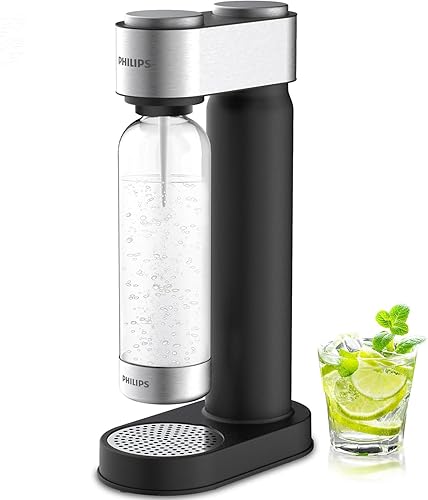
Philips’ sparkling water maker, supplied with a 1-litre BPA-free PET bottle, a mainstream alternative to SodaStream.
Price when checked: $57.81 · Rating: 4.0 out of 5 (1.2K ratings)
Pros
- Philips build
- BPA-free bottle
- Well reviewed
Cons
- Uses its own bottles
- CO2 refills add running cost
Choosing the right soda maker for your needs
Understanding your priorities is key. If you want simple sparkling water with minimal fuss, models like SodaStream Terra or E-TERRA offer reliability and ease at a modest price. For those who value design and durability, machines with glass bottles like the Aarke Carbonator III or SMEG SKC01 Sparkling Water Maker are worthwhile.
If you intend to carbonate beverages beyond water, such as juices or cocktails, select a soda maker designed to handle foaming liquids, like the FIZZpod Soda Maker. Be aware these require more cleaning and careful control to avoid messes.
Users who want advanced features such as electric carbonation control, preset modes, or dual still and sparkling functions should consider pricier, more complex machines like the My-Cap Soda Maker Machine or Philips Sparkling Water Maker. These are less suited to small kitchens or users who prefer straightforward operation.
When factoring in costs, consider not only the initial price but also ongoing expenses like CO2 canister replacement and bottle longevity. For example, frequent use with high carbonation settings can shorten canister life to less than 50 litres of carbonated water per cylinder, increasing running costs. Similarly, plastic bottles may need replacement every 12-18 months, while glass bottles can last several years if handled carefully.
Finally, kitchen space and aesthetics play a role. Compact machines like the Mysoda Ruby 2 save counter space but may limit bottle size options. Premium designs such as the Aarke Carbonator III offer a stylish look that complements modern kitchens but come at a premium price point. Balancing these factors with your carbonation needs will help you select the best soda maker for your home.
Related reading
- 7 Best Fruit & Cider Presses in 2026 (The Crusher Is Half the Machine)
- Best Home Water Carbonator Systems: Top SodaStream Alternatives
- Best Instant Pot Accessories for Baking Cheesecake
Frequently Asked Questions
Can I carbonate liquids other than water with any soda maker?
Most soda makers are designed specifically for carbonating cold water. Carbonating sugary or pulpy liquids increases foaming, which can cause overflow or damage the machine. Some models like FIZZpod Soda Maker are designed to handle other beverages by using manual carbonation control to reduce foaming risk. Always check manufacturer guidelines to avoid damage.
How often do I need to replace the CO2 canisters?
CO2 canister lifespan varies depending on frequency of use and carbonation intensity. On average, a standard 60L CO2 cylinder will carbonate around 60 litres of water before needing replacement. Some machines use smaller or larger canisters, affecting run time. Many brands offer exchange or refill programs to simplify replacement.
Are glass bottles better than plastic ones for soda makers?
Glass bottles resist flavour transfer and can last longer without warping or degrading, making them preferable for taste and durability. However, they are heavier and prone to breakage compared to plastic. Plastic bottles are lighter and less expensive but can absorb odours or degrade with heat and time. Your choice depends on budget, care willingness, and taste preferences.

Rimi Sultana is a home cook from Bangladesh who has cooked for her family every day for the past five years and writes about it at Smart Cooks. Perpetually testing whether internet-famous recipes actually work in a regular home kitchen. Say hello on Facebook or through the contact page.