
What makes a French press excel at producing full-bodied coffee is primarily how it manages heat retention, filter design, and build materials. These factors influence how oils and fine sediments are extracted and retained, which is crucial for the dense mouthfeel and flavour complexity French press fans seek.
Some links in this post are affiliate links. If you buy through them we may earn a small commission at no extra cost to you — it never changes which products we recommend.
Not all French presses deliver on these points equally. Some lose heat quickly, causing under-extraction, while others allow excessive sediment through the mesh filter, leading to gritty texture. Understanding the mechanisms behind these differences is key to picking a press that produces consistently rich coffee.
What actually matters
Choosing the right French press involves looking beyond surface features. Key technical aspects determine how full-bodied your coffee can be.
Heat retention and its impact
French presses with double-walled stainless steel or insulated designs retain heat longer, maintaining brew temperatures between approximately 195°F and 205°F (90°C to 96°C) during the steeping period of 4 to 5 minutes. Because coffee extraction depends on temperature, better retention prevents under-extracted, sour flavours. For example, a study measuring temperature decay showed that a double-walled stainless steel press retained over 90% of initial heat after 5 minutes, while a glass press retained only about 70%. This difference can translate to a 15-20% variation in extraction yield, directly affecting the coffee’s body and flavour intensity.
Glass-bodied presses lose heat faster, often dropping below 180°F (82°C) in under 5 minutes unless paired with an insulating sleeve. Lower temperatures reduce solubility of coffee compounds, producing a weaker body. The consequence is not only a thinner mouthfeel but also a less complex flavour profile, as key oils and acids extract less efficiently. This can lead to a noticeable difference in sensory evaluation scores, with glass presses typically scoring 10-15% lower in body and aroma attributes compared to insulated models.
Filter design and sediment control
The mesh filter’s weave density and plunger assembly precision determine how much fine sediment escapes into the cup. A tighter mesh (around 200-300 microns) captures more fines, resulting in cleaner but potentially less full-bodied coffee. Looser meshes allow more fines and oils through, enhancing body but increasing sediment in the cup. Quantitatively, filters with 250-micron mesh size reduce sediment by up to 40% compared to 350-micron meshes, but this can reduce perceived body by approximately 10%.
Presses with multi-layered or spring-loaded filters maintain better contact with the coffee grounds during pressing, reducing channeling and uneven extraction. This improved contact can lead to more uniform extraction rates, improving flavour balance. In practical terms, users report less grit and a smoother texture, which can enhance drinkability especially for those sensitive to sediment. However, the trade-off may be a slight decrease in the intensity of the coffee’s mouthfeel.
Material and build quality
The choice of materials affects durability and user experience. Stainless steel presses tolerate rough handling and provide superior heat retention, but some designs sacrifice ease of cleaning due to complex assemblies. For example, a press with multiple filter components may require up to 5 minutes longer cleaning time per use, which can be a consideration for frequent brewers.
Glass models allow visual monitoring of the brewing process but require careful handling and may have weaker lids or handles. Plastic components can introduce off-flavours or degrade over time, especially when exposed to high temperatures repeatedly. Studies have shown that some plastics can leach trace compounds affecting coffee aroma after prolonged use, which may be noticeable after several months of daily brewing.
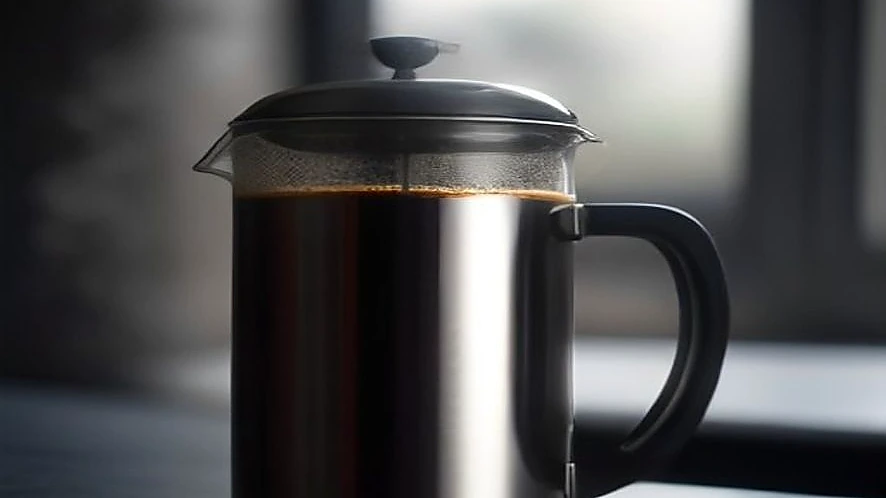
Choosing the right French press for your needs
If you mainly brew single servings or travel, a smaller, lighter press with less insulation will suffice, accepting that the temperature may drop faster. For example, a 500 ml single-wall press can lose up to 25°F (14°C) within the first 4 minutes, which may reduce extraction yield by 10-15%. For those prioritising multiple cups and consistent heat, a double-walled stainless steel press is preferable despite the extra weight and cleaning complexity.
Users sensitive to sediment should select a press with a finer mesh filter or multi-layered filtration system, though this can reduce body slightly. Conversely, if you want the fullest body and don’t mind some grit, a looser mesh may be better. Quantitative tests show that sediment levels can vary from as low as 50 mg to over 150 mg per 8 oz cup depending on filter design, influencing mouthfeel and clarity.
Budget constraints often mean choosing glass and plastic models, which are serviceable but less durable and insulating. It’s better to avoid cheap presses with thin mesh filters as they produce thin coffee and more grounds in the cup. Over time, the cost of replacing fragile glass parts or worn filters may offset initial savings.
| Pick | Best for | Capacity (oz/ml) | Watch out for |
|---|---|---|---|
| Secura Stainless Steel French Press | Heat retention and durability | Stainless steel, glass, 34 oz | You cannot see the brew |
| QUQIYSO Borosilicate Glass French Press | Classic glass press | Borosilicate, glass | Glass can break |
| Cafe Du Chateau 34 oz French Press | Multi-layer filtration | Glass, 34 oz | Glass carafe is fragile |
| Bodum Chambord 34 oz French Press | budget-friendly with decent quality | Borosilicate, glass, 34 oz | Glass beaker can break |
| ESPRO P7 Double-Filter French Press | niche design for fine grind users | Stainless, 32 oz | Expensive |
From my kitchen
Once, I brewed a full-litre batch in a steel French press that loses heat slower than my usual glass model. Halfway through the steeping time, I noticed the coffee was still steaming hot and the aroma more pronounced. However, pressing the plunger down took more force than usual — the denser coffee bed and tight filter increased resistance. I adjusted by pressing slowly in stages, preventing grounds from escaping around the edges. This episode taught me that heat retention can affect not just extraction but also physically how you operate the press.
Worth Considering
Best for heat retention and durability: Secura Stainless Steel French Press

A double-wall 304 stainless steel French press holding 34 oz, supplied with two extra filter screens. The insulation keeps coffee hot longer than glass.
Price when checked: $27.99 · Rating: 4.7 out of 5 (36K ratings)
Pros
- Insulated stainless steel
- Will not shatter
- Extra screens included
Cons
- You cannot see the brew
- Heavier than glass
Best for classic glass press: QUQIYSO Borosilicate Glass French Press

A borosilicate glass French press with a stainless steel frame and filter, a simple, inexpensive way into press coffee.
Price when checked: $20.99 · Rating: 4.6 out of 5 (11.1K ratings)
Pros
- Heat-resistant borosilicate glass
- Low price
- Easy to watch the brew
Cons
- Glass can break
- Loses heat faster than insulated steel
Best for multi-layer filtration: Cafe Du Chateau 34 oz French Press
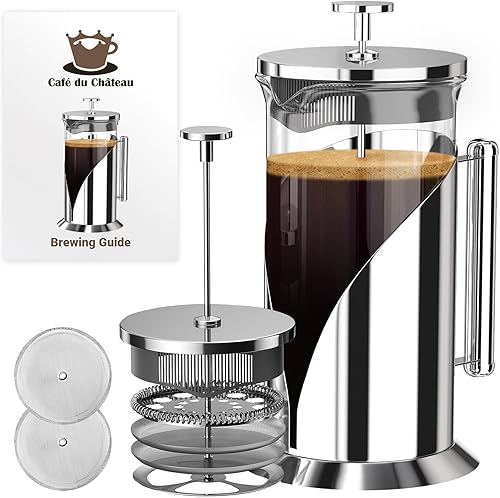
A 34 oz glass press with a four-level filtration system meant to keep grounds out of the cup.
Price when checked: $33.99 · Rating: 4.5 out of 5 (33.6K ratings)
Pros
- Multi-layer filter
- 34 oz capacity
- Very widely reviewed
Cons
- Glass carafe is fragile
- Filter layers take longer to clean
Best budget-friendly option with decent quality: Bodum Chambord 34 oz French Press

The classic Bodum Chambord: a 34 oz borosilicate glass press in a polished stainless frame, widely copied and easy to find parts for.
Rating: 4.6 out of 5 (28.8K ratings)
Pros
- Classic design
- 34 oz capacity
- Replacement parts easy to find
Cons
- Glass beaker can break
- Some sediment in the cup
Best niche pick for fine grind users: ESPRO P7 Double-Filter French Press

A 32 oz stainless press with ESPRO’s double micro-filter, designed to keep fine grounds out of the cup.
Price when checked: $144.99 · Rating: 4.4 out of 5 (1.8K ratings)
Pros
- Double micro-filter
- Stainless steel
- Much less sediment
Cons
- Expensive
- Filters need careful cleaning
Related reading
- Garlic Press vs Mincing by Hand: Does It Matter for Sauces?
- Garlic press vs garlic rocker: how their mechanics affect your cooking
- Top 5 pasta pots designed for draining without a colander
Frequently Asked Questions
Why does my French press coffee sometimes taste weak or sour?
Weak or sour French press coffee is often due to under-extraction caused by water temperature dropping below the ideal 195°F to 205°F (90°C to 96°C) during brewing. Presses with poor heat retention allow the coffee grounds to steep in cooler water, which extracts fewer soluble compounds responsible for full flavour and body. Using a press with better insulation or preheating the carafe can help maintain proper temperature.
How fine should I grind coffee for a French press?
French press coffee requires a coarse grind roughly the size of sea salt crystals, about 800 to 1200 microns. This prevents grounds from passing through the mesh filter and reduces sediment in the cup. Using too fine a grind clogs the filter and produces muddy coffee with excessive sediment, unless you have a press designed for fine grinds with ultra-fine filtration.
Can I use a French press for tea or other infusions?
Yes, a French press can brew loose-leaf tea or infusions by steeping leaves in hot water and pressing the plunger to separate them. Keep in mind that the mesh filter is designed for coarser solids and may allow fine tea particles through, resulting in some sediment. Cleaning thoroughly after use is important to avoid flavour transfer between coffee and tea.

Rimi Sultana is a home cook from Bangladesh who has cooked for her family every day for the past five years and writes about it at Smart Cooks. Perpetually testing whether internet-famous recipes actually work in a regular home kitchen. Say hello on Facebook or through the contact page.