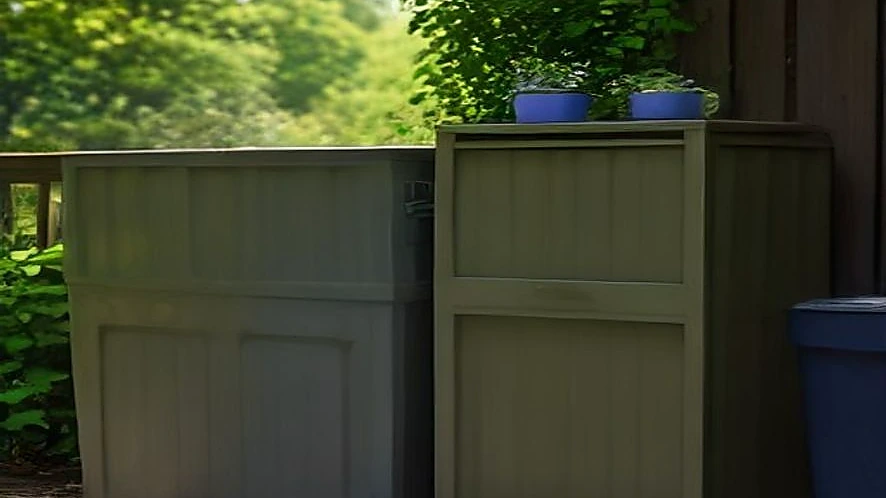
Compost bins and worm bins both turn organic kitchen and garden waste into nutrient-rich matter, but they do so through fundamentally different biological processes and practical setups. The choice between them depends on how quickly you want results, what types of waste you produce, and how much effort you are willing to invest in managing the system.
While a compost bin relies on aerobic decomposition by a variety of microorganisms breaking down waste at varying temperatures, worm bins depend on specific species of earthworms consuming and processing waste directly. These differences affect the type of input, maintenance needs, output quality, and ideal placement within your home or garden.
Where each one wins
Compost bins are best for those who produce a large volume of varied organic waste, including tougher materials like woody garden trimmings. The heat generated helps sanitise the compost and speeds up decomposition if managed properly. This makes them suitable for outdoor spaces with enough room and for gardeners who want to process waste in bulk over a few months.
The decomposition process in compost bins involves a succession of microbial communities, including bacteria and fungi, that thrive at different temperature ranges. During the thermophilic phase, temperatures can reach between 110°F and 160°F (43°C to 71°C), which accelerates the breakdown of complex organic compounds such as lignin and cellulose found in woody materials. This heat also kills many pathogens and weed seeds, resulting in a safe and stable end product. Proper aeration by turning the pile every 1–2 weeks ensures oxygen supply, preventing anaerobic conditions that cause odours and slow decomposition.
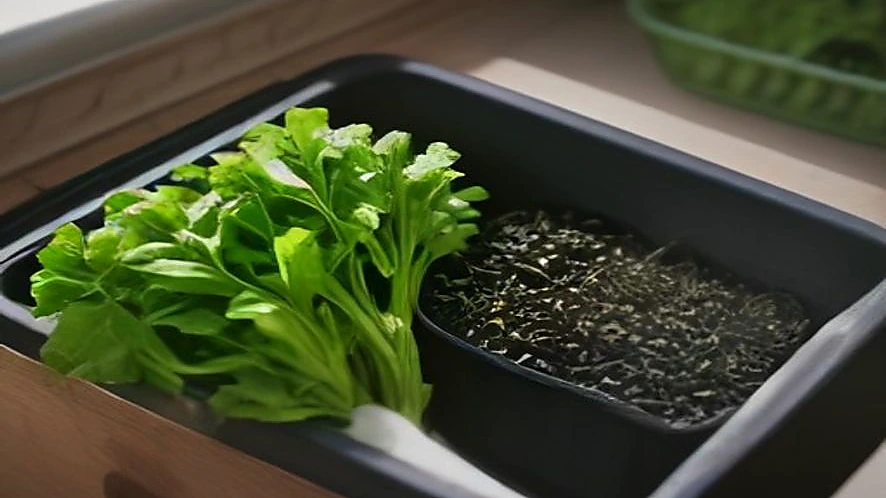
Worm bins excel in smaller spaces and indoor environments due to their compact size and lower odour profile. They are ideal for households primarily disposing of kitchen vegetable scraps and coffee grounds. The vermicompost produced is finely textured and rich in nutrients, excellent for potted plants and garden beds. Worm bins require more regular feeding and monitoring but reward with a higher quality product faster in appropriate conditions.
The key players in worm bins are red wiggler worms (Eisenia fetida), which consume organic waste and excrete nutrient-dense castings known as vermicast. Unlike compost bins, worm bins operate best at moderate temperatures between 55°F and 77°F (13°C to 25°C) and are sensitive to overheating, which can cause worm mortality. Maintaining moisture levels around 70–85% is critical to worm health; too dry and worms become inactive, too wet and they risk drowning or developing anaerobic conditions. Feeding frequency is typically every few days or weekly, depending on waste volume and worm population. The vermicompost produced contains higher concentrations of nitrogen, phosphorus, and potassium compared to traditional compost, along with beneficial microbes that promote plant growth.
In terms of output speed, compost bins generally take 2 to 6 months to produce finished compost, depending on factors like temperature, moisture, aeration, and feedstock composition. Worm bins typically produce mature vermicompost in 3 to 4 months, but this can vary with worm population density and environmental conditions. The smaller scale and lower heat generation in worm bins mean decomposition is slower for tougher materials, so inputs should be limited to soft, non-citrus vegetable scraps and avoid meat, dairy, or oily foods that could harm worms or attract pests.
Overall, the choice between compost and worm bins hinges on your waste volume, space availability, and how hands-on you want to be. Compost bins are robust systems suited for larger quantities and outdoor use, while worm bins offer a compact, odour-controlled solution ideal for indoor environments and smaller kitchens.
Understanding the environmental and practical impacts
The environmental benefits of both compost and worm bins are significant, as they divert organic waste from landfills where it would generate methane, a potent greenhouse gas. Composting and vermicomposting reduce landfill burden and produce valuable soil amendments that improve soil structure, water retention, and nutrient availability. Studies show that applying vermicompost can enhance plant growth by up to 30% compared to unamended soil, due to its rich microbial community and balanced nutrient profile.
From a practical standpoint, managing a compost bin requires attention to balancing carbon-rich ‘browns’ (like dry leaves and paper) with nitrogen-rich ‘greens’ (like kitchen scraps and fresh grass clippings). A carbon-to-nitrogen ratio of about 30:1 is optimal for microbial activity. Imbalances can lead to slow decomposition or odour problems. Compost bins also require space and occasional turning to maintain aerobic conditions. For example, a typical household compost pile might measure 3 feet by 3 feet by 3 feet to maintain sufficient heat and microbial activity.
Worm bins, while smaller, require consistent feeding and environmental control. Overfeeding can lead to odours and pest attraction, while underfeeding can starve worms and slow processing. Moisture levels must be carefully maintained, often by adding damp bedding materials like shredded newspaper or cardboard. Worm bins usually need to be kept in temperatures between 55°F and 77°F to keep worms active; temperatures above 80°F (27°C) can stress or kill them. The worm population can double roughly every 60 days under optimal conditions, increasing processing capacity over time.
Both systems produce outputs that improve soil health, but vermicompost is often considered superior for sensitive plants and seedlings due to its fine texture and higher microbial diversity. Traditional compost is bulkier and may contain larger particles, requiring screening before use in delicate applications. The choice of system can also affect gardening practices; for instance, vermicompost can be used as a nutrient-rich top dressing or mixed into potting mixes, while compost is commonly applied as a soil amendment in garden beds.
In terms of costs, compost bins are generally low-tech and inexpensive, requiring minimal equipment beyond a bin and a pitchfork or aerator. Worm bins may involve purchasing worms and bedding materials initially, as well as more frequent monitoring and maintenance. However, the higher nutrient density and faster nutrient availability in vermicompost can offset these efforts for gardeners seeking quick, high-quality amendments.
Ultimately, understanding the mechanisms, maintenance requirements, and environmental impacts of compost and worm bins allows home gardeners to select the system that best fits their waste streams, space constraints, and gardening goals.
| Attribute | Compost bin | Worm bin |
|---|---|---|
| Decomposition mechanism | Aerobic microbes break down organic matter, generating heat | Red wiggler worms consume waste, producing vermicast without heat |
| Preferred temperature range | 110°F–160°F (43°C–71°C) during active phases | 55°F–77°F (13°C–25°C), sensitive to overheating |
| Types of waste accepted | Vegetable scraps, garden trimmings, coffee grounds, paper; resistant to tougher, woody material | Soft, non-citrus vegetable scraps, fruit peels, coffee grounds; avoid meat, dairy, oily foods |
| Maintenance required | Turning or aerating every 1–2 weeks to supply oxygen and balance moisture | Feeding every few days or weekly; monitoring moisture and worm health |
| Output speed | 2 to 6 months depending on conditions and management | Typically 3 to 4 months for mature vermicompost |
| Space and location | Can be larger and outdoor; some models suitable for patios | Compact, often indoor or sheltered outdoor units |
From My Kitchen
Once, I tried starting a worm bin in late summer without paying close attention to the temperature. The ambient heat pushed the bin over 80°F (27°C), stressing the worms and slowing their activity. The bin produced a sour smell as the worms struggled and microbial balance shifted. To fix this, I moved the bin into a shaded, cooler spot and added damp cardboard as bedding to regulate moisture and temperature. Within a week, the worms recovered, and decomposition resumed steadily. This experience taught me how sensitive worm bins are to environmental conditions compared to compost bins, which can handle a wider temperature range due to their microbial heat generation.
When neither compost bins nor worm bins are the right answer
If you have very little outdoor space, or need an instant solution for disposing of food waste without any maintenance, neither compost bins nor worm bins may suit your needs. Electric food waste disposers or municipal organic waste collection services can be more practical. Additionally, if you produce large quantities of meat, dairy, or oily waste, both systems struggle because these materials attract pests or are slow to break down. In such cases, specialised bokashi fermenters or commercial composting services are better equipped to handle diverse waste streams safely and efficiently.
Related reading
- 7 Best Fruit & Cider Presses in 2026 (The Crusher Is Half the Machine)
- Quick & Easy Chicken Pot Pie Recipe (Foolproof!)
- Soup Recipes Abiotic Factors
Frequently Asked Questions
Can I mix kitchen scraps in a compost bin with worms to speed up the process?
Adding worms to a traditional hot compost bin is generally ineffective because the high temperatures (up to 160°F or 71°C) will kill them. Worm bins operate best at cooler temperatures. If you want both benefits, maintain separate systems or create a cold compost pile where worms can survive and assist decomposition without heat stress.
What common problems should I expect with worm bins compared to compost bins?
Worm bins often face issues like overfeeding, which causes odours and attracts pests, moisture imbalance leading to drowning or drying worms, and temperature sensitivity. Compost bins can have problems with insufficient aeration causing anaerobic conditions and bad smells, or piles that take too long to break down due to poor moisture or carbon-to-nitrogen ratio. Monitoring these factors regularly prevents both systems from becoming problematic.
Is the compost from worm bins better than regular compost?
Vermicompost tends to be richer in nutrients like nitrogen, phosphorus, and potassium and contains beneficial microbes that improve soil health. Its fine texture makes it easier to mix into potting soil or garden beds. Traditional compost can also be nutrient-dense but varies more depending on feedstock and management. Both improve soil structure and fertility, but vermicompost is often preferred for sensitive plants and seedlings.

Rimi Sultana is a home cook from Bangladesh who has cooked for her family every day for the past five years and writes about it at Smart Cooks. Perpetually testing whether internet-famous recipes actually work in a regular home kitchen. Say hello on Facebook or through the contact page.