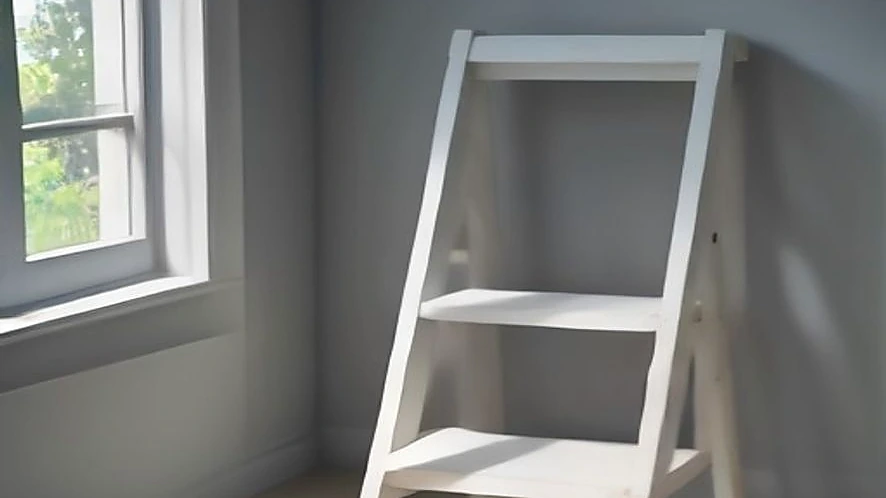
Step stools and ladders are often confused because they both serve the purpose of helping you reach higher places. However, their design, height capabilities, and typical applications differ significantly. Understanding these differences helps avoid choosing the wrong tool for your task or risking safety.
Some links in this post are affiliate links. If you buy through them we may earn a small commission at no extra cost to you — it never changes which products we recommend.
This comparison looks beyond marketing claims to explain how the construction and intended use of each affect performance. Whether you need a compact step stool for kitchen shelves or a taller ladder for garage maintenance, the right choice depends on your specific needs and the environment where you’ll use it.
Where each one wins
Step stools are best when you need quick, stable access to low-height areas. Their wide, flat steps and compact size make them ideal for indoor use in kitchens, closets, or offices. The limited height means falls are less severe, and their low weight makes them easy to carry around. They are also convenient for people who want a stable platform for short tasks without the hassle of unfolding a large ladder.
The design of step stools typically involves a sturdy frame with a broad base to prevent tipping. Most step stools offer a maximum height of 12 to 24 inches (30 to 61 cm), which is sufficient for reaching upper kitchen cabinets or changing light bulbs in low fixtures. Because the steps are wide—approximately 7.8 x 12 inches (20 x 30 cm)—users can maintain balance effectively, reducing the risk of slips. Weight capacities often max out around 330 lbs (150 kg), making them suitable for most household users.
Ladders excel when you need to reach heights beyond what a step stool can safely provide. Their multiple steps and taller frames allow access to ceilings, high shelves, and exterior home projects. While they require more careful setup and caution due to increased height and narrower steps, they provide the reach that step stools cannot. Ladders are better suited for garage work, painting, or repairs where more vertical space is needed.
Typical household step ladders range from 3 to 6 steps, offering heights between 24 to 72 inches (61 to 183 cm) or more. This extended height allows users to safely reach ceiling fixtures, upper shelves, or exterior walls. However, the narrower step surface compared to step stools means users must pay closer attention to footing. Locking hinges and slip-resistant feet are critical safety features to prevent accidental collapse and slipping, especially given the higher fall risk. Weight capacity can vary widely, with heavy-duty models supporting well over 330 lbs (150 kg), accommodating users carrying tools or equipment.
Using a ladder also involves understanding setup and environmental factors. For example, placing a ladder on uneven ground without additional support can lead to instability. Moreover, the bulkier size and heavier weight compared to step stools can make ladders less convenient for quick tasks. Therefore, the choice between a step stool and ladder should consider not only height needs but also the nature and duration of the task.
Safety and practical considerations
Safety is a paramount concern when choosing between a step stool and a ladder. The lower height of step stools inherently reduces the severity of potential falls, making them safer for quick, low-level tasks. Their wide steps and compact design contribute to stability, and many models fold flat to facilitate easy storage and portability. However, users should still ensure the stool is placed on a flat, non-slip surface to prevent accidents.
Ladders, while providing greater reach, come with increased safety risks due to their height and step configuration. The risk of falls increases significantly above 6 feet (183 cm), which is beyond the reach of most household step ladders. To mitigate these risks, ladders are equipped with locking mechanisms to secure the frame, slip-resistant feet to prevent sliding, and wide steps with anti-slip surfaces to improve footing. Users must also be trained or familiar with proper ladder setup, including ensuring the ladder is fully opened and locked before use, and that it is positioned at the correct angle if it is an extension ladder.
The consequences of improper ladder use can be severe. Falls from ladders are a common cause of home injuries, often resulting in fractures, sprains, or head injuries. According to the U.S. Consumer Product Safety Commission, more than 500,000 ladder-related injuries occur annually in the United States alone, with a significant portion happening during home use. These statistics underscore the importance of selecting the right equipment for the task and adhering to safety guidelines.
In terms of maintenance, both step stools and ladders require regular inspection to ensure safe operation. Users should check for cracked or bent steps, loose screws or bolts, and worn or missing non-slip feet. Cleaning steps and feet to remove grease or dirt will maintain grip and reduce slip hazards. Storing these tools in dry environments prevents corrosion, especially for metal components, which can compromise structural integrity over time.
Portability and storage are also practical factors influencing choice. Step stools generally weigh less and fold to a thickness of about 2 inches (5 cm), making them easy to carry and store in tight spaces such as kitchen cabinets or closets. Ladders, by contrast, are heavier and bulkier, requiring more storage space. For example, a three-step ladder may fold to dimensions around 16.3 x 2.2 x 35.4 inches, which can be cumbersome in smaller homes. This consideration is important for users who need to move their equipment frequently or have limited storage options.
| Attribute | Step Stool | Step Ladder |
|---|---|---|
| Typical maximum height | 1 to 2 steps, typically 12 to 24 inches (30 to 61 cm) | Multiple steps, often 3 to 6 steps, 24 to 72 inches (61 to 183 cm) or more |
| Step surface size | Wide platform, approximately 7.8 x 12 inches (20 x 30 cm) for stable footing | Narrower steps, around 7.8 x 12 inches but arranged vertically with less standing space |
| Weight capacity | Often 330 lbs (150 kg) or less, depending on build | Varies widely, can exceed 330 lbs (150 kg) with heavy-duty models |
| Portability and storage | Lightweight, compact, folds flat to about 2 inches (5 cm) thickness | Heavier, bulkier, folds but thicker and longer when stored |
| Use cases | Low reach tasks like kitchen shelves, closets, or bedside seating | Higher reach tasks such as painting walls, accessing high shelves, or outdoor maintenance |
| Safety considerations | Lower fall risk due to limited height and wide steps | Higher fall risk requires locking mechanisms and careful setup |
From My Kitchen
Once I tried using a three-step ladder to reach a high kitchen cabinet, assuming it would be similar to my usual step stool. The ladder was heavier and took more time to unfold and stabilize. I underestimated how narrow the steps felt, which made me less confident standing on it. After a minute, I switched to a two-step stool with wider steps and a lower height to finish the task safely. This experience highlighted that for quick kitchen access, the step stool’s design made the job faster and less risky.
This personal experience underscores the practical differences between these tools. For quick, low-level tasks, the ease of setup and stability of a step stool can save time and reduce stress. Conversely, using a ladder for such tasks can introduce unnecessary complexity and safety concerns. Understanding these nuances helps in selecting the right equipment for each home project.
Worth Considering
Best for quick, stable low reach: Valeo 2 Step Ladder

This two-step ladder combines a sturdy iron frame with wide anti-slip pedals, offering a stable platform for tasks under 17 inches (42 cm). It weighs lightly and folds flat for storage, making it a practical choice for kitchens, closets, or garages. It is not suitable for tasks requiring higher reach or prolonged standing due to limited height.
Brand: Valeo · Price when checked: $31.09 · Rating: 4.6 out of 5 (2,135 ratings)
Pros
- Wide 7.8 x 12 inch steps with anti-slip ridges
- Supports up to 330 lbs (150 kg)
- Compact folded size (16 x 2.1 x 25 inches)
Cons
- Maximum height is 16.7 inches (42.4 cm), limiting reach
- Iron metal frame can be heavier than aluminium alternatives
Best for higher reach at home: Valeo 3 Step Ladder

This three-step ladder offers an additional step for a top reach of about 33 inches (84 cm). It keeps the same wide anti-slip step design and weight capacity as the 2-step model but adds height for accessing upper shelves or light maintenance. It is bulkier to store and less convenient for quick in-and-out tasks.
Brand: Valeo · Price when checked: $43.99 · Rating: 4.5 out of 5 (2,135 ratings)
Pros
- Extra step increases maximum height to 33 inches (84 cm)
- Wide anti-slip steps of 7.8 x 12 inches
- Supports up to 330 lbs (150 kg)
Cons
- Folded size is larger (16.3 x 2.2 x 35.4 inches), less portable
- Heavier and more cumbersome for quick indoor use
When neither a step stool nor a ladder is the right tool
If your task demands reach beyond about 6 feet (183 cm) or involves uneven ground, neither a step stool nor a household step ladder is sufficient. Extension ladders or specialised scaffolding provide better height and stability for professional or exterior work. Likewise, if you need to carry heavy tools while elevated, conventional ladders may lack adequate support or platforms.
For individuals with balance issues or mobility limitations, alternatives like permanent built-in steps or platform lifts offer safer options. Always assess the environment, height, load, and duration of use before choosing a step stool or ladder. Incorrect selection can lead to falls or inefficient work.
Related reading
- Soup Recipes Abiotic Factors
- Do You Actually Need Pie Weights?
- Best 10 Copper Kitchen Products You Need
Frequently Asked Questions
Can I use a step stool instead of a ladder for painting walls?
Step stools are generally too low for painting walls unless you only need to reach a few inches above your height. For most wall painting tasks, a ladder with multiple steps is safer and more effective because it provides greater height and a stable platform. Using a step stool beyond its intended height can increase the risk of falls.
What safety features should I look for in a step ladder?
Key safety features include locking hinges that prevent accidental collapse, slip-resistant feet to prevent sliding on smooth floors, and wide, non-slip steps for secure footing. The ladder’s weight capacity should exceed your body weight plus any tools you carry. Ensure the ladder’s height suits the task to avoid overreaching, which compromises stability.
How do I maintain a step stool or ladder for safe use?
Regularly inspect for damage like cracked steps, loose screws, or bent frames. Clean dirt or grease from steps and feet to maintain grip. Store in a dry place to prevent rust or corrosion on metal parts. Avoid using if any locking mechanisms or structural parts are compromised, as this reduces stability and safety.

Rimi Sultana is a home cook from Bangladesh who has cooked for her family every day for the past five years and writes about it at Smart Cooks. Perpetually testing whether internet-famous recipes actually work in a regular home kitchen. Say hello on Facebook or through the contact page.