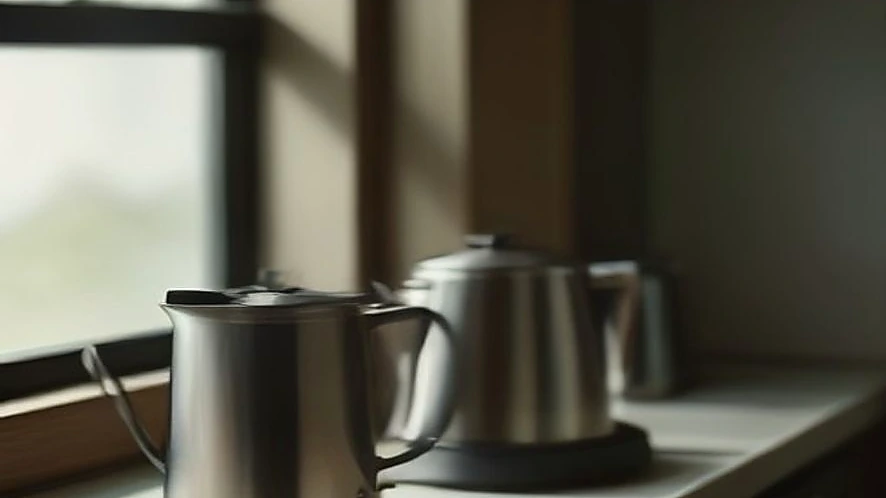
Electric kettles and stovetop kettles perform the same basic task: heating water for tea, coffee, or cooking. However, the way they generate heat, how quickly they reach boiling point, and the convenience they offer differ substantially. These differences affect how they fit into your kitchen routine and what trade-offs you accept.
Some links in this post are affiliate links. If you buy through them we may earn a small commission at no extra cost to you — it never changes which products we recommend.
While many reviews focus on surface features or brand claims, understanding the construction and heating mechanisms clarifies why one might suit your needs better than the other. This comparison dives into those details, covering heat source mechanics, material impacts, usability, and real-world performance.
Where each one wins
Electric kettles excel at speed and convenience. Because the heating element is in direct contact with the water and powered by electricity, they reach boiling temperature quickly and switch off automatically. This suits anyone who values fast hot water for tea or coffee without needing to watch a stove.
The heating element in an electric kettle typically ranges from 1500 to 3000 watts, which allows it to bring 1 litre of water to a boil in about 3 to 4 minutes. This efficiency is due to the direct transfer of heat from the element to the water, minimizing energy loss. The automatic shutoff feature relies on a temperature sensor that detects when the water reaches 100°C (212°F), providing safety and convenience by preventing overheating or boiling dry.
Stovetop kettles shine in simplicity and durability. Their design is straightforward, with fewer electronic components that might fail. They work with any heat source, including gas, electric coil, induction (if compatible), or even open flames outdoors. The whistle feature provides an audible alert without electricity.
The time to boil water in a stovetop kettle varies significantly depending on the heat source and kettle design but generally ranges from 5 to 10 minutes for 1 litre. The heat must transfer from the stove burner through the kettle base and body to the water, which involves more steps and potential heat loss compared to electric kettles. The whistle mechanism operates by steam passing through a narrow opening, creating a sound that signals boiling, which is particularly useful when multitasking in the kitchen.
If you want a kettle that doubles as a kitchen aesthetic statement and don’t mind waiting a little longer or monitoring the stove, a stovetop kettle fits. For households with regular power outages or limited bench space, stovetop kettles are reliable companions.
Conversely, if your routine demands speed and hands-off operation, an electric kettle is the practical choice. The auto shutoff reduces risk of boiling dry or overflow, which is convenient for busy mornings or office use.
Material composition also affects performance and maintenance. Electric kettles often use stainless steel, glass, or plastic bodies, with concealed heating elements to protect against scale buildup. However, plastic parts may affect taste or require careful cleaning. Stovetop kettles are typically made of stainless steel or other metals with thicker bases to ensure even heat distribution and durability under direct flame or electric burner.
From an energy consumption perspective, electric kettles are generally more efficient because they transfer heat directly to the water with minimal loss, whereas stovetop kettles lose some heat to the surrounding air and stove surface. This difference can translate into slight energy savings over time, especially with frequent use.
In terms of portability, stovetop kettles offer the advantage of not requiring electricity, making them suitable for camping or power outages. Electric kettles, while cordless models exist, still depend on mains power and are limited by outlet availability.
Cleaning routines differ as well. Electric kettles require regular descaling to prevent mineral buildup on the concealed heating element, which can reduce efficiency and lifespan. Stovetop kettles are easier to clean internally but may develop stains or discoloration on the exterior due to direct heat exposure.
| Electric kettle | Stovetop kettle | |
|---|---|---|
| Heat source | Built-in electric heating element powered by mains electricity | External heat from gas flame or electric stove burner |
| Time to boil 1 litre | Typically 3-4 minutes (depends on wattage, usually 1500-3000 W) | Usually 5-10 minutes, depending on stove power and kettle base |
| Material | Usually stainless steel, plastic, or glass with concealed element | Often stainless steel or other metals with thicker base for conduction |
| Automation | Auto shutoff at 100°C (212°F) with temperature sensor | Manual removal or whistle signals boiling point |
| Portability | Requires power outlet; cordless models use detachable base | No power needed but must be used on compatible stove type |
| Cleaning | Requires descaling due to concealed element; careful with plastic parts | Easier to clean interior; exterior may stain with prolonged stove use |
From My Kitchen
Once, I was making a large batch of tea for guests late in the evening when the power unexpectedly cut out. My electric kettle was useless without electricity, and I only had the stovetop kettle left. It took a few extra minutes to boil on the gas stove, but the kettle’s whistle signalled the water was ready without me hovering over it. That moment reminded me that while electric kettles save time and effort most days, the stovetop kettle’s independence from electrical power can be crucial in unpredictable situations.
Worth Considering
Best for traditional stovetop use: OURELUX Whistling Stovetop Tea Kettle

This stovetop kettle offers a 3.1-quart capacity with a stainless steel build and a whistle to alert when water boils. It works on most stove types and is ideal for those who prefer a classic kettle experience and manual control. It’s less suitable if you want instant hot water or automatic shutoff.
Brand: Brand: OURELUX · Price when checked: $89.90 · Rating: 4.1 out of 5 (1571 ratings)
Pros
- Large 3.1 quart capacity for multiple servings
- Durable 316 food-grade stainless steel construction
- Distinctive whistle prevents overboiling
Cons
- Requires stove and manual monitoring
- Slower to boil compared to electric kettles
Best for hands-free convenience: LUXGRACE Tea Kettle for Stovetop

Designed for easy pouring with a one-hand trigger, this 3.1-quart stainless steel kettle offers ergonomic handling and stovetop compatibility. It’s a practical choice for users seeking convenience in pouring but still relies on a stove, so it lacks the speed and automation of electric kettles.
Brand: LUXGRACE · Price when checked: $28.99 · Rating: 4.3 out of 5 (1571 ratings)
Pros
- One-hand trigger for controlled pouring
- Ergonomic, coated handle for grip
- Simple stainless steel build
Cons
- No automatic shutoff or whistle
- Dependent on stove heat for boiling speed
When neither electric nor stovetop kettles are ideal
Neither kettle type is perfect in every scenario. For example, if you travel frequently or camp where electricity or stoves aren’t available, portable solutions like thermoses or camping-specific kettles heated over fire may be better.
Additionally, electric kettles often have a minimum fill level to avoid damaging the element, limiting flexibility for small quantities. Stovetop kettles, while versatile, are less suitable for precision temperature control needed in specialised brewing methods.
For those wanting to heat water directly on induction cooktops but avoid electric kettle limitations, induction-compatible stovetop kettles exist but can be slower and heavier. In kitchens where space is at a premium, a microwave or hot water dispenser might be a preferable alternative.
Related reading
- Pottery Barn Skeleton Drink Dispenser: An In-Depth Review – Is This Spooky Centerpiece Worth the Splurge?
- Best Portable Induction Cooktops with Precise Temperature Control
- Beyond the Basics: An Expert Review of Unique Kitchen Gadgets for Christmas Gifts Under $50
Frequently Asked Questions
Is it safe to leave an electric kettle unattended when boiling water?
Electric kettles have built-in automatic shutoff mechanisms triggered by sensors when water reaches 100°C (212°F). This safety feature prevents dry boiling and overheating, making them generally safe to leave unattended. However, it’s advisable to keep the kettle on a stable surface and avoid overfilling to prevent spills.
Can I use a stovetop kettle on an induction cooktop?
Only if the stovetop kettle’s base contains magnetic materials compatible with induction heating, such as certain grades of stainless steel or cast iron. Many traditional kettles lack this, so check the manufacturer’s specifications. Using a non-compatible kettle on induction will not heat the water efficiently or at all.
Why does my electric kettle taste different than a stovetop boiled kettle?
Taste differences often arise from materials in contact with water and the boiling method. Electric kettles sometimes have plastic components near the water, which can impart slight flavours initially. Stovetop kettles made entirely of stainless steel or copper tend to have a cleaner taste. Mineral buildup or scale can also affect flavour in both types, so regular descaling is important.
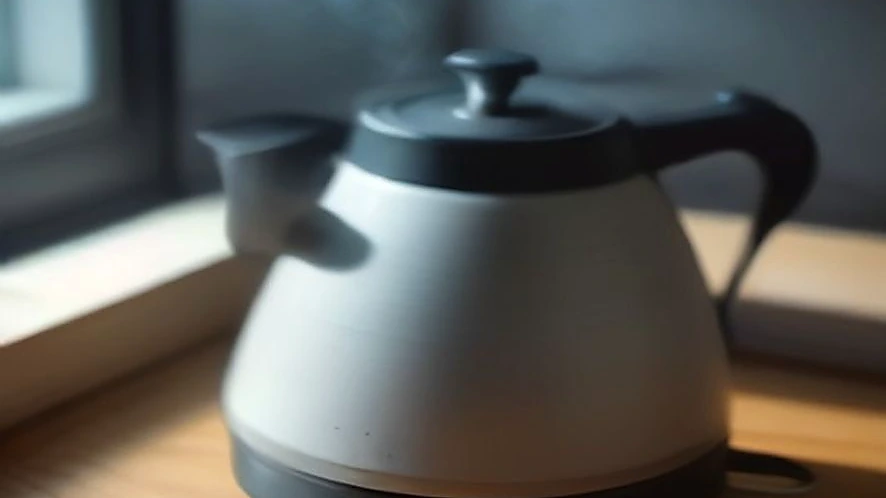
Related: Electric griddle vs stovetop griddle: key differences explained

Rimi Sultana is a home cook from Bangladesh who has cooked for her family every day for the past five years and writes about it at Smart Cooks. Perpetually testing whether internet-famous recipes actually work in a regular home kitchen. Say hello on Facebook or through the contact page.