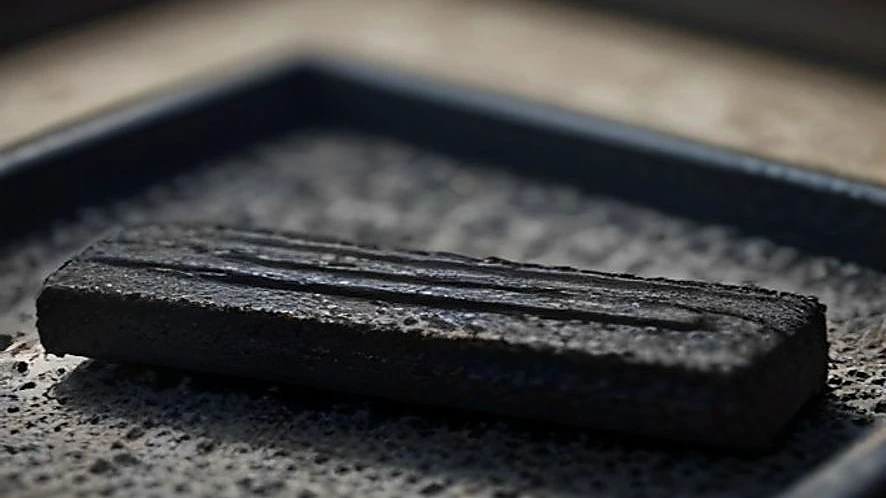
Cleaning a grill grate is essential for maintaining flavour and extending its life, but not all cleaning tools do the job the same way. Grill brushes and grill stones approach the task differently, from the materials they use to the physical action of removing residue.
Some links in this post are affiliate links. If you buy through them we may earn a small commission at no extra cost to you — it never changes which products we recommend.
Understanding how each tool works will help you decide which one fits your grill type, cleaning habits and safety concerns. They are not interchangeable, and choosing one over the other can affect how thoroughly you clean without damaging your grill.
Where each one wins
Grill brushes excel when you face thick layers of burnt food and grease, especially on sturdy metal grates. Their stiff bristles can scrape hard char more quickly than abrasive rubbing, saving time and effort after heavy use.
The mechanism behind grill brushes involves stiff metal bristles, usually made from steel or brass, that physically dislodge burnt-on food particles and grease by scraping. This scraping action is highly effective on tough residues because the bristles can penetrate crevices and grill grooves, breaking up hardened deposits. However, the forceful scraping can sometimes damage delicate grill surfaces or coatings if used improperly.
Grill stones are preferable for regular maintenance cleaning or lighter residue on sensitive grills. Because they lack bristles, they eliminate the risk of metal fragments ending up in food. They are gentler on grill surfaces and better if you clean your grill often before residue builds up.
Grill stones work through abrasive friction, using a compressed mineral or pumice block to rub away food particles and grease. The abrasive surface wears down the residue gradually without scratching the metal grate underneath. This method is effective for light to moderate grime and is less likely to cause damage to coated or delicate grills. However, the stone itself can wear down or crumble over time, especially if used aggressively or on very rough surfaces.
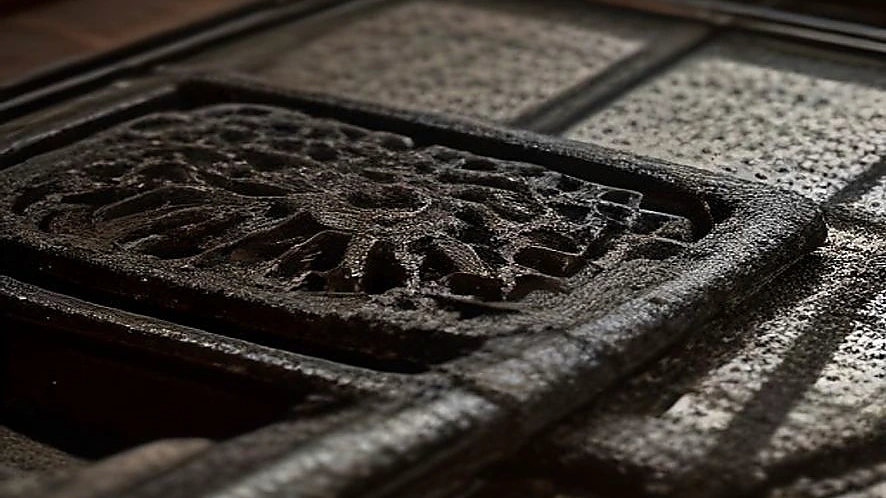
| Attribute | Grill brush | Grill stone |
|---|---|---|
| Cleaning method | Metal bristles scrape residue | Abrasive block rubs residue away |
| Material | Steel or brass bristles with plastic/wood handle | Compressed mineral or pumice block |
| Effective on | Tough, stuck-on char and grease | Light to moderate residue, surface grime |
| Potential risks | Bristles can break off and lodge in food | May wear down or crumble over time |
| Use on | Mostly metal grates, avoid delicate surfaces | Safe on metal grates, not for coated or non-stick |
| Maintenance | Occasional bristle inspection and replacement | Needs drying to prevent crumbling, replace when worn |
From my kitchen
Once, after a weekend BBQ session with slow-cooked ribs, my grill grate had thick caramelised sauce baked on. I started with a grill stone, but the residue barely budged even after several minutes of rubbing. Switching to a metal-bristled grill brush made scraping the burnt-on sauce faster and more effective, but I noticed some bristles had loosened and stuck in the grate.
To mitigate the risk, I inspected the grates carefully, removed stray bristles, and wiped down the grill thoroughly before cooking again. This experience taught me to use the brush for heavy-duty cleaning but to switch to a stone or milder methods for regular upkeep to reduce contamination risk.
In terms of consequences, using a grill brush improperly can lead to metal bristles breaking off and embedding in food, which poses serious health risks if ingested. Therefore, it’s crucial to regularly inspect the brush for wear and loose bristles and to thoroughly check the grill after cleaning. On the other hand, grill stones, while safer in this respect, need to be replaced periodically as they wear down and can crumble, potentially leaving mineral residue on the grill surface.
From a numerical perspective, grill brushes can remove up to 90% of heavy charred residue within minutes, depending on the brush quality and user effort. Grill stones might take longer, requiring 5 to 10 minutes of rubbing for moderate residue removal, but they preserve the grill surface better over time.
Choosing the right tool also impacts the longevity of your grill. Frequent use of harsh wire brushes on delicate coatings can lead to premature wear or peeling, significantly reducing grill life. Conversely, regular use of grill stones can maintain cleanliness without compromising surface integrity, but might not suffice after heavy cooking sessions.
Worth Considering
Best for regular griddle maintenance: AWEASROY Griddle Cleaning Kit

This kit with a grill stone, scraper and brush is designed for Blackstone flat top grills and similar surfaces. The stone cleans gently without metal bristles, reducing contamination risk. Not ideal for heavy char or grills needing deep scraping.
Brand: AWEASROY · Price when checked: $15.99 · Rating: 4.7 out of 5 (2003 ratings)
Pros
- Includes handle for safe use on hot or cold surfaces
- Prevents flaking and damage when used regularly
- Easy to install and remove cleaning pads
Cons
- Less effective on thick burnt residue
- Stone can wear down and crumble over time
Best for tough grill cleaning jobs: EarthStone Grill Cleaning Block Kit

Made from recycled materials, this abrasive block cleans stubborn residue by rubbing and conforms to grates for detailed cleaning. Suitable for both hot and cold surfaces but requires gentle pressure and care to avoid surface wear.
Brand: Earthstone · Price when checked: $25.58 · Rating: 4.3 out of 5 (101 ratings)
Pros
- Works wet or dry on various grill surfaces
- Conforms to clean between grates
- Eco-friendly, made from 98% recycled materials
Cons
- May crumble after extended use
- Requires care to avoid excessive abrasion on delicate grills
When neither brush nor stone is the right answer
If your grill has a non-stick coating or is made from delicate materials like porcelain enamel, both grill brushes with metal bristles and abrasive stones can cause damage. In these cases, a soft nylon brush or specialised grill cleaning cloths are safer options.
For infrared or ceramic grills, thermal cleaning methods such as high-heat burn-off cycles combined with gentle wiping often work better. Chemical grill cleaners designed for specific grill types may also be necessary, but always verify compatibility to avoid voiding warranties or damaging surfaces.
Understanding the consequences of using the wrong cleaning method on delicate grills is critical. For example, using a wire brush on porcelain enamel can cause chipping, exposing the metal underneath to rust. Similarly, abrasive stones can wear down coatings, leading to uneven cooking surfaces and potential food sticking. Thermal cleaning methods, while effective, must be carefully controlled to prevent damage from excessive heat. Chemical cleaners should be selected based on grill manufacturer recommendations to avoid warranty issues or surface degradation.
Related reading
- Electric griddle vs stovetop griddle: key differences explained
- Bench Scraper vs Dough Cutter: Which Do You Need?
- Mastering Carbon Steel: An Expert’s In-Depth Guide to Proper Seasoning and Long-Term Pan Care
Frequently Asked Questions
Can grill brushes leave dangerous metal bristles on my grill?
Yes, one well-documented risk of metal wire grill brushes is that individual bristles can break off during cleaning and remain lodged in the grill grates. If unknowingly ingested, these bristles can cause serious injury. Regularly inspect your brush for loose bristles and the grill for any stray wires after cleaning to minimise this risk.
Is it safe to use a grill stone on a hot grill?
Grill stones can generally be used on hot or cold grill surfaces, but applying gentle pressure is important to avoid excessive abrasion or crumbling of the stone. Some stones include handles to protect your hands from heat. Avoid using stones on grills with coated or fragile surfaces, as the abrasive action may cause damage.
How often should I replace my grill brush or grill stone?
Replace grill brushes when you notice missing, bent, or loose bristles to prevent contamination and maintain cleaning effectiveness. Grill stones wear down gradually and may crumble; replace them once they no longer remove residue effectively or begin to disintegrate. Regular inspection after cleaning sessions helps determine when replacement is due.

Rimi Sultana is a home cook from Bangladesh who has cooked for her family every day for the past five years and writes about it at Smart Cooks. Perpetually testing whether internet-famous recipes actually work in a regular home kitchen. Say hello on Facebook or through the contact page.