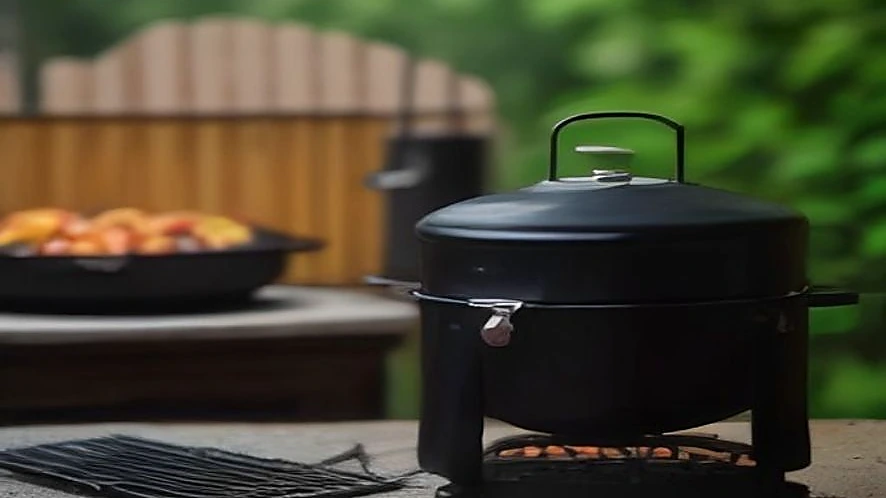
Charcoal grills and gas grills differ fundamentally in how they generate heat, affecting the cooking process and flavour profile. Charcoal grills rely on burning lump charcoal or briquettes, which produce radiant heat and smoke that infuse food with distinctive aromas.
Some links in this post are affiliate links. If you buy through them we may earn a small commission at no extra cost to you — it never changes which products we recommend.
Gas grills use propane or natural gas ignited by burners to deliver controllable, immediate heat via convection and conduction. These mechanism differences lead to varied temperature control, clean-up, and maintenance requirements, which affect user experience and cooking outcomes.
Where each one wins
Charcoal grills excel when you want to impart a smoky flavour and enjoy a traditional grilling ritual. Their radiant heat and smoke interaction are ideal for slow cooking larger cuts or adding bark to smoked meats. They are the preferred choice for cooking where flavour nuance from smoke is paramount.
The mechanism behind this involves the combustion of charcoal which produces not only heat but also smoke containing complex aromatic compounds such as phenols and guaiacol. These compounds adhere to the surface of the food, enhancing its flavour profile. Charcoal typically burns at temperatures ranging from 600°F to 700°F (315°C to 370°C), providing intense radiant heat that sears meat effectively. However, managing the temperature requires manual adjustment of airflow vents and charcoal placement, which can be challenging but allows for nuanced control over cooking zones.
Gas grills are better for convenience, quick start-up, and precise temperature control. They suit cooks who want consistent heat for quick searing, frequent grilling sessions with minimal fuss, or to cook a wide variety of foods with multiple burners offering different heat zones. Their ease of use and speed compensate for the lack of smoke flavour.
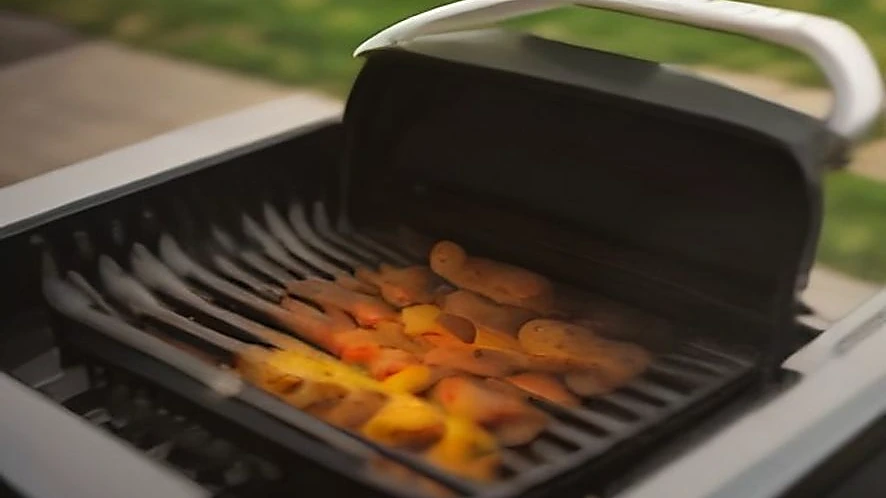
Gas grills operate by burning propane or natural gas through adjustable burners, which can be controlled via valves to modulate flame intensity instantly. This results in a temperature range typically between 250°F and 700°F (120°C to 370°C), allowing for both low-and-slow cooking and high-heat searing. The convection and conduction heat transfer methods provide even heat distribution, and multiple burners enable creating distinct temperature zones on the grill surface. This precise control reduces the risk of flare-ups and burnt food, making gas grills ideal for quick meals and multitasking. However, the absence of smoke means flavour development relies more on the Maillard reaction and caramelization during searing rather than smoky infusion.
| Charcoal grill | Gas grill | |
|---|---|---|
| Heat source | Solid charcoal briquettes or lump charcoal, burning at 600°F–700°F (315°C–370°C) | Propane or natural gas burners with adjustable flame, 250°F–700°F (120°C–370°C) |
| Heat control | Manual airflow adjustments via vents; requires managing charcoal amount and position | Precise burner control via gas valves; instant temperature adjustment |
| Flavour impact | Produces smoke from charcoal combustion, adding smoky flavour | Minimal smoke; flavour mostly from Maillard reaction and searing |
| Ignition time | 15–30 minutes to reach cooking temperature as coals heat up | 2–5 minutes to ignite and reach temperature |
| Clean-up | Ash disposal required after cooling; grates need brushing | No ash; drip trays collect grease; burners require occasional cleaning |
| Portability | Typically heavier due to solid fuel and steel construction | Often lighter with compact propane tanks; some models highly portable |
From My Kitchen
One summer evening, I tried to cook a thick steak on my gas grill, expecting an even sear. The gas burners provided steady heat, but I noticed the steak lacked the depth of flavour I associate with charcoal grilling. I switched to my Masterbuilt Gravity Series 1050 charcoal grill for the next batch, letting the charcoal fully ignite and develop white-hot embers before cooking. The radiant heat and smoke wrapped around the meat, creating a rich crust and subtle smokiness that the gas grill couldn’t replicate.
This difference is due to the chemical reactions triggered by charcoal smoke, which deposits flavorful compounds onto the meat’s surface. The radiant heat from the embers also promotes a more intense sear, forming a desirable crust through the Maillard reaction combined with smoke infusion. In contrast, gas grills primarily rely on direct flame and convection heat, which sears quickly but lacks the complexity imparted by smoke.
However, when I hosted a last-minute backyard barbecue, the gas grill’s quick ignition and accurate temperature control saved the day. I could adjust burners separately, cooking vegetables and burgers simultaneously without overcooking. In this case, the speed and convenience outweighed the flavour complexity of charcoal.
The ability to control multiple burners independently allows for creating different heat zones, which is particularly useful when preparing diverse foods simultaneously. For example, burgers can be seared on high heat while vegetables cook gently on a cooler side. This flexibility reduces cooking time and effort, especially important during social gatherings or when time is limited. Despite the lack of smoky flavour, gas grills offer a practical solution for efficient and consistent grilling.
Worth Considering
Best for flavour and traditional grilling: Masterbuilt® Gravity Series 1050 Digital Charcoal Grill
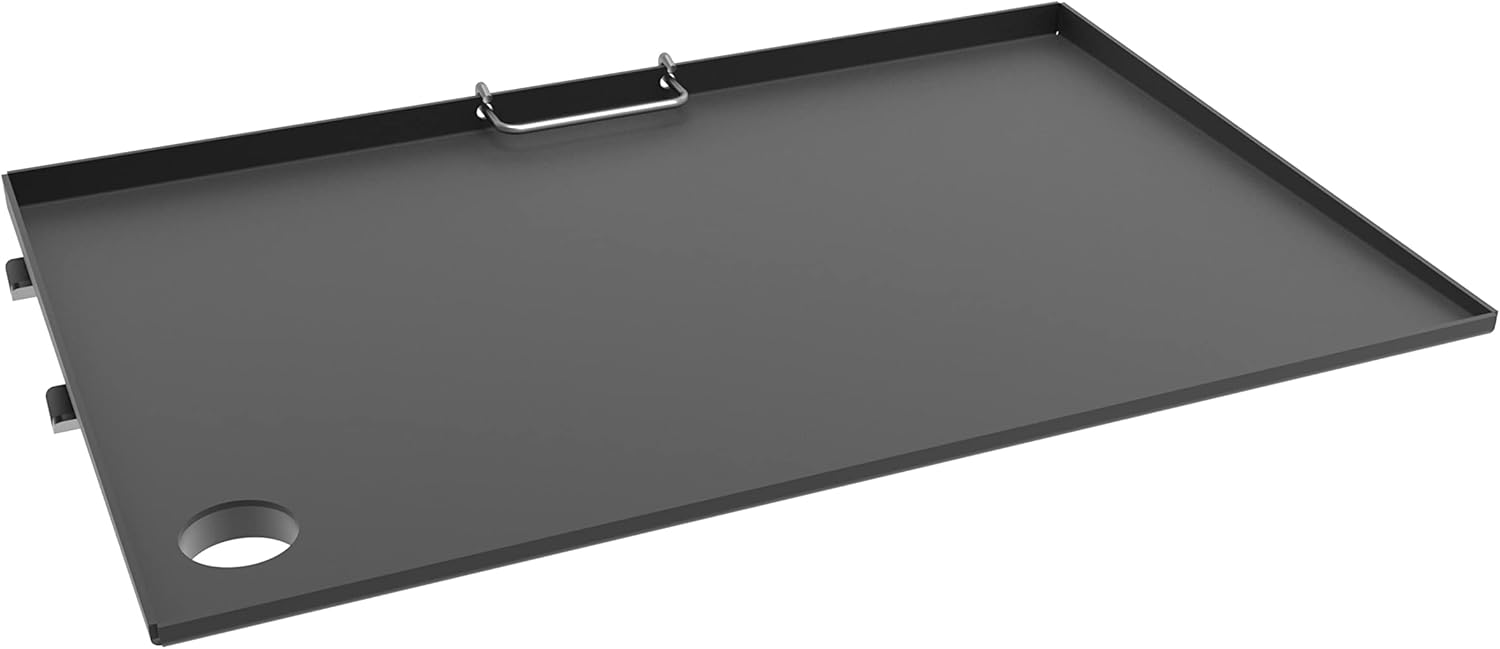
This charcoal grill offers 465 square inches of cooking surface with precise temperature control via a digital fan. It is suitable for those who want authentic smoky flavour and can invest time managing charcoal. It is less convenient for quick meals or frequent cleaning.
Brand: Masterbuilt · Price when checked: $149.99 · Rating: 4.1 out of 5 (5779 ratings)
Pros
- Large cooking area of 465 sq.in. for versatile meal sizes
- Digital fan aids accurate temperature management
- Durable pre-seasoned steel griddle accessory included
Cons
- Longer preheating time compared to gas grills
- Requires ash disposal and more thorough cleaning
Best for portability and ease: Portable Gas Grill by FIRE DREAMS

This portable gas grill features 360° rotation and stainless steel construction, designed for camping, tailgating, or patio use. It suits cooks who prioritise rapid heat, ease of use, and compactness over smoky flavour. The smaller cooking area limits large gatherings.
Brand: Brand: FIRE DREAMS · Price when checked: $159.99 · Rating: 3.9 out of 5 (111 ratings)
Pros
- Fast heat-up within minutes
- Compact and lightweight with carry bag
- 360° rotating grill for even cooking
Cons
- Smaller cooking surface than typical charcoal grills
- Flavour lacks smoke complexity from charcoal
When neither charcoal nor gas grills are the right answer
If your priority is precise temperature control alongside moisture retention and uniform cooking, neither gas nor charcoal grills may satisfy you. Techniques like sous vide or using a dedicated smoker with electric heat provide controlled environments that charcoal’s variability and gas’s dry heat cannot match. For indoor cooking or areas with strict fire codes, electric grills or induction cooktops offer safer alternatives without the smoke or gas combustion.
Moreover, if space is extremely limited or frequent quick cleanup is essential, small electric grills or countertop infrared grills may be more practical. Their lower temperature ceilings and lack of smoke flavour are trade-offs worth considering for convenience and indoor use.
Related reading
- Electric griddle vs stovetop griddle: key differences explained
- Best Garbage Disposals for Families with Septic Systems
- Portable induction cooktop vs electric hot plate: how they differ and which to choose
Frequently Asked Questions
Which grill heats up faster, charcoal or gas?
Gas grills typically heat up faster, reaching cooking temperatures in 2 to 5 minutes due to instant ignition of burners. Charcoal grills require about 15 to 30 minutes to light the briquettes or lump charcoal and allow them to ash over, reaching stable heat levels. This slower startup makes charcoal less convenient when time is limited.
Does charcoal grilling always produce smoke flavour?
Charcoal grilling produces smoke flavour when combustion of charcoal or wood releases incomplete combustion compounds that interact with food. The amount of smoke depends on the type of charcoal, airflow control, and whether wood chips or chunks are added. Gas grills produce minimal smoke since gas burns cleaner, so the smoky aroma is generally absent.
How do I manage temperature on a charcoal grill?
Temperature control on a charcoal grill is managed by adjusting the amount of charcoal, its arrangement (spread or banked), and airflow through intake and exhaust vents. Opening vents increases oxygen flow, raising temperature; closing vents reduces oxygen and lowers heat. Unlike gas grills with precise valves, this requires experience and frequent adjustments to maintain desired heat.

Rimi Sultana is a home cook from Bangladesh who has cooked for her family every day for the past five years and writes about it at Smart Cooks. Perpetually testing whether internet-famous recipes actually work in a regular home kitchen. Say hello on Facebook or through the contact page.