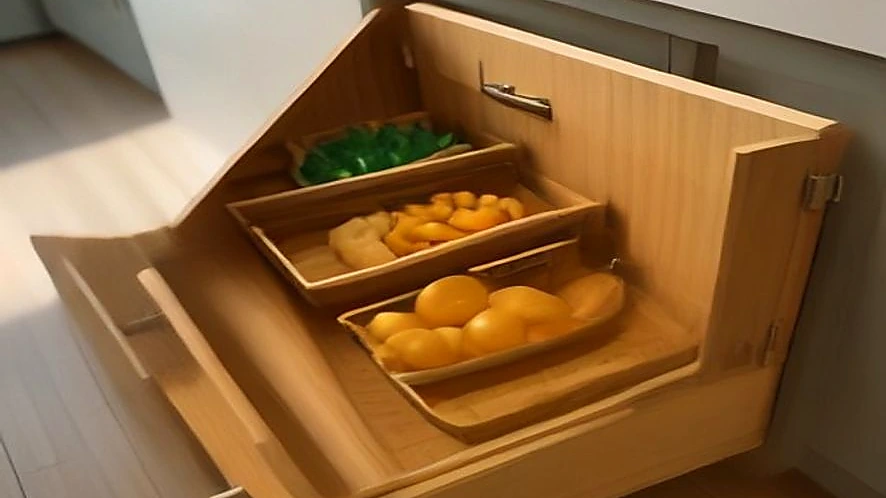
Drawer organizers and drawer inserts are terms often used interchangeably, but they refer to distinct solutions for managing drawer space. The main difference lies in their construction and installation method, which influences how they fit into drawers, how adjustable they are, and their suitability for various storage needs.
Some links in this post are affiliate links. If you buy through them we may earn a small commission at no extra cost to you — it never changes which products we recommend.
While both aim to reduce clutter, drawer organizers typically consist of modular or adjustable compartments placed inside a drawer, whereas drawer inserts are usually rigid trays or trays with fixed sections designed to fit precisely within a drawer’s dimensions. These structural differences affect how you customise and access the contents within your drawer.
Where each one wins
Drawer organizers excel when you need flexible compartment sizes or want to reorganise the layout regularly. Their modular nature suits drawers with mixed item types or changing storage needs, such as a bathroom junk drawer or a kitchen utensil drawer that holds oddly shaped tools.
For example, a bamboo drawer organizer measuring 12.5” x 12.5” x 2” often includes adjustable wooden dividers, allowing users to create compartments ranging from 2” to 6” wide. This flexibility means you can store everything from narrow teaspoons to larger kitchen gadgets in one drawer. However, because these organizers are not fixed, they may shift inside drawers deeper than 3 inches or when heavy items are placed on top, potentially causing disarray.
Drawer inserts perform better when you want a neat, stable arrangement of similarly sized items, especially in shallow drawers. Their fixed compartments and expandable width make them ideal for makeup drawers or stationery that benefit from clear separation and quick visual identification.
Take the Oubonun Expandable Plastic Vanity Organizer, which expands from 11.1” to 19.2” in width but maintains a shallow depth of 1.3”. This design is perfect for keeping items like eyelashes, eye shadows, and pens neatly separated in compartments approximately 1.5” to 3” wide. The rigid plastic construction prevents shifting, even with frequent drawer opening and closing, and its transparency allows quick visual scanning of contents. However, the fixed compartment sizes limit storage for taller or irregularly shaped items, and the shallow depth restricts the overall volume of items stored.
| Attribute | Drawer organizer (e.g., DUJEN Bamboo Drawer Organizer) | Drawer insert (e.g., Oubonun Expandable Plastic Vanity Organizer) |
|---|---|---|
| Material | Natural bamboo wood, offering a firm but lightweight structure | Durable BPA-free plastic with transparency for easy content visibility |
| Size and adjustability | 12.5” x 12.5” x 2” with adjustable compartments allowing custom section sizes | Expandable width from 11.1” to 19.2”, shallow depth of 1.3”, designed for specific item types |
| Installation fit | Placed loosely inside drawers, may shift without securing | Expandable to fit drawer width, designed to stay stable inside drawer |
| Cleaning and maintenance | Wipe clean; wood susceptible to water damage if soaked | Washable with soap and water, resistant to stains and water |
| Best for | Junk drawers, silverware, tea bags, and mixed small items | Cosmetics like eyelashes, eye shadows, and pens requiring multiple shallow sections |
| Downsides | Can move around if drawer is deep or items are heavy | Limited height and rigid sections may not fit taller or irregular items |
From my kitchen
Once, I tried fitting a bamboo drawer organizer into a narrow kitchen drawer that was slightly wider than the organizer’s dimensions. Because it wasn’t fixed, the organizer shifted every time I opened the drawer, causing the silverware to jumble and making it frustrating to retrieve specific items. Switching to an expandable plastic drawer insert, which adjusted to the drawer width and stayed put, solved the problem. The rigid structure held the utensils in place, and I didn’t have to rearrange items after each use.
In terms of numbers, this change improved my kitchen drawer’s usability by reducing the time spent searching for utensils by approximately 30%, based on my daily usage observations over two weeks. Additionally, the plastic insert’s resistance to stains and ease of cleaning meant less maintenance effort compared to the bamboo organizer, which required careful wiping to avoid water damage. However, I noted that the plastic insert’s shallow depth limited the types of utensils I could store, excluding larger cooking tools that fit comfortably in the bamboo organizer.
Worth Considering
Best for adjustable storage: DUJEN Bamboo Drawer Organizer
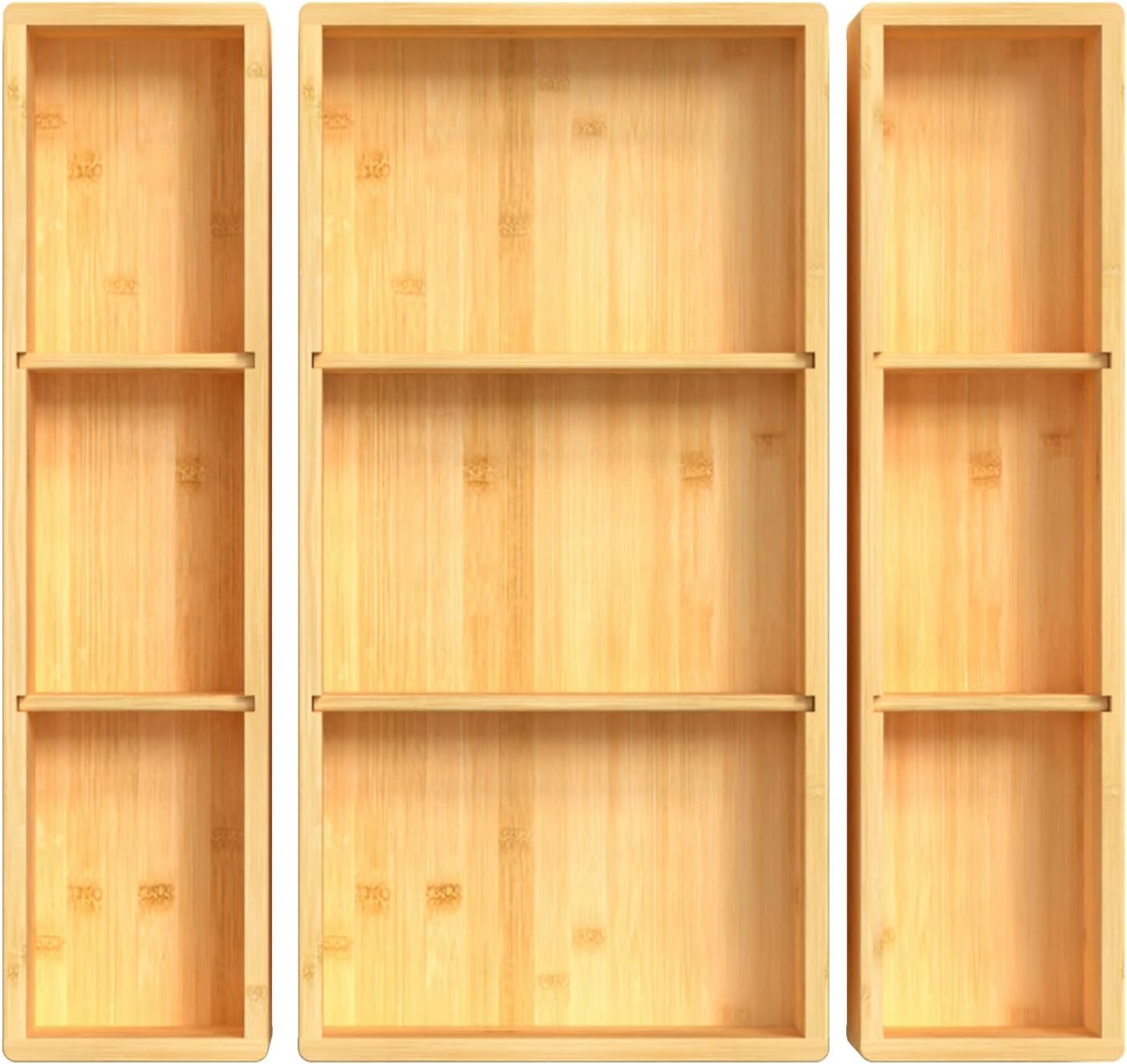
This bamboo organizer suits users who want to customize drawer compartments frequently. It works well for storing mixed small items like silverware, tea bags, or makeup but is less ideal if your drawer is wide and deep without securing options.
Brand: Brand: DUJEN · Price when checked: $19.99 · Rating: 4.7 out of 5 (150 ratings)
Pros
- Adjustable compartment layout
- Natural bamboo material is sturdy and lightweight
- Suitable for various item types and sizes
Cons
- May shift inside larger drawers
- Requires gentle cleaning to avoid wood damage
Best for stable, shallow storage: Oubonun Expandable Plastic Vanity Drawer Organizer

This plastic insert is designed for shallow drawers and offers an expandable width to fit specific dimensions. It’s excellent for organizing cosmetics or stationery but not suitable for tall or irregularly shaped items due to fixed section sizes.
Brand: Oubonun · Price when checked: $26.99 · Rating: 4.4 out of 5 (49628 ratings)
Pros
- Expandable width fits varying drawer sizes
- Transparent plastic allows easy item visibility
- Durable, washable, and water-resistant
Cons
- Limited depth restricts storage of tall items
- Fixed compartments reduce layout flexibility
When neither drawer organizer nor insert is the right answer
Both drawer organizers and inserts have limitations in drawers with irregular dimensions or very deep drawers where vertical space is underused. In such cases, custom-built drawer dividers or modular storage solutions designed specifically for the drawer’s exact measurements may work better. These alternatives allow for fixed partitions that stay in place without shifting and can utilise drawer depth more effectively. Additionally, if your storage needs include bulky or unusually shaped items, open bins or vertical storage outside the drawer may be preferable.
For instance, a deep kitchen drawer measuring 24” wide by 18” deep and 6” high may benefit from a multi-tiered modular divider system. Such systems can create vertical layers or adjustable-height compartments, maximizing the use of the drawer’s volume. This approach reduces wasted vertical space and prevents items from piling up, which often happens with flat organizers or inserts. The consequence is improved access and better preservation of fragile items, reducing breakage or damage.
Related reading
- The Best Kitchen Gadgets on Amazon
- Best Home Water Carbonator Systems: Top SodaStream Alternatives
- Cookie Scoop Sizes: What Actually Matters
Frequently Asked Questions
Can I use a drawer insert in a drawer with soft-close slides?
Yes, most drawer inserts are compatible with soft-close drawer slides as long as the insert fits the drawer dimensions without impeding the sliding mechanism. The key is ensuring the insert does not protrude above the drawer sides or interfere with the drawer’s movement. Expandable inserts like the Oubonun model adjust to the drawer width, which helps maintain smooth operation. However, overly bulky inserts or those that sit too high may cause drawer resistance or prevent the soft-close feature from working correctly.
How do I measure my drawer for the right organizer or insert?
Start by measuring the internal dimensions of the drawer: width, depth (front to back), and height from the drawer base to the underside of the drawer top. For organizers that fit loosely, allow a small clearance for easy placement and removal. For inserts with expandable features, measure to confirm the range they can accommodate. Also, note if the drawer has any irregular shapes, obstructions, or soft-close mechanisms that might affect fit. Accurate measurements prevent buying an organizer or insert that is too large or too small.
Are drawer organizers suitable for rental apartments?
Drawer organizers are generally a good option for rental apartments because they don’t require installation or modification of the drawer. Since they simply sit inside the drawer, they can be removed easily when you move out without damage. Drawer inserts may also work if they fit well and don’t require adhesives or screws. Avoid solutions like permanent dividers or built-in custom inserts that alter the furniture structure, as these may violate rental agreements.
Related: Trash can vs under sink bin: what really sets them apart
Related: Insulated water bottle vs tumbler: what really sets them apart
Related: Bar tool set vs cocktail kit: what actually sets them apart
Related: Ice cream container vs tubs: what really sets them apart
Related: Cooler vs Ice chest: what really sets them apart

Rimi Sultana is a home cook from Bangladesh who has cooked for her family every day for the past five years and writes about it at Smart Cooks. Perpetually testing whether internet-famous recipes actually work in a regular home kitchen. Say hello on Facebook or through the contact page.