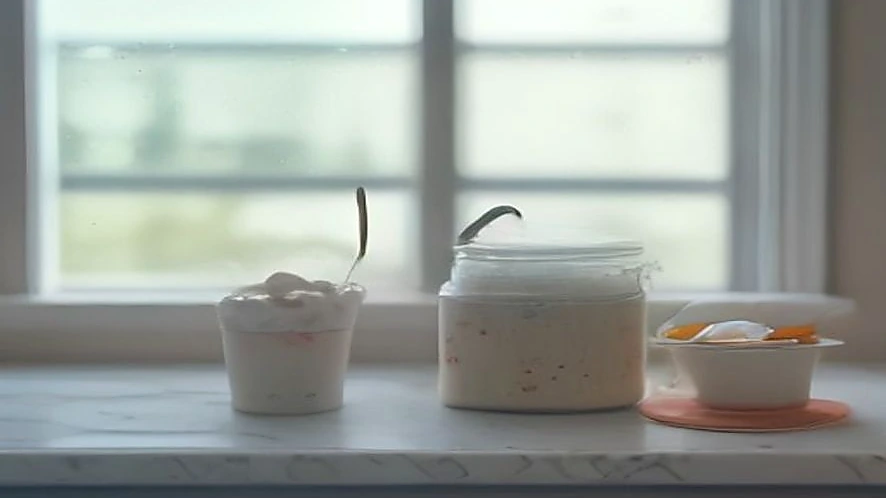
Ice cream containers and tubs might seem interchangeable at a glance, but their differences go beyond shape or size. These differences affect how well they store ice cream, how easy they are to handle, and even how they impact freezer space and ice cream texture over time.
Some links in this post are affiliate links. If you buy through them we may earn a small commission at no extra cost to you — it never changes which products we recommend.
Understanding what distinguishes a container from a tub involves looking at factors like materials, lid design, durability, and insulation. This knowledge helps determine which option suits your specific use case, whether it’s home storage, portion control, or repeated reuse.
Where each one wins
Ice cream containers excel when you need airtight storage that preserves texture longer. Their seal reduces freezer burn and they’re built to last through many uses. If you make small batches or want portion control, containers sized around 16 oz (473 ml) or 2 quarts (1.9 L) fit neatly in most freezers and fridge doors.
Ice cream tubs are better when you want to serve larger quantities at once or prefer a wider opening for easier scooping. They’re commonly used for commercial ice cream packaging because they’re cheaper to produce and lighter to ship. If you prioritize discarding containers after use or need less durable packaging, tubs fulfill that role.
In summary, containers are practical for home cooks concerned about ice cream quality and storage efficiency, while tubs suit bulk use and short-term storage where reuse isn’t required.
The mechanism behind these differences largely stems from the materials and design. Containers typically use rigid food-grade plastics with thicker walls, which provide better insulation. This slows down temperature fluctuations in the freezer, helping maintain ice cream’s creamy texture by reducing ice crystal formation. The snap-on airtight lids create a strong barrier against air and moisture, significantly lowering the risk of freezer burn, which occurs when ice crystals grow on the surface due to moisture loss.
In contrast, tubs often use paperboard or thinner plastic with friction-fit lids. These materials have less insulating ability, so the ice cream inside is more susceptible to temperature swings that can degrade texture. The looser-fitting lids allow more air exchange, increasing the chance of freezer burn over time. This explains why tubs are generally favored for short-term use or single servings rather than long-term storage.
From a numerical perspective, a typical 16 oz container has a volume of approximately 473 milliliters, which is ideal for individual portions or small batches. Larger 2-quart containers (around 1.9 liters) accommodate family-sized servings or bulk storage. Tubs, on the other hand, often start at 1 quart (950 ml) and can go much larger, catering to commercial needs or parties. However, their larger footprint and less stackable design mean they occupy more freezer space, which can be a disadvantage in smaller home freezers.
Durability also plays a significant role in user choice. Plastic containers are designed to withstand repeated use and dishwasher cleaning without cracking or deforming. This durability supports sustainability when users reuse them multiple times. Tubs, being thinner and often disposable, tend to degrade quickly when exposed to moisture or repeated handling, limiting their lifespan.
The consequences of these differences impact not only ice cream quality but also waste and convenience. Using containers reduces the frequency of replacing packaging and minimizes freezer space wasted on bulky tubs. However, the initial investment in quality containers is higher, which might deter some users. Tubs offer affordability and convenience for single-use scenarios but contribute more to packaging waste and potential ice cream texture loss if used for extended storage.
From My Kitchen
Once I tried storing a homemade gelato batch in a paperboard tub left over from a shop. After a week, I noticed a hard, icy layer on top—classic freezer burn from air exposure. I transferred the same gelato into a plastic container with a snap-on lid. Over the next week, it stayed creamy and scoopable without ice crystals forming, showing how airtight sealing and wall thickness directly affect ice cream texture.
That experience taught me to keep tubs for short-term use or serving, and containers for longer storage. It also helped me appreciate why containers with airtight lids are recommended in guides on how to keep ice cream soft in the freezer.
Delving deeper into the science, freezer burn results when water molecules in the ice cream sublimate due to exposure to air, leaving behind dry, icy patches. The thicker walls of plastic containers act as a thermal buffer, slowing down temperature fluctuations that accelerate sublimation. Additionally, the airtight lids minimize air exchange, preserving moisture content.
Quantitatively, studies have shown that ice cream stored in airtight containers retains optimal texture for up to four weeks, while ice cream in tubs with loose lids may begin to show texture degradation within one to two weeks. This difference is critical for home users who prefer to prepare or buy ice cream in bulk and store it over time.
Moreover, the ease of handling containers with secure lids reduces the risk of spills and contamination, which can also affect ice cream quality. Containers’ stackability optimizes freezer space, allowing better organization and reducing the chance of temperature fluctuations caused by frequent door openings.
On the other hand, tubs provide convenience for immediate consumption or serving large groups, as their wide openings facilitate scooping and sharing. However, their susceptibility to damage and less effective sealing make them less suitable for preserving ice cream over extended periods.
Understanding these mechanisms and practical implications helps users make informed decisions based on their storage needs, consumption habits, and freezer capacity.
| Attribute | Ice cream containers | Ice cream tubs |
|---|---|---|
| Material | Rigid food-grade plastic often designed for reuse | Paperboard or thinner plastic, often disposable |
| Lid seal type | Snap-on airtight lids with tight rim fit | Friction-fit or loose lids with weaker seals |
| Durability | Durable for repeated use and dishwasher safe | Single or limited use, prone to damage when wet |
| Insulation | Thicker walls slow temperature changes | Thinner walls allow quicker temperature fluctuations |
| Volume options | Common sizes: 16 oz (473 ml) to 2 quarts (1.9 L) | Usually larger volumes, 1 quart (950 ml) or more |
| Freezer space efficiency | Stackable, smaller footprint | Less stackable, occupies more space |
From My Kitchen
Once I tried storing a homemade gelato batch in a paperboard tub left over from a shop. After a week, I noticed a hard, icy layer on top—classic freezer burn from air exposure. I transferred the same gelato into a plastic container with a snap-on lid. Over the next week, it stayed creamy and scoopable without ice crystals forming, showing how airtight sealing and wall thickness directly affect ice cream texture.
That experience taught me to keep tubs for short-term use or serving, and containers for longer storage. It also helped me appreciate why containers with airtight lids are recommended in guides on how to keep ice cream soft in the freezer.
Worth Considering
Best for longer storage and reuse: BALCI Ice Cream Containers 2 Quart Set of 2
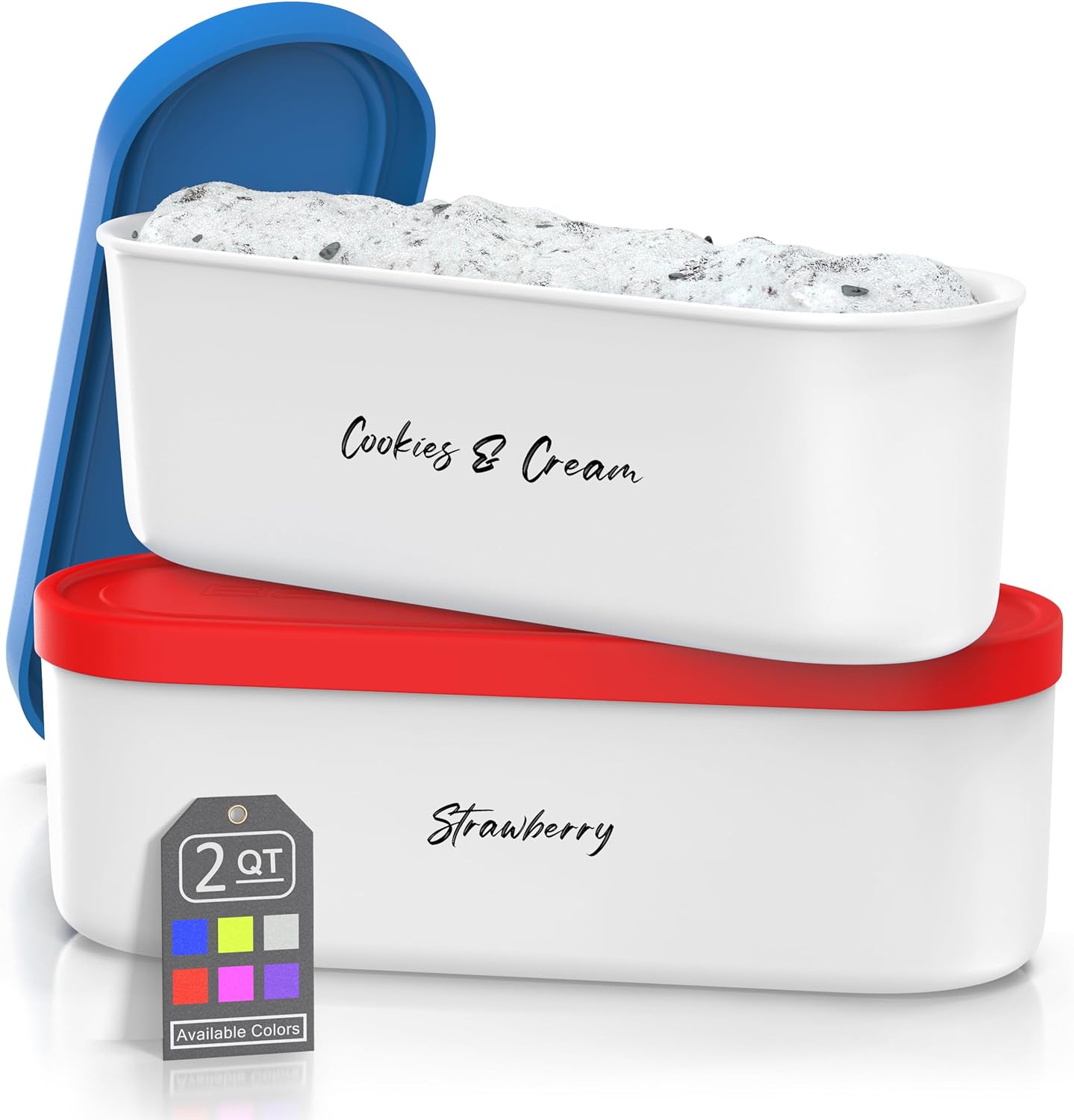
These 2-quart containers use quality materials and tight-fitting lids designed to keep ice cream fresher longer. Ideal for batch makers and those who store ice cream for weeks. They’re less suited for one-time use or those who prefer disposable options.
Brand: BALCI · Price when checked: $29.99 · Rating: 4.8 out of 5 (204 ratings)
Pros
- High quality design and materials for durability
- Snap-on lids provide a tight seal reducing freezer burn
- Reusable and dishwasher safe for easy cleaning
Cons
- Higher upfront cost compared to disposable tubs
- Larger size may be bulky for small freezers
Best for individual portions and short-term use: Four Flowers 16 oz Ice Cream Containers with Lids, 4-Pack

These smaller 16 oz containers are perfect for portion control and multiple flavours. Their lids seal tightly enough to prevent leaks and freezer burn in the short term. Not as durable for long-term reuse or large volume storage.
Brand: Four Flowers · Price when checked: $22.99 · Rating: 4.6 out of 5 (204 ratings)
Pros
- Durable food-grade plastic resists cracking at low temperatures
- Airtight, leak-proof lids keep contents fresh
- Dishwasher safe for convenient cleaning
Cons
- Smaller capacity may require multiple containers for larger quantities
- Repeated use may wear down lid seals over time
When neither containers nor tubs are the right answer
If you prioritize environmental impact above convenience or durability, neither typical ice cream containers nor tubs may be ideal. Paperboard tubs often have plastic linings that complicate recycling, while plastic containers require energy-intensive manufacturing and may contribute to plastic waste if not reused.
Alternatives include stainless steel or glass ice cream storage containers, which offer reusable, inert surfaces and better sustainability but come at higher upfront cost and weight. For ice cream shops or home users focused on zero waste, investing in these materials can be a meaningful choice despite the inconvenience compared to disposable or standard plastic options.
Related reading
- Best Large & Easy-to-Clean Spoon Rests
- Cookie Scoop Sizes: What Actually Matters
- Mastering Carbon Steel: An Expert’s In-Depth Guide to Proper Seasoning and Long-Term Pan Care
Frequently Asked Questions
Are ice cream containers better at preventing freezer burn than tubs?
Yes, ice cream containers with snap-on airtight lids limit air exposure more effectively than tubs with looser lids. This reduces moisture loss and ice crystal growth on the surface, which causes freezer burn. The difference is due to the container’s tighter seal and thicker walls that slow temperature changes and air exchange.
Can I reuse ice cream tubs like containers for homemade ice cream?
Most tubs are designed for single or limited use and often made of paperboard with plastic linings that degrade after washing. Containers made from durable plastic are better suited for repeated reuse because they resist cracking and can be cleaned in dishwashers. Reusing tubs risks leaks and contamination.
Which ice cream container size is best for home use?
Sizes between 16 oz (473 ml) and 2 quarts (1.9 L) work well depending on your needs. 16 oz containers offer portion control and easy freezer storage, while 2-quart containers suit larger batches or families. The choice depends on how much ice cream you typically store and your freezer space.
Related: Cooler vs Ice chest: what really sets them apart

Rimi Sultana is a home cook from Bangladesh who has cooked for her family every day for the past five years and writes about it at Smart Cooks. Perpetually testing whether internet-famous recipes actually work in a regular home kitchen. Say hello on Facebook or through the contact page.