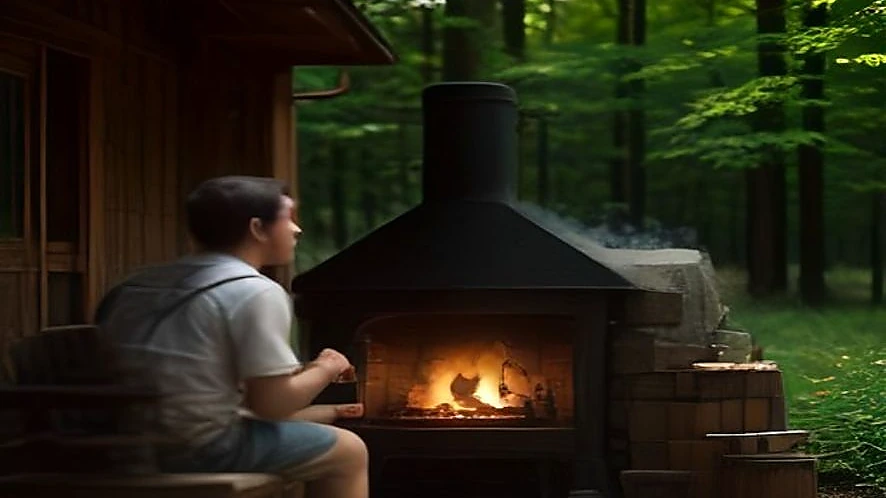
Pellet smokers and offset smokers both deliver smoked food, but they achieve it through very different mechanisms. Pellet smokers use an automatic feed system to burn wood pellets at a steady rate controlled electronically, while offset smokers rely on a separate firebox where wood or charcoal burns manually, sending smoke and heat into the cooking chamber.
Some links in this post are affiliate links. If you buy through them we may earn a small commission at no extra cost to you — it never changes which products we recommend.
These fundamental differences affect how you control temperature, the flavour profile of your food, the level of attention cooking demands, and your equipment maintenance. Understanding these contrasts helps you choose a smoker that fits your cooking habits and flavour preferences.
Where each one wins
Pellet smokers excel when you want consistent temperature control without constant attention. They are practical for beginners or anyone who needs a reliable, mostly hands-off smoking experience. Their electronic control means you can maintain steady heat for long cooks, which is useful for smoking briskets or ribs overnight with minimal fuss.
The mechanism behind this consistency involves an auger that automatically feeds wood pellets into a burn pot, where an igniter lights them. A digital thermostat monitors the internal temperature and adjusts the pellet feed rate and fan speed to maintain the set temperature precisely, typically ranging from 180°F to 500°F (82°C to 260°C). This system reduces temperature fluctuations to within a few degrees, which is crucial for delicate cuts that require long, slow smoking to break down connective tissue without drying out.
Offset smokers suit traditionalists who enjoy the craft of fire management and seek a more intense smoke flavour. They allow you to use different hardwoods and charcoal to customize flavour but demand skill to maintain stable temperatures over hours. They are often preferred in barbecue competitions and for large volume cooking due to their capacity and flexibility.
The heat in offset smokers is generated by burning wood logs or charcoal in a separate firebox. Heat and smoke flow through a connecting chamber into the main cooking area. Temperature control is manual, relying on adjusting the amount of fuel and manipulating intake and exhaust dampers to regulate airflow. This process can produce temperature swings of 20°F to 50°F (11°C to 28°C) or more, requiring frequent monitoring and adjustments. Skilled pitmasters learn to read smoke color, fire behavior, and weather conditions to maintain ideal temperatures between 150°F and 350°F (65°C to 175°C). The radiant heat from the firebox walls combined with convection smoke flow creates a complex smoke ring and flavor profile prized in traditional barbecue.
In terms of flavour, pellet smokers tend to produce a milder, cleaner smoke due to the controlled combustion of compressed pellets, which are often made from sawdust and wood scraps. The combustion is more complete, resulting in fewer particulates and less creosote. Offset smokers, burning whole wood logs or lump charcoal, generate a richer, more variable smoke flavour with deeper nuances. The type of wood used—such as hickory, mesquite, apple, or cherry—greatly influences the taste, and the less predictable combustion can create a more intense smoke profile.
User involvement differs significantly. Pellet smokers offer a set-and-forget style with minimal supervision, which is ideal for those who want to multitask or sleep during long cooks. Offset smokers require frequent attention, fire management skills, and experience to maintain consistent results. This hands-on approach appeals to enthusiasts who enjoy the ritual and control of traditional smoking.
Maintenance also varies: pellet smokers need periodic cleaning of the burn pot and auger to prevent pellet dust buildup and ensure reliable feeding. Offset smokers require regular ash removal, firebox cleaning, and inspection of seals and dampers to maintain efficiency and safety.
Portability and setup are additional considerations. Pellet smokers are generally more compact and electrically powered, making them suitable for tailgating and small spaces but dependent on power availability. Offset smokers are larger, heavier, and require fuel preparation and fire-starting skills, but their robust construction is favored for large gatherings and competitions.
| Attribute | Pellet smoker | Offset smoker |
|---|---|---|
| Fuel source and feeding | Compressed wood pellets fed automatically by an auger | Wood logs or charcoal manually added to a firebox |
| Temperature control | Digital thermostat adjusts pellet feed and fan speed for precise control (typically 180°F–500°F / 82°C–260°C) | Manual adjustment of fire and dampers; temperature varies with fuel and airflow, generally between 150°F–350°F (65°C–175°C) |
| Heat transfer | Convection heat circulated by a fan | Combination of radiant heat from firebox walls and convection smoke flow |
| Smoke flavour profile | Milder, cleaner smoke due to controlled combustion of pellets | Stronger, more variable smoke flavour due to direct wood or charcoal combustion |
| User involvement | Set-and-forget style with minimal supervision | Requires frequent monitoring and fire management skills |
| Portability and setup | Generally more compact and plug-in electric | Larger, heavier, and requires fuel and fire preparation |
From My Kitchen
Once, I tried smoking a large pork shoulder with an offset smoker on a windy day. The fluctuating airflow made it difficult to maintain the target 225°F (107°C). The temperature swung between 190°F and 270°F (88°C and 132°C), affecting the meat’s texture and cooking time. Switching to a pellet smoker the next weekend, I set the temperature to 225°F and left it alone for 10 hours. The consistent heat prevented temperature spikes, resulting in a tender, evenly cooked shoulder. That day showed me how the automatic feed and thermostat in pellet smokers handle environmental challenges better than manual offset smokers.
This experience highlights the critical impact of temperature stability on meat quality. Inconsistent heat can cause uneven collagen breakdown, leading to tougher areas and longer cooking times. The pellet smoker’s precision allowed the connective tissues in the pork shoulder to convert into gelatin uniformly, yielding a moist, tender result. Additionally, the reduced need for constant monitoring freed me to focus on side dishes and preparation, making the cooking process less stressful and more enjoyable.
Worth Considering
Best for ease and portability: Traeger Tailgater Portable Wood Pellet Grill & Smoker

The Traeger Tailgater is compact and uses an 8 lbs. pellet hopper with a porcelain-coated grate for easy cleaning. It heats quickly using a 120V power source and holds steady temperatures with minimal input. It’s ideal for cooks who value convenience over manual fire skills and want something portable for tailgating or small gatherings. It’s less suited for those seeking the deep, variable smoke flavour from traditional wood fires.
Brand: 4.4 4.4 out of 5 stars · Price when checked: $94.46 · Rating: 3.8 out of 5 (996 ratings)
Pros
- Automatic pellet feed with digital temperature control
- Compact and lightweight for portability
- Quick heat-up and easy to clean
Cons
- Requires electric power source
- Smoke flavour is milder and less complex than wood fire
Best for traditional smoke flavour and volume: Pit Boss 4-Series WiFi & Bluetooth Digital Vertical Smoker

The Pit Boss 4-Series provides 1,320 sq. in. cooking space across six adjustable racks and a wood chip tray for added smoke. It offers Wi-Fi and Bluetooth temperature control between 100°F to 300°F (38°C to 149°C), merging some digital convenience with manual fuel management. It’s good for users wanting more direct wood flavour and larger capacity but who are willing to monitor the fire and clean a larger unit. It’s less suited for casual or beginner smokers due to its complexity.
Brand: PIT BOSS · Price when checked: $89.99 · Rating: 3.1 out of 5 (838 ratings)
Pros
- Large cooking capacity with six adjustable racks
- Wi-Fi and Bluetooth connectivity for remote temperature monitoring
- Ability to add wood chips or pellets for stronger smoke flavour
Cons
- Requires frequent firebox management and monitoring
- Cleaning and relocation can be more involved due to size and design
When neither pellet nor offset smokers are the right answer
If your priority is ultra-precise temperature control for cooking styles beyond smoking, such as sous vide or fast grilling, neither pellet nor offset smokers excel. Pellets require electricity and are less suited to searing at very high temperatures above 500°F (260°C). Offset smokers demand too much fire management for quick cooks or indoor use.
For quick smoking or grilling with minimal setup, gas or charcoal grills with smoker boxes may be more appropriate. For pure smoke flavour without the hassle of fire management, electric smokers with automated controls but no pellets might be alternatives. Always match your equipment to your cooking style, space, and time availability rather than trends.
Related reading
- Charcoal grill vs gas grill: key differences explained
- Best Casserole Dishes With Lids: Top Picks
- Best Home Water Carbonator Systems: Top SodaStream Alternatives
Frequently Asked Questions
Which smoker is easier for beginners to use?
Pellet smokers are generally easier for beginners. Their digital controls automatically maintain temperature by adjusting pellet feed and fan speed, requiring minimal supervision. Offset smokers need manual management of fire and airflow, which can be challenging for those new to smoking.
How does the taste differ between pellet and offset smokers?
Offset smokers tend to produce a stronger, more authentic smoke flavour because the fire directly burns wood or charcoal, creating varied smoke compounds. Pellet smokers burn compressed wood pellets in a controlled way that creates a cleaner, milder smoke flavour. The difference will depend on wood type and smoking technique as well.
Are pellet smokers portable and suitable for tailgating?
Yes, many pellet smokers like the Traeger Tailgater are designed to be compact and portable. They often run on standard 120V electric power and have smaller pellet hoppers, making them convenient for tailgating or camping where you can plug in. Offset smokers are generally larger and heavier, making them less portable.

Rimi Sultana is a home cook from Bangladesh who has cooked for her family every day for the past five years and writes about it at Smart Cooks. Perpetually testing whether internet-famous recipes actually work in a regular home kitchen. Say hello on Facebook or through the contact page.