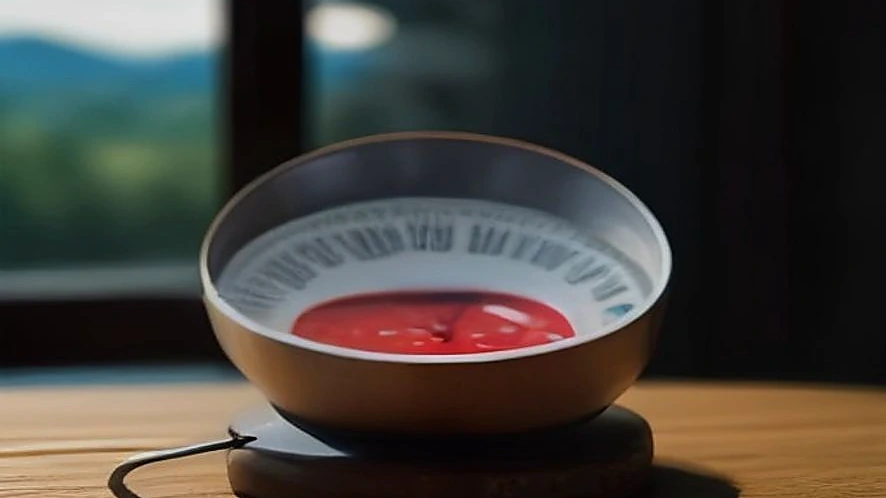
Grill thermometers and instant read thermometers both measure food temperature, but they do so in fundamentally different ways that affect how and when you use them. The main difference lies in whether the thermometer stays in the food during cooking or is used just to check temperature at specific times.
Some links in this post are affiliate links. If you buy through them we may earn a small commission at no extra cost to you — it never changes which products we recommend.
This distinction shapes everything from convenience to accuracy and the type of cooking suited to each. Understanding how each device operates will help you decide which is worth investing in depending on your grilling or cooking habits.
Where each one wins
Grill thermometers are best for long-duration cooking where maintaining a stable temperature matters. Their continuous monitoring means you can adjust heat or cooking time without opening the grill, preserving heat and smoke. This is especially useful for smoking meats or roasting large cuts where doneness develops over hours.
For example, when smoking a brisket, maintaining a steady temperature around 225°F to 250°F for 8 to 12 hours is crucial. A grill thermometer allows you to monitor this precisely without lifting the lid, which could cause heat loss of up to 25°F and extend cooking time significantly. Continuous temperature data also helps prevent overcooking, which can dry out the meat and ruin texture.
Instant read thermometers excel for quick checks to avoid overcooking or undercooking smaller, faster-cooking items like steaks, burgers, or chicken breasts. Their rapid response—often within 2 to 5 seconds—helps you pinpoint the exact moment meat hits the target temperature, such as 130°F for medium-rare steak or 165°F for chicken, ensuring food safety and optimal taste.
Because instant read thermometers are only inserted briefly, they minimize heat loss and do not interfere with cooking. This makes them ideal for grilling or pan-frying where cooking times range from a few minutes to under an hour. They also allow for multiple spot checks across different pieces to ensure even doneness.
If you often cook with precision and need to monitor multiple pieces at once, a grill thermometer with multiple probes might be preferred. These devices can track temperatures in different parts of a large roast or several cuts simultaneously, providing a comprehensive overview. For instance, a 4-probe grill thermometer can monitor the internal temperature of a pork shoulder, the ambient grill temperature, and two other cuts at once, helping manage complex cooks.
Conversely, if you mostly grill or pan-fry quick items and value speed and portability, an instant read is more practical. Its compact size and quick readings mean you can easily carry it around and check temperatures on the fly without being tethered by wires or setup.
Durability and maintenance also differ: grill thermometers with wired probes are designed to withstand high heat but the wires can snag or degrade after repeated use, especially if exposed to direct flames. Instant read thermometers tend to have shorter, sturdier probes and are handheld devices, but they may be less durable if dropped or exposed to moisture.
In summary, grill thermometers provide continuous, reliable data for long cooks, helping maintain consistent results and reduce guesswork, while instant read thermometers offer fast, flexible temperature checks for quicker meals, enhancing control over doneness and food safety.
How construction and sensing methods create different uses
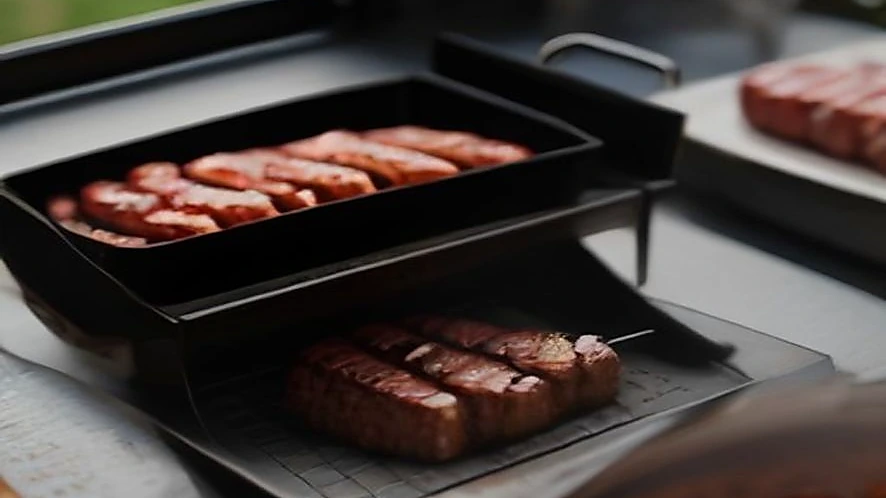
Grill thermometers typically consist of a probe connected by a heat-resistant wire to a digital or analog display unit that remains outside the grill. The probe is inserted into the thickest part of the meat before cooking begins and left there throughout the process. This setup allows for continuous temperature readings without opening the grill lid, preserving heat and smoke levels that are critical for flavor development in barbecue and smoking.
The sensors inside grill thermometer probes are usually thermistors or thermocouples, which change electrical resistance or voltage with temperature. These sensors provide accurate, stable readings but can have a slower response time due to the probe’s mass and insulation. For example, it may take 15 to 30 seconds for the temperature reading to stabilize after a sudden change, which is acceptable for long-duration cooking but less ideal for quick checks.
In contrast, instant read thermometers use smaller, more sensitive probes designed to be inserted briefly into food. They often employ fast-responding thermocouples that provide temperature readings within 1 to 5 seconds. The small probe size reduces thermal mass, allowing quick equilibration with the food’s internal temperature. This rapid feedback is essential when timing is critical, such as flipping a steak at just the right moment.
The design differences also affect the risk of heat loss. Since grill thermometer probes remain inserted for hours, the insertion site can cause minor moisture and heat loss, potentially affecting the cooking environment slightly. However, this is usually negligible compared to the benefits of continuous monitoring. Instant read thermometers avoid this issue by being inserted only momentarily, so there is no sustained disruption to cooking conditions.
Additionally, the physical setup influences user experience. Grill thermometers often come with multiple probes and a base unit that can be placed a few feet away from the grill, sometimes with wireless connectivity for remote monitoring. This allows cooks to multitask or monitor multiple meats simultaneously. However, the wires can get tangled or snagged, requiring care during handling.
Instant read thermometers are handheld and cordless, offering maximum mobility. They are typically battery-powered with digital displays and may include features like backlighting or hold functions to freeze the temperature reading after removal. Their compactness makes them easy to store and carry but limits them to spot checks rather than continuous tracking.
Understanding these construction and sensing differences clarifies why grill thermometers suit long, slow cooks requiring constant oversight, while instant read thermometers are tailored for fast, precise temperature verification during shorter cooking tasks.

| Attribute | Grill thermometer | Instant read thermometer |
|---|---|---|
| Sensor placement | Probe remains inserted in food throughout cooking | Probe inserted briefly to take spot temperature readings |
| Temperature monitoring | Continuous real-time monitoring | Single point-in-time measurement |
| Response time | Slower updates (seconds to minutes) | Fast readings (1–3 seconds) |
| Typical use case | Long cooks like smoking or roasting | Quick checks for doneness on steaks, burgers, etc. |
| Risk of heat loss | Insertion point can cause moisture and heat loss | No heat loss since probe removed immediately |
| Durability | Probes designed for high heat but can degrade, wires can snag | Handheld units can be delicate, probes short and sturdy |
From my kitchen
Once, while smoking a brisket overnight using a grill thermometer, the probe wire snagged on a grill rack while I was checking coals, causing the readout to drop unexpectedly. I almost pulled the brisket too early. Switching to an instant read to double-check the internal temperature saved the cook, since I could quickly measure different parts of the meat without relying solely on the probe that had lost contact.
That experience showed me the value of both devices. The grill thermometer is invaluable for long cooks but it’s not foolproof. Having a reliable instant read on hand prevents surprises and confirms results.
Worth Considering
Best for quick checks: Alpha Grillers Instant Read Meat Thermometer Digital

This instant read thermometer delivers accurate temperatures within seconds, ideal for cooking steaks, burgers, and other fast meals. It’s less suited for long smokes or roasts since it doesn’t monitor continuously.
Brand: Alpha Grillers · Price when checked: $12.31 · Rating: 4.6 out of 5 (17905 ratings)
Pros
- Fast 4-6 second readings
- Compact and portable design
- Good accuracy for spot checks
Cons
- Cannot monitor temperature over time
- Must be manually reinserted for each reading
Best for continuous monitoring: ONFIKY Meat Thermometer Digital, 1-2 Sec Instant Read

With a fast 1-2 second read time and large backlit display, this grill thermometer offers both quick checks and the option to leave the probe in for real-time monitoring. Magnetic storage adds convenience but the wire limits mobility.
Brand: ONFIKY · Price when checked: $9.98 · Rating: 4.5 out of 5 (23,627 ratings)
Pros
- Extremely fast temperature response
- Large, easy-to-read LCD with backlight
- Auto-sleep and long battery life
Cons
- Wire can be cumbersome and prone to snagging
- Less portable for quick spot checks away from grill
When neither grill nor instant read is the right answer
For some cooking styles, especially sous vide or precise oven roasting, a wireless probe thermometer or smart thermometer system may be better. These devices combine continuous monitoring with remote alerts and temperature logging, allowing you to leave the food undisturbed for hours without worrying about wires or manual checks.
If you prefer to multitask away from the grill or need temperature tracking for multiple meats simultaneously, wireless thermometers add value despite their higher cost and complexity. Neither grill nor instant read thermometers offer this level of hands-off convenience and oversight.
Related reading
- The Juiciest Slow Cooker Chicken Breast (Foolproof Recipe!)
- Best Pellet Smokers for Beginners Under $500: Top Picks
- Charcoal grill vs gas grill: key differences explained
Frequently Asked Questions
Can I use an instant read thermometer for smoking meat?
Instant read thermometers are designed for quick spot checks rather than continuous monitoring needed for smoking. To check internal temperature during a long smoke, you must open the smoker repeatedly, causing heat loss and longer cooking times. A grill thermometer with a leave-in probe is better for this as it monitors temperature without opening the lid.
How accurate are grill thermometers compared to instant reads?
Both types can be accurate if calibrated properly, but grill thermometers may lag slightly due to probe wiring and sensor placement. Instant reads offer near-instantaneous response and can be more accurate for spot-checking specific areas, especially for thinner cuts. Calibration and proper probe insertion depth are crucial for both.
Is the wire on grill thermometers a problem?
Wired probes can snag on grill racks or get damaged by high heat if not rated for grilling temperatures. They also limit mobility and require care during handling. While wired probes allow continuous temperature tracking, their physical constraints may be inconvenient for some cooks who prefer the portability of wireless or instant read devices.

Rimi Sultana is a home cook from Bangladesh who has cooked for her family every day for the past five years and writes about it at Smart Cooks. Perpetually testing whether internet-famous recipes actually work in a regular home kitchen. Say hello on Facebook or through the contact page.