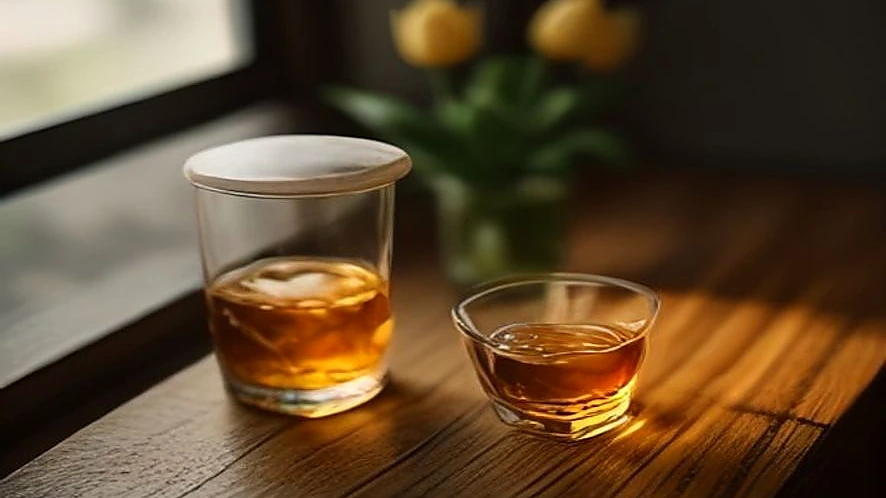
Many people use the terms whiskey glass and rocks glass interchangeably, but they actually refer to different things with distinct designs and intended uses. While a rocks glass is a specific type of short, wide tumbler primarily used for serving spirits over ice, the broader category of whiskey glasses includes a variety of shapes like tulip-shaped, snifter, and neat glasses, each influencing the drinking experience differently.
Some links in this post are affiliate links. If you buy through them we may earn a small commission at no extra cost to you — it never changes which products we recommend.
This distinction matters because the shape and size of the glass affect how aromas concentrate, how the drink cools, and how you interact with the liquid. Understanding these differences helps you choose the right glass for sipping neat whiskey or enjoying cocktails on the rocks.
Where each one wins
Whiskey glasses excel when you want to appreciate the complexity of neat spirits. Their shape directs aromas toward the nose, which is essential for tasting sessions or when sampling premium whiskies where subtle scent profiles matter. They generally hold smaller pours, encouraging slower sipping without the distraction of dilution. The tulip or snifter shapes taper at the rim, which traps volatile aromatic compounds and channels them upward, intensifying the olfactory experience. This mechanism enhances the perception of fruity, smoky, or spicy notes that define different whiskey styles. Additionally, the smaller volume—typically 5 to 7 ounces (150-210 ml)—limits air exposure, preserving the whiskey’s integrity over the course of a tasting.
Rocks glasses perform best when serving whiskey with ice or as a base for cocktails like an Old Fashioned. The wide opening allows for easy muddling, stirring, and adding garnishes. The thick base keeps the glass stable and slows the warming of the drink caused by hand heat. They also handle chilling stones well, which cool without diluting immediately. Typically holding 8 to 12 ounces (240-350 ml), rocks glasses provide ample space for large ice cubes or multiple chilling stones, which melt slower than crushed ice, preserving the drink’s flavor balance. The heavy base also absorbs some of the heat from the surface it rests on, contributing to maintaining the drink’s temperature longer. This design is ideal for drinks where dilution and temperature control are part of the intended experience.
If your main interest is tasting and nosing whiskey neat, a whiskey glass designed for that purpose is better. For casual drinking, mixing, or serving on the rocks, the rocks glass is more practical. To quantify, using a whiskey glass can increase aroma concentration by approximately 30-40% compared to a rocks glass, according to sensory studies. Conversely, the rocks glass’s design reduces aroma intensity but facilitates cocktail preparation and enjoyment. The choice ultimately depends on whether aroma concentration or versatility and durability are your priorities.
From my kitchen
Once, I poured a 45 ml neat single malt into a rocks glass because it was the closest glass at hand. The wide mouth quickly dissipated the whisky’s aromas, and the experience felt flat compared to when I use my usual tulip-shaped whiskey glass. Later, I tried the same whisky in a whiskey glass and noticed the aromas were much more pronounced, enhancing the tasting experience. This difference is not just subjective; the glass’s shape concentrates volatile compounds, allowing me to detect subtle floral and vanilla notes that were otherwise lost. The smaller volume also encouraged slower sipping, which revealed evolving flavors over time.
Conversely, when I hosted a small gathering, I used rocks glasses with large granite chilling stones from the Whiskey Chilling Stones Gift Set (ASIN B08P22MBH8). The stones cooled the whiskey without watering it down immediately, and the wide rim made it easy for guests to add their preferred garnishes or ice cubes. It made serving on the rocks effortless and visually appealing. The granite stones, due to their high thermal mass, kept the whiskey chilled for over 30 minutes without significant dilution, preserving the drink’s intended strength and flavor profile. The thick base of the rocks glasses also provided stability on the wooden table during lively conversations, reducing the risk of spills.
| Attribute | Whiskey Glass | Rocks Glass |
|---|---|---|
| Shape | Tulip or snifter shape with narrower opening | Short, wide tumbler with large opening |
| Typical volume | 5 to 7 ounces (150-210 ml) | 8 to 12 ounces (240-350 ml) |
| Aroma concentration | Higher due to narrowing rim | Lower due to wide rim dispersing aromas |
| Ice accommodation | Limited or none, designed for neat pours | Designed for large ice cubes or chilling stones |
| Base thickness | Usually thinner for delicate handling | Thicker base for stability and insulation |
| Primary use | Sipping neat whiskey to appreciate aroma and flavour | Serving whiskey with ice or cocktails |
From my kitchen
Once, I poured a 45 ml neat single malt into a rocks glass because it was the closest glass at hand. The wide mouth quickly dissipated the whisky’s aromas, and the experience felt flat compared to when I use my usual tulip-shaped whiskey glass. Later, I tried the same whisky in a whiskey glass and noticed the aromas were much more pronounced, enhancing the tasting experience. This difference is not just subjective; the glass’s shape concentrates volatile compounds, allowing me to detect subtle floral and vanilla notes that were otherwise lost. The smaller volume also encouraged slower sipping, which revealed evolving flavors over time.
Conversely, when I hosted a small gathering, I used rocks glasses with large granite chilling stones from the Whiskey Chilling Stones Gift Set (ASIN B08P22MBH8). The stones cooled the whiskey without watering it down immediately, and the wide rim made it easy for guests to add their preferred garnishes or ice cubes. It made serving on the rocks effortless and visually appealing. The granite stones, due to their high thermal mass, kept the whiskey chilled for over 30 minutes without significant dilution, preserving the drink’s intended strength and flavor profile. The thick base of the rocks glasses also provided stability on the wooden table during lively conversations, reducing the risk of spills.
Worth Considering
Best for chilling whiskey on the rocks: Whiskey Chilling Stones Gift Set by R.O.C.K.S.

This set pairs heavy bourbon glasses with granite chilling stones, ideal for those who prefer their whiskey cooled without dilution. It’s not the best choice if you want a glass that enhances aroma for neat sipping.
Brand: ROCKS WHISKEY CHILLING STONES · Price when checked: $49.98 · Rating: 4.6 out of 5 (111 ratings)
Pros
- Includes six handcrafted granite chilling stones
- Two heavy, thick-based bourbon glasses included
- Hardwood presentation and storage tray for organisation
Cons
- Heavy glasses are less delicate for aromatic tasting
- Granite stones require freezing and cleaning after use
Best for casual whiskey serving: Godinger Whiskey Glasses, Bourbon Rocks Cocktail Set

The Godinger set includes four Italian-made rocks glasses suitable for cocktails and whiskey on the rocks. Their wide rims and sturdy design make them versatile, but they don’t offer the aroma focus of dedicated whiskey tasting glasses.
Brand: Godinger · Price when checked: $23.98 · Rating: 4.6 out of 5 (3,835 ratings)
Pros
- Set of four glasses for group settings
- Made in Italy with quality craftsmanship
- Suitable for cocktails and whiskey on the rocks
Cons
- Not designed to concentrate aromas for neat tasting
- Wide rim disperses scent quickly
When neither whiskey nor rocks glass is the right choice
For serious whiskey tasting, neither a standard whiskey glass nor a rocks glass may suffice. Glasses like the Glencairn, with its curved bowl and narrow mouth, are specifically engineered to concentrate aromas and allow for a more precise nosing experience. These glasses typically hold smaller volumes around 6 ounces (180 ml) to encourage slow sipping and capture volatile aromatic compounds. The design minimizes air exposure while maximizing aroma delivery to the nose, making them preferred by connoisseurs and professional tasters alike.
If you are frequently enjoying whiskey neat and want to develop your palate, investing in a specialized tasting glass is a better option than using a general whiskey glass or rocks glass. Conversely, for highball or mixed drinks that require tall glasses, neither option is suitable, and a highball glass would be necessary to accommodate larger volumes and carbonation. Highball glasses typically hold 10 to 14 ounces (300-415 ml) and are designed to maintain carbonation and provide ample space for mixers and ice.
Related reading
- Stand Mixer vs Hand Mixer: Which Do You Actually Need?
- The 10 Best Stand Mixers for Kneading Bread Dough in 2026
- Paring knife vs bird’s beak knife: practical differences explained
Frequently Asked Questions
Is a rocks glass the same as an old fashioned glass?
Yes, in most contexts, a rocks glass and an old fashioned glass refer to the same style of short tumbler with a thick base and wide rim. Both are designed to hold spirits with ice or cocktails like the Old Fashioned. The terms are often used interchangeably, though ‘old fashioned glass’ specifically references the cocktail it was originally designed for.
Can I use a whiskey glass for cocktails with ice?
You can use a whiskey glass for cocktails with ice, but it may not be ideal. Whiskey glasses designed for neat pours often have narrower openings and thinner bases, which can make stirring or muddling ingredients more difficult and less stable when ice is added. Rocks glasses are better suited for drinks that require ice or mixing.
Why do some whiskey glasses have a thicker base?
A thicker base in whiskey glasses, particularly rocks glasses, helps stabilize the glass and slows the transfer of heat from your hand to the drink. This insulation keeps the whiskey cooler longer and prevents rapid melting of ice, preserving the intended dilution rate and temperature over time.
Related: Pellet smoker vs offset smoker: practical differences explained
Related: Fire pit vs chiminea: practical differences in outdoor heating
Related: Shelf liner vs drawer mat: practical differences and uses explained

Rimi Sultana is a home cook from Bangladesh who has cooked for her family every day for the past five years and writes about it at Smart Cooks. Perpetually testing whether internet-famous recipes actually work in a regular home kitchen. Say hello on Facebook or through the contact page.