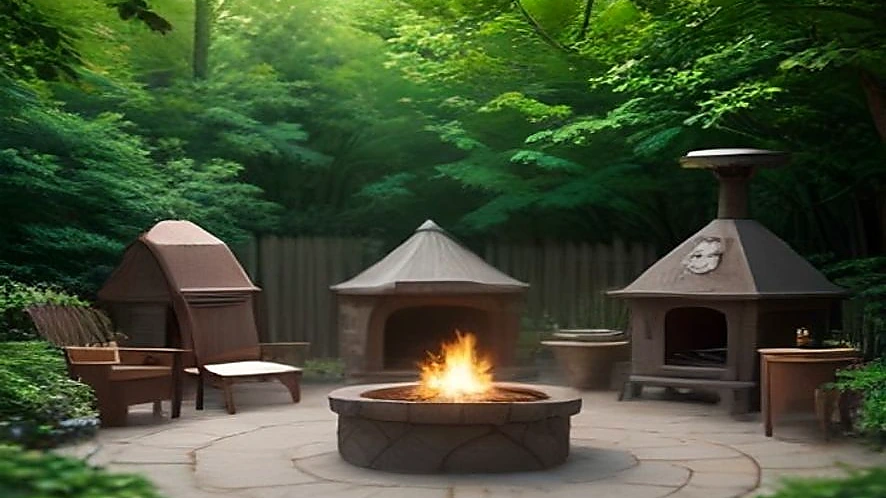
Fire pits and chimineas are two popular types of outdoor heating, but they differ significantly in design and function. This comparison focuses on key mechanical and practical differences rather than general claims about warmth or aesthetics.
Some links in this post are affiliate links. If you buy through them we may earn a small commission at no extra cost to you — it never changes which products we recommend.
The main divergence lies in how each appliance contains and radiates heat. Fire pits are open, allowing heat and smoke to spread in all directions, while chimineas channel flames upward through a chimney, concentrating heat and smoke flow. These differences affect their suitability for various backyard settings and activities.
Where each one wins
Fire pits excel when you want an open fire experience that allows people to gather around and enjoy the warmth from all sides. They are more versatile for cooking directly over flames or using grills. Their openness can foster a traditional campfire atmosphere but requires more attention to smoke direction depending on wind.
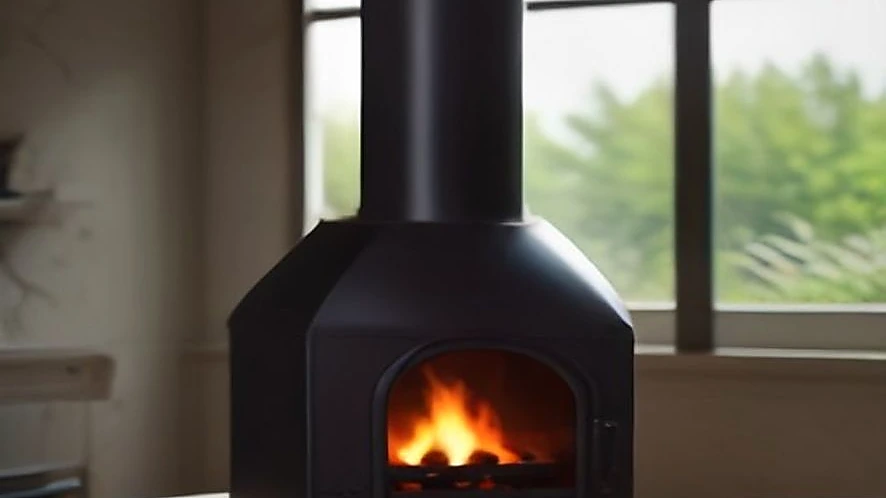
Chimineas are superior in settings where smoke management matters, such as smaller patios or areas near walls. The chimney draws smoke upward, making for a more comfortable seating area with less smoke irritation. They also tend to be more fuel-efficient due to the chimney draft encouraging cleaner combustion. However, their upright design limits how many people can gather close and restricts cooking options.
Delving deeper into heat distribution, fire pits radiate heat in a roughly 360-degree pattern, which means warmth disperses evenly around the pit. This can heat a larger area and accommodate multiple people around it, but the heat intensity decreases with distance, typically effective within a 6 to 8-foot radius. The open design also means heat loss to the sky, reducing overall efficiency.
Chimineas, by contrast, focus heat forward and upward through their chimney design. The enclosed fire chamber traps heat, and the chimney draft pulls air through, increasing combustion temperature. This results in more concentrated warmth directed toward the seating area in front, often felt strongly within 4 to 6 feet. The chimney also reduces sideways heat loss, making chimineas more efficient in smaller, confined spaces.
Regarding smoke control, fire pits disperse smoke freely, which can be a nuisance depending on wind direction. This can lead to discomfort for guests if smoke blows directly toward seating areas, and it can also contribute to air quality issues in dense neighborhoods. Chimineas’ chimney design channels smoke upward, minimizing sideways smoke drift and reducing irritation.
Fuel consumption also differs significantly. Studies and user data suggest chimineas can be 20-30% more fuel-efficient than open fire pits due to better airflow and combustion. This means less wood is needed for the same heat output, reducing cost and environmental impact. However, chimineas require dry, seasoned wood to maintain clean burning and avoid chimney clogging.
Safety considerations are important too. Fire pits, with their open flames, pose a higher risk of sparks and embers escaping, especially in windy conditions. This requires careful placement away from flammable materials and constant supervision. Chimineas, with enclosed chambers and chimneys, contain embers better, though the chimney top can still emit sparks that require caution.
In terms of maintenance, fire pits often require more frequent cleaning of ash and soot buildup, and their metal or stone materials can degrade over time from exposure to heat and weather. Clay chimineas are prone to cracking if exposed to moisture or rapid temperature changes, though steel chimineas offer improved durability. Regular inspection and cleaning of the chimney are necessary to prevent blockages and maintain airflow.
From my kitchen
Once, I arranged a small gathering on a windy evening and set up a chiminea in the corner of our patio. Initially, I underestimated how the chimney would direct smoke upwards but also slightly forward, which caused a small plume to drift toward the seating. I repositioned the chiminea a few feet away and rotated it; this adjustment reduced smoke exposure significantly. On another occasion, trying to cook sausages directly over the chiminea proved frustrating since the flames were not easily accessible. Switching to the fire pit made cooking straightforward but required moving guests to avoid smoke on breezy nights.
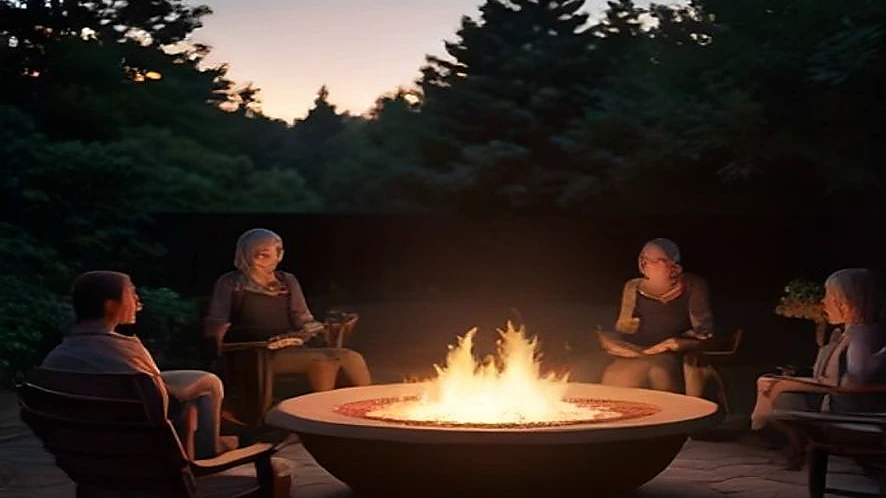
In terms of heat output, the chiminea provided a steady, focused warmth that was comfortable for a small group seated nearby, but the fire pit’s open design created a more social atmosphere as people could circle around freely. The fire pit’s ability to accommodate grill grates also made it ideal for cooking larger quantities of food, such as kebabs and foil packets. However, the open flames meant more vigilance was necessary to manage sparks and shifting smoke, especially with changing wind.
Fuel consumption was noticeably different; the chiminea burned wood more efficiently, requiring fewer logs over the course of the evening. The chimney draft helped maintain a hotter, cleaner burn, reducing smoke and ash. Conversely, the fire pit consumed more wood and produced more smoke, but the ambiance of the open fire often outweighed these drawbacks for guests. Both devices required ash removal after use, but the chiminea’s enclosed chamber made cleanup more contained.
Overall, my experiences highlighted that the choice between a fire pit and chiminea hinges on your priorities—whether you value cooking versatility and social interaction or smoke control and fuel efficiency. Environmental factors like wind and space constraints also play critical roles in determining which is best suited for your outdoor setting.
| Feature | Fire pit | Chiminea |
|---|---|---|
| Heat distribution | Radiates heat in all directions around the pit | Directs heat upward and frontward through a chimney |
| Smoke control | Smoke disperses freely in all directions | Chimney channels smoke upward, reducing sideways smoke |
| Fuel type | Wood, charcoal, sometimes gas | Primarily wood; some models use propane |
| Material durability | Metal or stone with variable heat retention | Clay prone to cracking; steel models resist cracking better |
| Portability | Often heavier and bulkier; some portable designs exist | Generally lighter but taller, easier to move depending on design |
| Cooking capability | Easier to cook over open flames or with grills | Limited cooking, usually restricted to warming or roasting |
From my kitchen
Once, I arranged a small gathering on a windy evening and set up a chiminea in the corner of our patio. Initially, I underestimated how the chimney would direct smoke upwards but also slightly forward, which caused a small plume to drift toward the seating. I repositioned the chiminea a few feet away and rotated it; this adjustment reduced smoke exposure significantly. On another occasion, trying to cook sausages directly over the chiminea proved frustrating since the flames were not easily accessible. Switching to the fire pit made cooking straightforward but required moving guests to avoid smoke on breezy nights.
Worth Considering
Best for wood-burning ambiance: Ferrochef 70 Inch Country Outdoor Chiminea

This heavy-duty steel chiminea offers a reliable wood-burning experience with straightforward assembly. Its chimney design channels smoke upwards, which suits patios where smoke control is important. Not ideal if you want to cook over an open fire or gather around from all sides.
Brand: Ferrochef · Price when checked: $329.99 · Rating: 4.5 out of 5 (312 ratings)
Pros
- Durable steel construction resists cracking
- Simple assembly with included screws
- Good smoke management via chimney design
Cons
- Limited open fire area restricts cooking options
- Chimney can direct smoke unpredictably depending on wind
Best for adjustable, clean-burning heat: Cuisinart Propane Chimenea Fire Pit

This propane chimenea provides up to 40,000 BTUs with adjustable heat and a push-start ignition. It includes lava rocks to improve heat distribution and a reflector to direct warmth forward. Suitable for users wanting a low-maintenance, smokeless heat source with stable construction. Not for wood fire purists or those wanting cooking versatility.
Brand: Cuisinart · Price when checked: $449.99 · Rating: 4.2 out of 5 (2,429 ratings)
Pros
- Adjustable 40,000 BTU propane heat output
- Heat reflector directs warmth forward
- Push-to-start ignition and lava rocks for heat distribution
Cons
- Requires propane tank, limiting fuel choice
- Less authentic wood fire experience
When neither a fire pit nor a chiminea is right
Neither a fire pit nor a chiminea suits every outdoor heating need. For compact urban spaces with strict safety or smoke regulations, electric or infrared patio heaters may be safer and less maintenance-intensive. These alternatives avoid open flames and smoke altogether, allowing year-round use without fuel storage concerns. Similarly, in windy or heavily wooded areas prone to fire risk, local codes may restrict open fires, making gas or electric heaters the only viable option. Choosing the right outdoor heating depends on space constraints, fuel availability, and local regulations.
Related reading
- Colander vs Strainer: Understanding the practical kitchen differences
- Egg boiler vs stovetop: practical differences in egg cooking
- Egg pan vs frying pan: practical differences for cooking eggs
Frequently Asked Questions
Can you cook food on a chiminea?
You can cook small items like marshmallows or chestnuts over a chiminea, but its design is not ideal for grilling or cooking larger quantities. The fire chamber is enclosed with a chimney directing flames upward, limiting access to open flames. Fire pits with an open bowl are better suited for cooking, allowing direct contact with flames or adding grill grates.
Which is safer in windy conditions, a fire pit or chiminea?
A chiminea is generally safer in moderate wind because its chimney contains flames and directs smoke upward, reducing sideways sparks. However, strong winds can still cause smoke or embers to blow unexpectedly. Fire pits, being open, expose flames more directly to wind, increasing risk of embers spreading. Always position either away from flammable materials and monitor wind conditions.
How does the chimney affect fuel efficiency in a chiminea?
The chimney on a chiminea creates a draft that pulls air through the fire chamber, promoting more complete combustion. This means fuel burns hotter and cleaner, improving efficiency compared to an open fire pit where airflow is less controlled. The chimney helps maintain a steady flame and reduces smoke, so you use less wood for the same heat output.

Rimi Sultana is a home cook from Bangladesh who has cooked for her family every day for the past five years and writes about it at Smart Cooks. Perpetually testing whether internet-famous recipes actually work in a regular home kitchen. Say hello on Facebook or through the contact page.