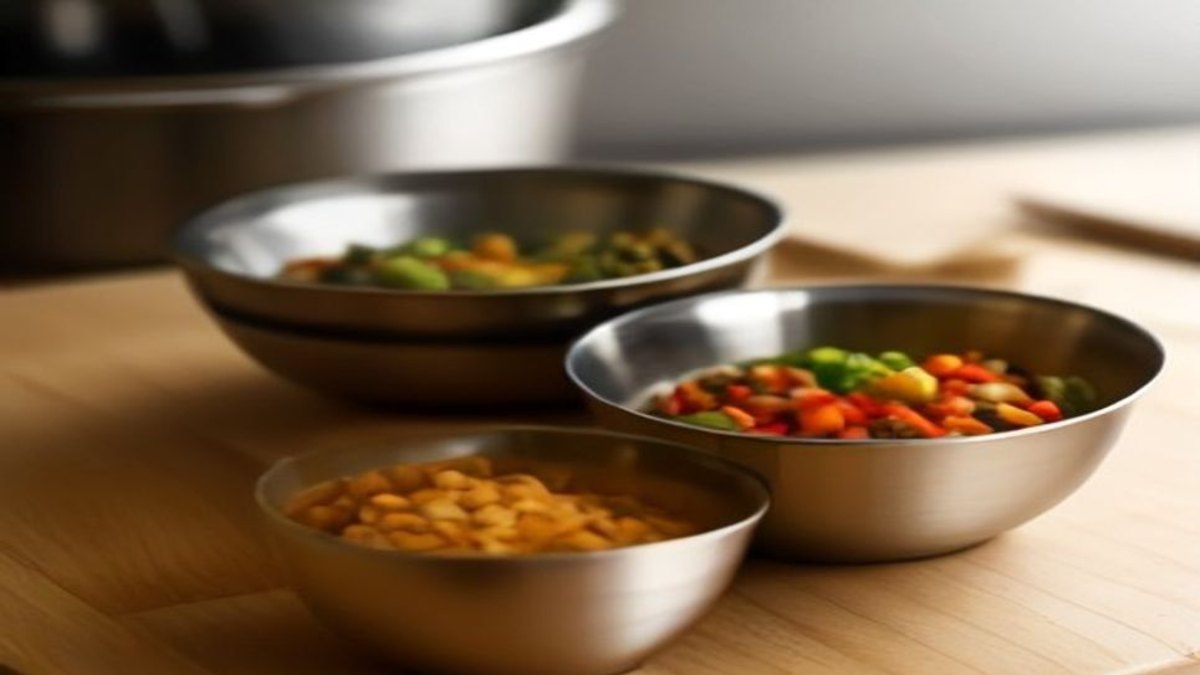
Many cooks use the terms mixing bowls and prep bowls interchangeably, but they are designed with distinct purposes in mind. Mixing bowl sets typically include a range of sizes intended for combining ingredients, while prep bowls focus on holding measured or chopped components during recipe assembly. Understanding what separates these categories helps avoid frustration and unnecessary purchases.
Some links in this post are affiliate links. If you buy through them we may earn a small commission at no extra cost to you — it never changes which products we recommend.
This article breaks down the fundamental differences in design, materials, and sizing between mixing bowl sets and prep bowls. You’ll learn how those factors affect performance in tasks such as mixing dough, marinating, or mise en place. Being precise about these differences will improve your workflow and storage decisions.
Where each one wins
Mixing bowl sets excel when you need volume and durability. Their shape allows thorough mixing without spillover, which is essential for doughs, sauces, and batters requiring vigorous blending. The thicker materials resist warping and handle temperature changes well, useful for chilling dough or holding warm mixtures briefly.
For example, a typical mixing bowl can range from 1 quart (approximately 0.95 liters) to 5 quarts (4.7 liters), allowing ample space for mixing large batches. The sloped sides facilitate folding and whisking, reducing ingredient spillage. Materials like stainless steel with thickness around 0.6 mm or more provide robustness under heavy use, while glass or ceramic bowls often have thicker walls to retain temperature. This durability means mixing bowls can withstand repeated exposure to cold from refrigeration or heat from warm ingredients without cracking or warping.
Prep bowls shine in mise en place tasks where organisation and accessibility matter most. Their smaller size prevents wasted space and makes it easier to portion ingredients before cooking. They are also easier to transport to the stove or table for adding ingredients incrementally. When you need to limit cleaning or store leftovers in the same bowl, prep bowls with lids are more practical.
Typically ranging from 1/2 cup (120 ml) to 2 cups (480 ml), prep bowls are designed for holding chopped vegetables, spices, or garnishes. Their shallow, wide shape allows quick access with spoons or fingers, speeding up cooking prep. The thinner materials, often plastic or lightweight stainless steel about 0.3 mm thick, keep them light and easy to handle. Many sets include lids that seal tightly, enabling ingredient storage in the fridge without additional containers. This convenience reduces cleanup and keeps ingredients fresh, especially during longer cooking sessions.
How design and size determine function
The design differences between mixing bowl sets and prep bowls are rooted in their intended functions. Mixing bowls are deeper with sloped sides, which help contain ingredients during vigorous stirring or folding. This is especially important when working with sticky doughs or runny batters where spillover can cause mess and waste. The larger size range—from about 1 quart to 5 quarts—accommodates recipes for anything from small batches of pancake batter to large bread doughs.
In contrast, prep bowls are shallow with wide openings, designed for ease of access rather than containment. Their smaller size suits measured ingredients or small amounts of chopped food, facilitating mise en place — the practice of organizing and arranging ingredients before cooking. This design allows cooks to quickly add ingredients to pans or bowls without fumbling or spilling.
Material thickness also plays a role in performance. Mixing bowls often use thicker stainless steel, glass, or ceramic to withstand mechanical forces during mixing and to retain temperature. For instance, a stainless steel mixing bowl with a thickness of 0.6 to 0.8 mm can resist dents and warping from repeated use. Prep bowls, on the other hand, prioritize lightness and stackability, using thinner plastic or metal materials around 0.3 mm thick. This makes them easy to handle and store but less suited to heavy-duty mixing.
Temperature resistance is another consideration. Mixing bowls are designed to tolerate hot or cold ingredients, making them suitable for chilling dough or warming sauces. Prep bowls typically handle room temperature ingredients and are not recommended for heating or cooling tasks. This difference affects how you use each bowl type during cooking and storage.
| Attribute | Mixing bowl set | Prep bowls |
|---|---|---|
| Typical size range | 1 to 5 quarts (1 to 5 litres) | 1/2 cup to 2 cups (120 to 480 ml) |
| Shape | Deeper with sloped sides to contain ingredients | Shallow with wide openings for easy access |
| Material thickness | Thicker steel, glass, or ceramic to withstand mixing forces | Thinner plastic, ceramic, or glass prioritising lightness |
| Common uses | Mixing batters, doughs, marinating | Holding chopped ingredients, spices, garnishes |
| Stacking and storage | Often nested but bulky due to size | Compact stacking, often with lids for storage |
| Temperature resistance | Designed for heat retention and cold chilling | Usually room temperature use, less thermal mass |
From My Kitchen
Once I tried to marinate a whole chicken in a shallow prep bowl I had on hand, expecting it to double as a mixing bowl. The marinade spilled over the sides when I tried to turn the chicken to coat it evenly. I switched to a deeper stainless steel mixing bowl from a Viking Mixing Bowls Set, which comfortably fitted the bird and held the liquid without spillage. The non-slip silicone base kept it steady while I worked. This saved me the mess and meant the marinade fully coated the chicken.
This experience highlights the importance of bowl depth and volume. The Viking Mixing Bowls Set includes bowls up to 5 quarts, providing ample space for marinating large items and mixing thick doughs. The silicone base, about 3 mm thick, prevents slipping on countertops, enhancing safety during vigorous mixing. In contrast, prep bowls, with their shallow depth of around 2 inches, are better suited for holding small amounts of prepped ingredients rather than handling large, heavy food items.
Worth Considering
Best for heavy mixing and marinating: Viking Mixing Bowls Set

This 10-piece stainless steel mixing bowl set includes non-slip silicone bases and tight-fit lids, making it ideal for mixing batters, doughs, and marinating. It’s dishwasher safe and offers a range of sizes from small to large, but the larger bowls may be cumbersome in very small kitchens.
Brand: 4.6 4.6 out of 5 stars · Price when checked: $79.99 · Rating: 4.7 out of 5 (3361 ratings)
Pros
- Non-slip silicone base prevents movement during mixing
- Tight-fit lids allow for storage and marinating
- Durable stainless steel resists dents and temperature changes
Cons
- Larger bowls can be bulky to store
- Heavier than plastic or ceramic prep bowls
Best for ingredient prep and organisation: Mixing Bowls with Lids Set by DUTZUN

This stainless steel prep bowl set comes with lids and includes a colander, catering to mise en place and small batch rinsing. It’s lightweight and easy to stack, but the smaller capacities limit use for large volume mixing or kneading tasks.
Brand: DUTZUN · Price when checked: $27.95 · Rating: 4.4 out of 5 (1,403 ratings)
Pros
- Compact sizes suited to pre-measured ingredients
- Includes colander for washing small items
- Lids make them suitable for storage
Cons
- Not deep or large enough for mixing thick batters or doughs
- Thinner steel less durable for heavy use
When neither mixing bowl sets nor prep bowls are the right answer
Some cooking tasks require specialised containers beyond mixing or prep bowls. For example, if you need to proof bread dough, you might prefer a fermentation container with a lid designed to trap humidity and allow expansion. Similarly, for whipping cream or egg whites, a glass or metal bowl with a very smooth interior surface is better to encourage volume increase. In situations where heat source compatibility is essential, such as melting chocolate over a double boiler, a heatproof glass or metal bowl sized to fit securely on a pot is necessary, and neither a standard mixing nor prep bowl may suffice.
Related reading
- Best Measuring Spoons: Top Picks for Every Kitchen
- OXO Pop containers vs Prokeepers for flour and sugar: Which Is Better?
- Snack Storage Containers: What Actually Matters
Frequently Asked Questions
Can I use prep bowls for mixing dough?
Prep bowls are usually too small and shallow for mixing dough effectively. Dough requires space to stretch and fold without spilling. Mixing bowls typically offer larger volumes and deeper sides, which contain flour dust and sticky mixtures during vigorous mixing or kneading. Using a prep bowl for dough often leads to mess and inefficient mixing.
Are stainless steel mixing bowls better than glass for prep bowls?
Stainless steel bowls are more durable and lighter than glass, making them suitable for mixing tasks that involve force. However, glass prep bowls offer the advantage of being non-reactive and microwave-safe, which can be useful for warming ingredients. For small prep bowls, glass or ceramic is often preferred for ease of cleaning and stability, while stainless steel is better for mixing.
Do prep bowls usually come with lids?
Many prep bowl sets include lids, which help with ingredient storage and organisation during cooking. Lids can keep pre-chopped ingredients fresh and allow for stacking in the fridge. Mixing bowl sets may also have lids but are often designed more for marinating or storing larger quantities.

Rimi Sultana is a home cook from Bangladesh who has cooked for her family every day for the past five years and writes about it at Smart Cooks. Perpetually testing whether internet-famous recipes actually work in a regular home kitchen. Say hello on Facebook or through the contact page.