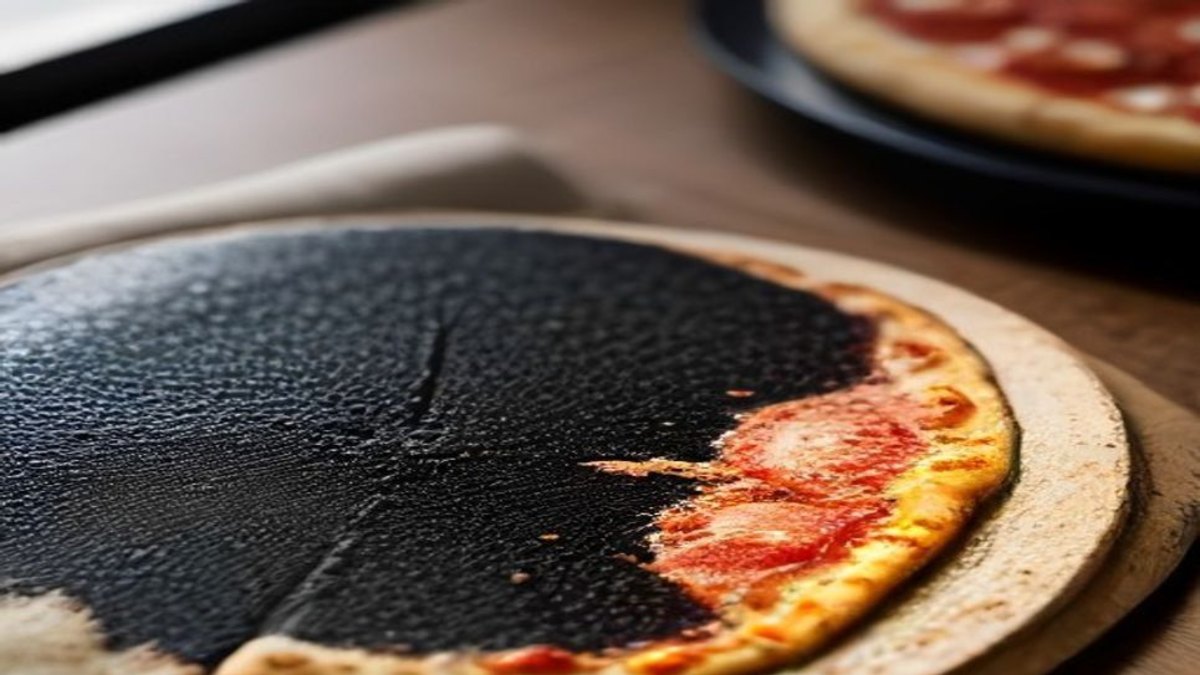
Pizza stones and pizza steels are common tools for home pizza makers aiming for a crisp crust. Although they share the goal of baking pizza with a well-cooked base, they differ substantially in material and heat conduction properties, which affect cooking times and crust texture.
Some links in this post are affiliate links. If you buy through them we may earn a small commission at no extra cost to you — it never changes which products we recommend.
Understanding these differences means recognising how each surface interacts with your oven’s heat source. This allows you to choose the right tool depending on your oven type, pizza style, and cleaning preferences.
Where each one wins
Pizza steel excels when you want a fast bake and a crisp, blistered crust similar to high-temperature wood-fired ovens. Its rapid heat transfer is ideal for thin-crust pizzas and when cooking at home ovens set around 500°F to 550°F (260°C to 290°C). Steel’s durability means it won’t crack and is easy to clean after seasoning.
Pizza stone is better when you’re baking thicker crusts or bread where a slower, gentler heat helps avoid burning the bottom while cooking the interior thoroughly. Stones are also preferred if you want a non-metal surface that doesn’t require seasoning. They distribute heat more evenly in ovens with fluctuating temperatures, useful in some gas grills or older ovens.
The mechanism behind these differences lies in their thermal properties. Steel has a thermal conductivity of about 50 W/m·K, which is roughly 15 times greater than that of typical ceramic stones (around 3 W/m·K). This means steel can transfer heat to the pizza dough much faster, resulting in a quicker bake time and a crust that crisps up rapidly. For example, a steel can reach cooking temperature in 10-15 minutes, whereas a stone typically requires 30-45 minutes to fully heat through. This rapid heat transfer from steel can produce a crust with characteristic leopard spotting and charring similar to professional pizza ovens.
On the other hand, pizza stones absorb and store heat more gradually, releasing it evenly over time. This slower heat transfer is beneficial for baking thicker doughs or bread, as it reduces the risk of burning the bottom before the interior is cooked. The stone’s porous ceramic material also absorbs moisture from the dough, contributing to a drier, crispier crust texture. However, this porosity makes stones more fragile and prone to cracking under thermal shock or if dropped.
Durability is another key difference. Steel’s metal composition makes it highly resistant to cracking and warping, even under repeated high-temperature use. Stones, being ceramic, can crack if exposed to rapid temperature changes or physical impact. Maintenance also differs: steels require seasoning with oil to develop a rust-resistant layer and prevent sticking, while stones need careful cleaning to avoid absorbing oils and moisture which can cause staining or odors.
In terms of cooking versatility, steel’s fast response to temperature changes allows for excellent searing and crisping not only for pizzas but also for other foods like steaks or flatbreads. Stones provide a gentler, more stable heat environment, making them suitable for baking cookies, bread loaves, and casseroles where even heat distribution is critical.
The consequences of choosing the wrong surface can affect your baking results significantly. Using a stone for thin-crust pizzas may lead to longer bake times and less blistering, while using steel for thick doughs may cause burnt bottoms before the interior is fully cooked. Understanding these nuances helps tailor your baking approach to the pizza style and oven you use.
Performance considerations and practical tips
Preheating is critical for both stones and steels but varies due to their thermal properties. Stones require longer preheating — typically 30 to 45 minutes at 500°F (260°C) — to ensure the entire mass reaches a stable temperature. Steels heat up faster, usually ready in 15 to 20 minutes, but still need sufficient time to store enough heat for effective baking. Insufficient preheating can lead to uneven cooking and soggy crusts.
Weight and handling also influence user experience. Pizza steels tend to be heavier due to their dense metal composition, which can make them harder to maneuver but also more stable on oven racks. Stones are lighter but fragile, and dropping or rapid temperature changes can cause cracks that ruin the baking surface.
Maintenance routines differ: steel requires seasoning with high-smoke-point oils to create a protective patina that prevents rust and improves non-stick properties. Cleaning involves scraping off food residues and wiping with a cloth; soap should be avoided as it can strip seasoning. Stones are porous and absorb oils and moisture, so cleaning involves scraping and wiping with a damp cloth without soap to avoid damage. Stones should never be soaked or exposed to thermal shock.
In terms of oven compatibility, steels perform well in gas grills and ovens with fluctuating temperatures due to their quick heat response. Stones work better in electric ovens or older gas ovens where heat distribution is less consistent, as their heat retention smooths out temperature variations.
From a safety perspective, both materials become extremely hot and require oven mitts or heat-resistant gloves for handling. Placing either on a cold oven rack can cause thermal shock; it’s best to place them on a preheated rack or use a baking sheet underneath for stability.
Understanding these performance factors and practical tips can enhance your baking outcomes and prolong the lifespan of your pizza stone or steel.
| Attribute | Pizza steel (siraat Titanium Pizza Steel) | Pizza stone (Masterbuilt Gravity Series Ceramic Pizza Stone) |
|---|---|---|
| Material composition | High-carbon steel with titanium hammer finish | Ceramic pizza stone with porcelain-coated exterior and stainless steel interior |
| Thermal conductivity | High (steel transfers heat rapidly) | Low to moderate (stone absorbs and releases heat slowly) |
| Heating time | Reaches cooking temperature faster (minutes) | Takes longer to heat through (typically 30+ minutes) |
| Weight and handling | Heavier and more durable, less prone to cracking | Lighter but fragile, may crack or break if dropped |
| Cooking versatility | Excellent for pizza and searing; reacts quickly to temperature changes | Better for baking bread, cookies, and slow heat distribution |
| Maintenance | Requires seasoning to prevent rust | More porous, absorbs moisture and can stain, needs careful cleaning to avoid cracking |
From My Kitchen
I once tried baking a Neapolitan-style pizza on a pizza stone in my home oven preheated to 500°F (260°C). The crust came out unevenly cooked: the edges crisped nicely but the centre underneath remained slightly doughy after the standard 7-minute bake time. Switching to a pizza steel, which I seasoned beforehand, resolved this issue. The steel’s rapid heat transfer crisped the base within 5 minutes without burning the top. That day taught me that the steel’s ability to reach and sustain high temperature at the surface is crucial for authentic thin-crust pizza.
This experience highlighted the importance of thermal conductivity and heat retention in pizza baking. The steel’s ability to transfer heat quickly meant the dough’s bottom reached the Maillard reaction temperature (around 300°F or 150°C) faster, producing that desirable golden-brown crust with slight charring. Meanwhile, the stone’s slower heat transfer left the centre dough undercooked, as the heat did not penetrate quickly enough within the short bake time. This also underscores why preheating duration and oven temperature settings are critical variables to consider when choosing your baking surface.
Worth Considering
Best for fast high-heat cooking: siraat Titanium Pizza Steel

This pizza steel suits home cooks who want rapid heat transfer and a reliable, durable baking surface. It is ideal for thin-crust pizzas and quick cooking at 500°F–550°F (260°C–290°C). Not recommended if you prefer a no-maintenance stone or bake primarily bread or cookies.
Brand: siraat · Price when checked: $149.00 · Rating: 4.5 out of 5 (203 ratings)
Pros
- High thermal conductivity for fast, crisp crusts
- Durable steel construction resistant to cracking
- Hammered titanium surface aids in non-stick performance after seasoning
Cons
- Requires seasoning to prevent rust
- Heavier and less portable than stone
Best for versatile baking and gentler cooking: Masterbuilt Ceramic Pizza Stone

This ceramic pizza stone excels in ovens where steady, even heat is needed for a range of baked goods including bread and cookies, not just pizza. It is useful if you want a non-metal, easier-to-clean surface without seasoning. Less suited for very fast cooking or thin-crust pizza requiring intense bottom heat.
Brand: Masterbuilt · Price when checked: $197.00 · Rating: 4.5 out of 5 (1,287 ratings)
Pros
- Porcelain-coated exterior for easier cleaning
- Compatible with baking cookies, bread, lasagna as well as pizza
- Allows 360° airflow for consistent baking without rotating
Cons
- Fragile and prone to cracking if dropped or thermal shock occurs
- Takes longer to preheat (30+ minutes)
When neither pizza stone nor steel is the right choice
If your oven struggles to reach or maintain 500°F (260°C), neither pizza stone nor steel will perform optimally. Both require high temperatures to transfer heat effectively and produce a good crust. In such cases, a dedicated countertop pizza oven with built-in high-powered heating elements, or a cast iron pan used on the stovetop, might offer better results.
Additionally, if you bake very thick, deep-dish pizzas or pizzas with heavy toppings, using a baking sheet or specialised pan designed for that style is preferable. The steel or stone cannot distribute heat evenly through very thick dough plus toppings, which may leave the interior undercooked and the base burnt.
Finally, if cleaning and maintenance are critical concerns, a non-porous steel surface might require less overall care than stone, but steel needs seasoning and rust prevention. If you want a fully hands-off surface, consider alternatives like non-stick pizza pans.
Related reading
- The 10 Best Oven Mitts of 2026 (Tested and Reviewed)
- Bench Scraper vs Dough Cutter: Which Do You Need?
- Soup Recipes Abiotic Factors
Frequently Asked Questions
Do I need to preheat a pizza stone or steel differently?
Yes. Pizza stones, made from ceramic or cordierite, require longer preheating—usually 30 to 45 minutes at 500°F (260°C)—to fully absorb and distribute heat evenly. Pizza steels heat up faster due to steel’s higher thermal conductivity and can be ready in about 15 to 20 minutes at the same temperature. Proper preheating ensures the surface stores enough heat to cook the pizza crust effectively.
How do I clean and maintain a pizza steel compared to a pizza stone?
Pizza steels need to be seasoned with oil like cast iron to create a rust-resistant coating and prevent sticking. After use, clean with a scraper or cloth; avoid soap which can remove seasoning. Pizza stones are porous and absorb oils and moisture; they should be cleaned by scraping off food residues and wiping with a damp cloth without soap to avoid damage. Stones can crack if exposed to rapid temperature changes or soaking.
Will a pizza steel or stone work better in a gas grill?
Pizza steels generally perform better in gas grills because their high thermal conductivity reacts quickly to the grill’s direct heat, producing a crisper crust faster. Stones can absorb moisture and may crack from uneven heating or thermal shock common in grills. However, stones offer gentler heat distribution if the grill maintains steady temperature and you want to bake bread or delicate items.

Rimi Sultana is a home cook from Bangladesh who has cooked for her family every day for the past five years and writes about it at Smart Cooks. Perpetually testing whether internet-famous recipes actually work in a regular home kitchen. Say hello on Facebook or through the contact page.