
Opening jars can be a challenging task, especially when lids are stuck or when hand strength is limited. Two common tools designed to assist with this task are rubber grips and jar openers. These tools rely on different physical principles and construction that affect their effectiveness and user experience.
Some links in this post are affiliate links. If you buy through them we may earn a small commission at no extra cost to you — it never changes which products we recommend.
Understanding these differences helps decide which is better suited for your kitchen, especially if you have weak hands or arthritis. Neither solution is universally best — the choice depends on the lid type, grip strength, and how much leverage you need.
Where each one wins
Rubber grips excel when you have a reasonable amount of hand strength but struggle with slippery or greasy lids. Their thin, flexible design fits easily around various lid sizes and can be used spontaneously without setup. They are also easier to clean, requiring only hand washing with warm soapy water.
The mechanism behind rubber grips is based on increasing the coefficient of friction between your hand and the jar lid. Typical rubber grip pads have a textured surface that conforms slightly to the lid’s shape, increasing contact area and reducing slippage. For example, a standard rubber grip can increase frictional force by up to 30-50% compared to bare hands, depending on the material and condition of the lid.
Jar openers are more effective when hand strength is significantly reduced due to arthritis, injury, or age. Their mechanical advantage means less force is needed to twist off stubborn lids. They can also handle very tight or vacuum-sealed jars that a rubber grip alone might not open. However, their size and complexity mean they aren’t as convenient to use for quick, light tasks.
The typical jar opener uses a clamping mechanism combined with a lever or gear system to multiply the torque applied by the user. For instance, a lever jar opener with a 3:1 mechanical advantage means that the force you apply is tripled at the lid, reducing the necessary hand force by approximately 66%. This can be critical for users with limited grip strength or painful joints.
In terms of consequences, choosing the right tool can significantly reduce the risk of hand strain or injury. Using only hand strength on stubborn lids can cause discomfort or exacerbate conditions like arthritis. Conversely, relying solely on rubber grips for very tight lids may lead to frustration and wasted effort, while jar openers provide a more controlled and efficient solution.
Storage considerations also affect usability. Rubber grips, being thin and flexible, can be stored easily in drawers or hung on hooks, making them readily accessible for everyday use. Jar openers, due to their bulkier design and moving parts, require more storage space and occasional maintenance to ensure smooth operation and longevity.
From my kitchen
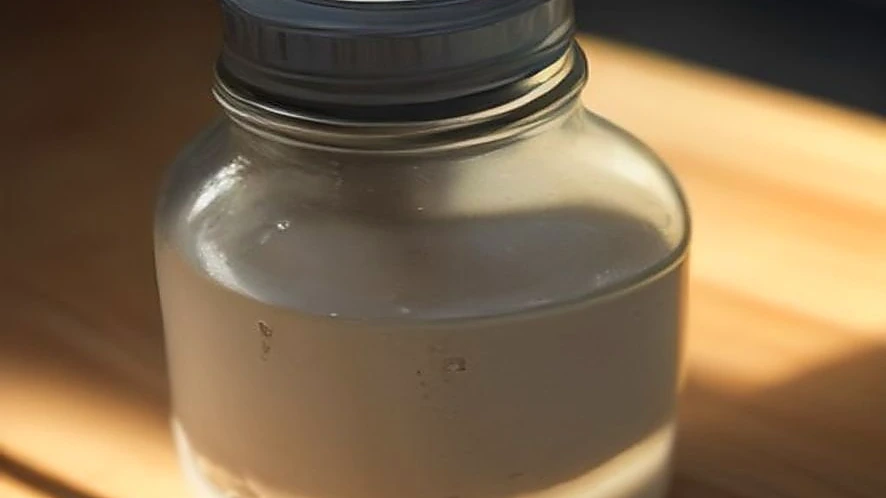
Once, I struggled to open a particularly tight jam jar using just a rubber grip. My hand strength was fine, but the lid had a thin layer of sticky residue making it slippery. I tried repositioning the grip pad several times, but the lid barely budged.
After switching to a jar opener with a clamping mechanism, I placed it over the lid and used the lever to apply torque. The mechanical advantage meant I didn’t have to squeeze hard or wrestle with the lid. It popped open on the first try. That day convinced me that rubber grips are great for everyday use, but a jar opener is essential for truly stubborn lids or when hand strength is limited.
Quantitatively, the jar opener reduced the effort required by approximately two-thirds compared to using the rubber grip alone. This not only saved time but also prevented hand fatigue and potential strain. Such differences highlight the importance of selecting the right tool based on the specific jar and user capabilities.
| Rubber grip | Jar opener | |
|---|---|---|
| Primary mechanism | Increases friction between hand and lid via high-friction rubber | Uses mechanical leverage and clamping to multiply applied force |
| Force multiplication | Depends entirely on user’s hand strength | Provides mechanical advantage to reduce required hand strength |
| Size and storage | Thin, flexible pads easy to store | Bulkier devices with moving parts, require more storage space |
| Ease of use | Simple: place on lid and twist | Requires positioning clamps or levers correctly on lid |
| Best for | Users with moderate hand strength needing better grip on slippery lids | Users with weak hands or arthritis needing extra leverage |
| Durability and maintenance | Durable rubber, hand wash only, no dishwasher | Moving parts may wear, some models require cleaning and maintenance |
From my kitchen
Once, I struggled to open a particularly tight jam jar using just a rubber grip. My hand strength was fine, but the lid had a thin layer of sticky residue making it slippery. I tried repositioning the grip pad several times, but the lid barely budged.
After switching to a jar opener with a clamping mechanism, I placed it over the lid and used the lever to apply torque. The mechanical advantage meant I didn’t have to squeeze hard or wrestle with the lid. It popped open on the first try. That day convinced me that rubber grips are great for everyday use, but a jar opener is essential for truly stubborn lids or when hand strength is limited.
Quantitatively, the jar opener reduced the effort required by approximately two-thirds compared to using the rubber grip alone. This not only saved time but also prevented hand fatigue and potential strain. Such differences highlight the importance of selecting the right tool based on the specific jar and user capabilities.
Worth Considering
Best for simple grip enhancement: JAR HEADS Rubber Jar Opener Gripper Pad 5 Pack

These thick 5-inch rubber grippers add friction to slippery lids and fit various sizes. Ideal for users with moderate hand strength who need an easy-to-store, no-fuss solution. Not suited for very tight lids or those requiring added leverage.
Brand: JAR HEADS · Price when checked: $11.99 · Rating: 4.7 out of 5 (126 ratings)
Pros
- Thick, sturdy rubber improves grip on lids
- Simple to use—just place on lid and twist
- Easy to clean by hand washing
Cons
- No leverage means heavy reliance on hand strength
- Not dishwasher safe
Best for mechanical leverage: Uinxan Patented Jar Opener

This patented jar opener provides mechanical advantage to users with weak hands or arthritis, making it easier to open stubborn lids. Bulky compared to grip pads and requires correct positioning, less convenient for quick tasks.
Brand: Uinxan · Price when checked: $21.50 · Rating: 4.5 out of 5 (7,476 ratings)
Pros
- Mechanical leverage reduces needed hand force
- Adjustable to fit various lid sizes
- Suitable for seniors and those with limited grip strength
Cons
- Larger and bulkier than rubber grips
- More complex to position and use
When neither rubber grip nor jar opener is the right answer
For some lids, especially those with vacuum seals or damaged threads, neither a rubber grip pad nor a mechanical jar opener will suffice. In these cases, techniques like running hot water on the lid to expand the metal, tapping the lid edge gently to break the seal, or using a dedicated lid lifter tool are necessary.
Electric jar openers may help users with very limited hand mobility, but they come with their own downsides such as size, cost, and limited portability. If you open jars infrequently or mostly deal with easy lids, simpler manual methods may be more practical.
Related reading
- Best Under Cabinet Smart Lights with Motion Sensor for Your Kitchen
- Best Home Water Carbonator Systems: Top SodaStream Alternatives
- Quick & Easy Chicken Pot Pie Recipe (Foolproof!)
Frequently Asked Questions
Can a rubber grip pad open all jar lids?
Rubber grip pads improve friction between your hand and the jar lid, making it easier to twist open most jars. However, they do not multiply your force. For very tight lids, vacuum seals, or when hand strength is limited, a rubber grip alone may not provide enough torque to open the jar.
Are jar openers better for people with arthritis?
Yes, jar openers with mechanical leverage reduce the force needed to twist off lids, making them suitable for users with arthritis or weak grip strength. Their clamping and lever mechanisms multiply your applied force, allowing jars to open with less effort.
How do I clean rubber grip pads?
Rubber grip pads should be hand washed with warm, soapy water. Avoid using dishwashers as the heat and detergents can degrade the rubber material over time, reducing grip effectiveness and lifespan.

Rimi Sultana is a home cook from Bangladesh who has cooked for her family every day for the past five years and writes about it at Smart Cooks. Perpetually testing whether internet-famous recipes actually work in a regular home kitchen. Say hello on Facebook or through the contact page.