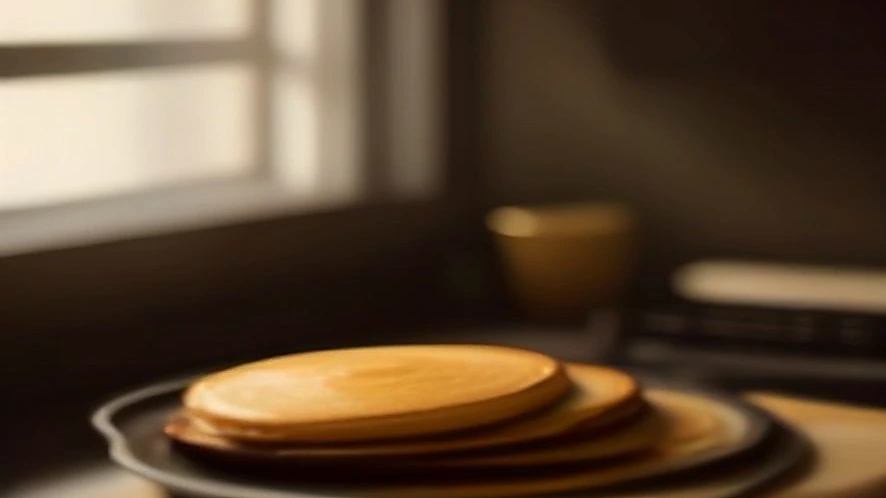
The difference between a good and a bad griddle pan for pancakes lies chiefly in how the pan distributes and retains heat, its surface texture, and its shape. A griddle that cannot maintain a consistent temperature will cause uneven browning or sticking, frustrating any attempt to make uniform pancakes.
Some links in this post are affiliate links. If you buy through them we may earn a small commission at no extra cost to you — it never changes which products we recommend.
Beyond heating, factors such as size and weight, handle design, and surface coating also affect the cooking experience. Some pans excel at making many pancakes quickly, while others suit smaller kitchens or specific stove types. Understanding these technical aspects helps separate useful tools from overhyped products.
What actually matters
When choosing a griddle pan for pancakes, focus first on heat management. Pancakes cook best at medium heat, around 375°F (190°C). The material thickness and composition determine how heat spreads and how long it takes to respond to temperature changes.
Material thermal conductivity plays a key role: cast iron has a thermal conductivity of about 55 W/m·K, while aluminium is around 205 W/m·K. This means aluminium heats faster but may lead to uneven spots, whereas cast iron heats slower but distributes heat more evenly over time.
The pan’s ability to retain heat affects cooking consistency. For example, cast iron’s high heat capacity allows it to maintain temperature even when cold batter is added, reducing temperature drops that cause uneven cooking. In contrast, thin aluminium pans can cool rapidly, requiring frequent heat adjustments.
Temperature fluctuations greater than 20°F (11°C) during cooking can cause pancakes to brown unevenly or stick. Therefore, pans with good heat retention help maintain a stable cooking surface.
Surface texture and coating also influence pancake release and browning. Seasoned cast iron develops a polymerized oil layer that improves nonstick properties over time. Nonstick coatings like PTFE provide immediate release but can degrade after 300 to 500 cooking cycles, especially under high heat or with metal utensils.
The pan’s size determines cooking volume and efficiency. A 10-12 inch (25-30 cm) wide griddle can accommodate 3 to 4 standard 4-inch pancakes simultaneously, enabling batch cooking for families. Weight affects handling; heavier pans (over 3 pounds or 1.4 kg) retain heat better but can be cumbersome, while lighter pans allow easier flipping but may sacrifice heat stability.
Handle design is critical for safety and comfort. Handles made from stainless steel or silicone remain cooler during cooking and reduce the risk of burns. Secure rivets or welded joints ensure durability, preventing loosening after repeated heating cycles.
Heat retention and distribution
Cast iron and carbon steel are known for retaining heat well, which smooths out temperature spikes but requires longer preheating times. For instance, a 10-inch cast iron griddle can take up to 10 minutes to reach 375°F (190°C) on a medium burner, but once heated, it maintains temperature with minimal variation.
Conversely, thinner aluminium pans heat quickly, often reaching cooking temperature within 3-5 minutes. However, their lower heat capacity means they cool rapidly when batter is added, causing temperature drops of up to 50°F (28°C) if heat is not adjusted promptly.
Even heat distribution is achieved by uniform thickness and quality materials that conduct heat steadily across the surface. Some manufacturers use multi-layered bases or heat-diffusing plates to reduce hot spots. For example, hard-anodized aluminium pans often have a 3-layer base combining aluminium and stainless steel to enhance evenness.
Uneven heating can result in pancakes cooking at different rates, leading to burnt edges and raw centers. This not only affects taste but also increases waste and cooking time as you adjust heat settings.
Surface texture and nonstick properties
A smooth, seasoned surface or a durable nonstick coating prevents pancake batter from sticking and tearing during flipping. Traditional cast iron requires seasoning to build a natural nonstick layer, which forms through polymerized oils baked into the surface. This process improves with use, often requiring 5-10 cooking cycles to develop a reliable coating.
Coated pans rely on synthetic materials such as PTFE or ceramic-based coatings that provide immediate nonstick performance but degrade with heat exposure, abrasive cleaning, and metal utensil use. For example, PTFE coatings typically last 1-3 years with regular use before losing effectiveness.
Scratches and abrasive cleaning reduce nonstick performance, increasing sticking and making cleaning harder. Using wooden or silicone spatulas and gentle cleaning agents extends pan life.
Surface roughness can also impact pancake texture. Slightly textured surfaces promote even browning by allowing small air pockets beneath the batter, whereas overly smooth surfaces may cause excessive sticking if the coating is compromised.
Size, shape and handle design
A griddle’s size affects how many pancakes fit at once; a 10-12 inch (25-30 cm) width suits most home cooking. Larger pans accommodate more pancakes but require more storage space and heating power.
Weight influences manoeuvrability—heavier pans hold heat better but are harder to handle. For example, cast iron pans often weigh between 4-6 pounds (1.8-2.7 kg), while aluminium pans typically weigh under 3 pounds (1.4 kg).
Handles should stay cool enough for safe gripping, with secure fixing to the pan body for long-term durability. Handles made from heat-resistant materials like silicone or stainless steel with hollow cores reduce heat transfer. Riveted handles provide stronger attachment but may collect food debris; welded handles offer seamless cleaning but can transfer more heat.
Shape also matters: rectangular griddles maximize cooking area for multiple pancakes, whereas round pans focus heat more centrally, which can be advantageous for smaller batches.
How to choose and when to skip a griddle pan
Choose a griddle pan based on how many pancakes you plan to make at once and how much maintenance you are willing to do. Cast iron suits those who value durability and heat retention, but it requires seasoning and is heavy. Nonstick aluminium pans are easier to handle and clean but often have shorter lifespans and uneven heat.
If you rarely make pancakes or cook only one or two at a time, a small pan designed for eggs and pancakes might be a better fit than a large griddle. Conversely, if you want to cook for a crowd, go for a wide, thick pan with good heat distribution to avoid uneven cooking.
Some kitchens with delicate stovetops or electric coil elements might not work well with very heavy cast iron pans, so consider your stove type before choosing. Also, if you dislike maintaining cookware or re-seasoning, nonstick options are more straightforward but expect to replace them more often.
Additionally, consider your cooking habits: frequent pancake makers benefit from investing in durable, well-seasoned cast iron or high-quality hard-anodized aluminium pans that balance heat retention and ease of use. Occasional cooks might prioritize lightweight, easy-to-clean nonstick pans.
The environmental impact of pan materials is another consideration. Cast iron pans, with proper care, can last decades, reducing waste, while nonstick pans often require replacement every few years due to coating degradation.
Finally, budget constraints influence choices. Cast iron pans typically range from $20 to $50, offering long-term value, whereas premium nonstick pans with diamond-infused coatings can cost $60 to $100 but may need replacement sooner.
| Pick | Best for | Material and size | Watch out for |
|---|---|---|---|
| Farberware 21745 | Quick heating and easy flipping | Aluminium, 11 x 20 inches | Thin material prone to hot spots |
| HUPECHAM 4-Cup Egg Pan | Small batch pancakes and eggs | Nonstick coated steel, 9.4 inch diameter | Limited cooking area |
| Rachael Ray Cucina | Daily family pancakes | Hard-anodized aluminium, 11 x 21 inches | Nonstick may degrade with metal utensils |
| Lodge L9OG3 Cast Iron | Heat retention, rustic use | Cast iron, 10.5 inch diameter | Heavy and slow to heat |
| Blue Diamond 11-inch | Scratch resistance and durability | Aluminium with diamond-infused coating | Heavier than typical aluminium pans |
From my kitchen
Once, I tried making pancakes on a thin aluminium griddle that looked promising for its size. The pan heated up quickly, but when I poured batter, the temperature dropped unevenly, causing some pancakes to burn while others remained undercooked. I fixed this by adjusting the heat to lower than usual and preheating longer, which helped stabilize the temperature, but it reminded me that fast heating isn’t the same as even heating.
This experience highlighted the importance of understanding your pan’s thermal characteristics. For example, aluminium’s rapid heat loss means you must monitor and adjust the burner frequently to maintain the ideal 375°F (190°C). In contrast, cast iron pans provide a more forgiving cooking surface, maintaining heat even when batter cools the pan.
Additionally, I noticed that pans with better heat distribution resulted in more consistent pancake browning and texture. Uneven surfaces or hot spots led to burnt edges or raw centers, which detracted from the overall quality.
Handle comfort also affected the cooking experience. Pans with ergonomically designed handles that stayed cool allowed me to flip pancakes more confidently and safely without needing oven mitts.
Overall, investing time in selecting the right griddle pan based on material, size, and design significantly improved my pancake-making process and results.
Worth Considering
Best for quick heating: Farberware 21745

This aluminium pan heats quickly and allows easy flipping thanks to its large flat surface. Its thinness means it reaches cooking temperature fast but also cools quickly when batter is added, requiring attentive temperature control. Not the best if you seek even heat retention.
Price when checked: $45.78 · Rating: 5.0 out of 5 (1 ratings)
Pros
- Large 11 x 20 inch surface fits several pancakes
- Lightweight for easy handling
- Responsive to temperature changes
Cons
- Can develop hot spots with uneven heating
- Aluminium may warp if overheated
Best for small batches: HUPECHAM 4-Cup Egg Pan

This compact pan is ideal for making just a few pancakes or eggs at a time. Its nonstick coating helps with quick release, but the cooking area is small, limiting batch size. Not suitable for large families or batch cooking.
Price when checked: $13.96 · Rating: 4.6 out of 5 (2.9K ratings)
Pros
- Nonstick surface for easy flipping
- Small size fits compact kitchens
- Handles designed to stay cool
Cons
- Limited cooking space
- Nonstick surface can scratch easily
Best for everyday family use: Rachael Ray Cucina

This hard-anodized aluminium pan balances size and durability, making it suitable for daily pancake cooking. The nonstick surface simplifies cleaning but requires care to avoid metal utensil damage. It offers good heat conduction but less heat retention than cast iron.
Price when checked: $49.49 · Rating: 4.7 out of 5 (1.1K ratings)
Pros
- Large flat surface for multiple pancakes
- Durable hard-anodized body
- Comfortable riveted handles
Cons
- Nonstick coating wears with rough use
- Not as heavy for heat retention
Best for heat retention and rustic cooking: Lodge L9OG3 Cast Iron

A classic cast iron griddle that holds heat well and develops a natural nonstick surface through seasoning. It is heavy and slow to preheat, making it less convenient for quick breakfasts. Ideal for those who prefer durable cookware and are comfortable with maintenance.
Rating: 4.6 out of 5 (45.8K ratings)
Pros
- Excellent heat retention
- Develops natural nonstick with seasoning
- Extremely durable
Cons
- Heavy and cumbersome
- Requires seasoning and specific care
Best for scratch resistance: Blue Diamond 11-inch

This aluminium pan features a diamond-infused coating designed to resist scratches and extend nonstick life. It is heavier than typical aluminium pans, which helps heat distribution but demands more effort when handling. Suitable for those prioritising durability over lightness.
Price when checked: $51.52 · Rating: 4.2 out of 5 (13 ratings)
Pros
- Diamond-infused coating for durability
- Good heat distribution
- Large enough for several pancakes
Cons
- Heavier than most aluminium models
- Coating can degrade if overheated
Related reading
- The 10 Best Oven Mitts of 2026 (Tested and Reviewed)
- Electric griddle vs stovetop griddle: key differences explained
- Fluffy Gluten Free Pancakes (Easy Recipe!)
Frequently Asked Questions
What temperature is best for cooking pancakes on a griddle pan?
Pancakes cook best at around 375°F (190°C). At this temperature, the batter sets evenly and browns without burning. Cooking at lower temperatures results in pale, undercooked pancakes, while higher temperatures cause burning on the outside before the inside cooks through.
Do I need to grease a nonstick griddle pan for pancakes?
Even nonstick surfaces benefit from a light greasing with oil or butter before cooking pancakes. This helps improve flavour and further reduces sticking, especially if the pan’s coating is older or slightly worn. Avoid heavy greasing as it can cause uneven browning and smoke.
Why do pancakes stick to my griddle pan despite it being nonstick?
Pancakes can stick if the pan is not sufficiently heated before adding batter, if the nonstick coating is scratched or worn, or if residues from previous cooking remain. Proper heating, gentle cleaning, and occasional re-greasing prevent sticking. Using metal utensils on nonstick pans can damage the coating and increase sticking.
Rimi Sultana is a home cook from Bangladesh who has cooked for her family every day for the past five years and writes about it at Smart Cooks. Perpetually testing whether internet-famous recipes actually work in a regular home kitchen. Say hello on Facebook or through the contact page.