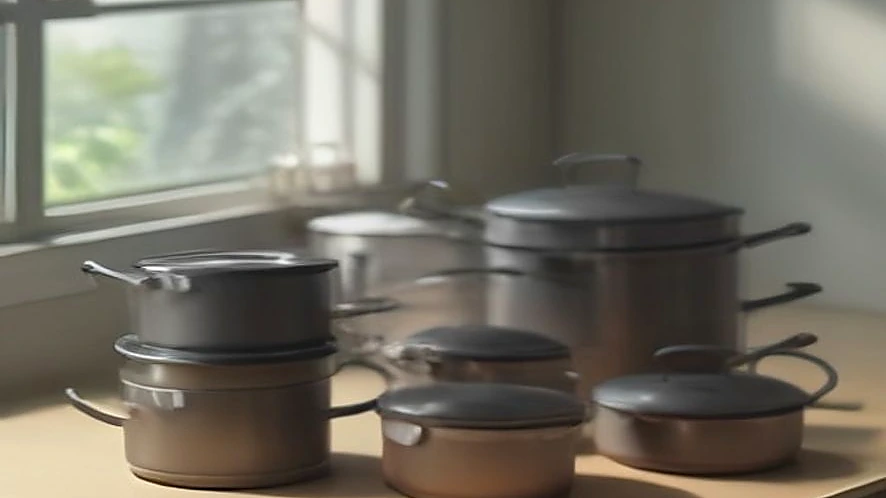
Choosing cookware for a first apartment involves balancing limited space, budget, and the need for versatile, reliable pots and pans. The key difference separating a good set from a bad one is how well it performs across various cooking tasks while fitting into a smaller kitchen.
Some links in this post are affiliate links. If you buy through them we may earn a small commission at no extra cost to you — it never changes which products we recommend.
The construction of cookware determines how it distributes heat, how it interacts with different stovetops, and how it will last through everyday use. Understanding these factors helps avoid common pitfalls like uneven cooking or premature wear in a first apartment setting.
What actually matters
Not all cookware sets are created equal. The differences that matter most come down to material construction, heat conduction properties, and compatibility with your stovetop.
Thermal conductivity is a critical factor in cookware performance. Materials like aluminum, with a thermal conductivity of approximately 237 W/m·K, allow for rapid and even heat distribution, reducing the risk of hot spots that can burn food. Stainless steel, in contrast, has a much lower thermal conductivity of about 16 W/m·K, which can cause uneven heating unless combined with an aluminum or copper core. This difference affects cooking efficiency and the quality of the food prepared.
The choice of coating also impacts cooking outcomes and maintenance. Ceramic coatings provide a hard, nonstick surface that reduces the need for added fats, promoting healthier cooking. However, these coatings can degrade if exposed to temperatures above 450°F (232°C) or if metal utensils are used, leading to chipping and reduced nonstick performance. Understanding these limitations is essential to prolonging the life of your cookware.
Base construction plays a pivotal role in stovetop compatibility. Multi-layered bases, such as those combining stainless steel exteriors with aluminum cores, offer the benefits of durability and excellent heat conduction. For induction cooktops, which require magnetic materials to generate heat, cookware must have a magnetic base, typically stainless steel or cast iron. Sets lacking this feature will not function on induction stoves, limiting versatility.
Durability extends beyond the cookware body to handles and lids. Handles made from materials that remain cool during cooking enhance safety by reducing burn risks, especially in small kitchens where space constraints might cause accidental contact. Lids designed to fit securely help retain heat and moisture, improving cooking efficiency and results.
Maintenance considerations influence long-term satisfaction with a cookware set. While many ceramic coatings are labeled dishwasher-safe, repeated exposure to harsh detergents and high temperatures in dishwashers can accelerate coating wear. Hand washing with gentle detergents is recommended to maximize longevity. Stainless steel cookware, meanwhile, is generally more dishwasher-friendly but may require seasoning or oiling to prevent sticking during cooking.
Material and coating
Cookware materials like stainless steel, aluminum, and ceramic each conduct heat differently due to their thermal conductivity rates. For example, aluminum conducts heat at approximately 237 W/m·K, allowing quicker and more even heating, whereas stainless steel conducts at about 16 W/m·K and can develop hot spots without an aluminum core. Ceramic coatings provide a nonstick surface by creating a hard, smooth layer that reduces food adhesion but can wear down over time depending on thickness and use.
The choice of coating affects both cooking performance and maintenance. Ceramic coatings are free from PTFE and PFOA, appealing to health-conscious users, but they require careful handling to prevent chipping. Traditional nonstick coatings, such as Teflon, offer more durable slickness but may contain chemicals some consumers prefer to avoid.
Base construction and stovetop compatibility
A cookware base with layered metals (such as an aluminum core clad in stainless steel) spreads heat more evenly by eliminating hot spots. Induction stovetops require a magnetic base, typically stainless steel or cast iron, as aluminum and ceramic alone won’t work without magnetic layers. Some sets specify compatibility with gas, electric, and induction, indicating their base construction accommodates different heat sources.
Compatibility with various stovetops is essential for first apartments where residents might change cooking appliances or move. For example, a set with a magnetic stainless steel base ensures use on induction cooktops, which are increasingly popular for their energy efficiency and safety. Conversely, sets lacking this feature may only work on gas or electric coil stoves, limiting flexibility.
Durability and maintenance
Nonstick coatings like ceramic are prone to chipping or scratching if metal utensils are used or if overheated beyond 450°F (232°C). Stainless steel resists scratching but may require more oil or butter to prevent sticking. Dishwasher-safe labels indicate some tolerance to harsh detergents, but repeated dishwasher use can shorten nonstick life. Handles and lids also contribute to durability and safety—materials that stay cool reduce burn risk.
Durability also encompasses the physical robustness of cookware under daily use. Pans with thicker bases resist warping over time, maintaining flat contact with the stovetop for consistent heating. Additionally, securely riveted handles and well-fitted lids reduce the risk of accidents and improve cooking outcomes.
How to choose the right cookware set for your first apartment
When selecting cookware for a first apartment, consider your stove type first. If you have an induction cooktop, ensure your set has a magnetic base; many ceramic-coated sets lack this feature. Next, assess how you cook: nonstick ceramic is good for eggs and pancakes but less so for searing or oven use. If you want to do more varied cooking, a set with an aluminium core or stainless steel base might be better despite requiring more oil.
Space and storage also matter. Smaller sets with compact pieces suit limited kitchens but may restrict cooking batch sizes. For instance, pans with diameters less than 8 inches may be insufficient for preparing meals for more than two people, which can be a significant limitation for those who entertain or cook for families. Conversely, larger pans require more storage space, which may be scarce in a first apartment.
Maintenance is another critical factor. Ceramic coatings need gentle cleaning and avoidance of metal utensils, which can be inconvenient if you prefer a low-maintenance kitchen. The lifespan of ceramic coatings typically ranges from 1 to 3 years depending on care, after which performance declines noticeably. Stainless steel sets, while demanding more oil to prevent sticking, often last a decade or more with proper upkeep.
Additionally, consider oven compatibility if you plan to use your cookware for baking or finishing dishes. Some ceramic sets are limited to stovetop use or low oven temperatures (up to 350°F/177°C), whereas stainless steel and hard-anodized aluminum sets often tolerate higher temperatures, providing greater versatility.
Finally, budget constraints influence choice. While premium sets with diamond-infused coatings or multi-layered bases offer superior durability and performance, they come at a higher price point. Entry-level ceramic sets provide affordability but may require replacement sooner, potentially increasing long-term cost. Balancing initial investment with expected lifespan and cooking needs will guide the optimal selection.
| Pick | Best for | Material and coating | Watch out for |
|---|---|---|---|
| MOSIECH B0GKP68KT7 | Budget ceramic nonstick | Ceramic nonstick, aluminium base | Limited oven use, coating durability |
| MOSIECH B0GKP5M17C | Versatile mid-range ceramic | Ceramic nonstick, aluminium base | Handles may get warm, prone to scratching |
| MOSIECH B0GKP2TFD6 | Compact ceramic set | Ceramic nonstick, aluminium base | Smaller sizes limit meal portions |
| M MELENTA B0CNJJDQG1 | Basic affordable nonstick | Blue ceramic coating, aluminum body | Nonstick wears over time, not induction compatible |
| ESLITE LIFE B0FD71KXB2 | All stovetops including induction | Ceramic coating, magnetic base | White colour prone to staining, coating longevity |
| BELLA B0D26GFZ95 | Durable ceramic, oven safe | EverGood™ ceramic nonstick, aluminium core | Handles bulky, limited colour options |
| Nuwave B0CKDFCMPW | Scratch-resistant diamond infused ceramic | Duralon ceramic nonstick, aluminium base | Pricey, heavier pans |
From my kitchen
Once, I tried using a ceramic nonstick pan to sear chicken at a high temperature without oil, aiming for a crispy skin. The ceramic coating overheated and started to flake, which ruined the pan’s surface. Switching to a stainless steel pan with an aluminium core resolved this, as it tolerated high heat without coating damage and allowed me to brown the chicken properly. This episode underscored that ceramic sets are not ideal for high-heat searing or dry frying.
Worth Considering
Best for budget-conscious buyers: 7 Piece Ceramic Cookware Set, MOSIECH

This set offers ceramic nonstick surfaces at a low price point, making it suitable for those starting out with minimal investment. It’s not ideal if you need oven-safe cookware or plan heavy-duty use, as the coating can degrade faster and the handles don’t stay cool.
Brand: MOSIECH · Price when checked: $76.99 · Rating: 4.5 out of 5 (226 ratings)
Pros
- Affordable ceramic nonstick
- Lightweight aluminum base for quick heating
- Compact 7-piece set covers basics
Cons
- Not suitable for oven use beyond stovetop
- Ceramic coating less durable under metal utensils
Best versatile ceramic set: 7 Pc Nonstick Ceramic Cookware Set, MOSIECH

A mid-range ceramic cookware set that balances price with quality, featuring aluminium bases for better heat conduction. Handles can become hot during cooking, and the ceramic coating requires careful cleaning to avoid scratching.
Brand: MOSIECH · Price when checked: $85.99 · Rating: 4.5 out of 5 (245 ratings)
Pros
- Good heat distribution with aluminium base
- Nonstick ceramic coating eases food release
- Suitable for everyday stovetop cooking
Cons
- Handles absorb heat, no cool-touch
- Ceramic coating can chip if mishandled
Best compact ceramic option: 7 Pc Nonstick Ceramic Cookware Set, MOSIECH

This set is designed for smaller kitchens or single cooks, with smaller pan sizes and a ceramic nonstick surface. It’s not suited for cooking large meals or for those who want a full range of cookware sizes.
Brand: MOSIECH · Price when checked: $79.99 · Rating: 4.5 out of 5 (226 ratings)
Pros
- Space-saving smaller pans
- Ceramic nonstick coating
- Lightweight and easy to handle
Cons
- Limited capacity for family meals
- Coating requires gentle care
Best affordable ceramic nonstick: M MELENTA 7 piece Non Stick Blue Ceramic Cookware Set

An inexpensive set with blue ceramic coating and aluminium construction, ideal for basic cooking without bells and whistles. It lacks induction compatibility and the coating will show wear with frequent use or aggressive cleaning.
Brand: M MELENTA · Price when checked: $42.99 · Rating: 4.4 out of 5 (1,049 ratings)
Pros
- Very affordable price
- Ceramic coating reduces food sticking
- Lightweight and manageable
Cons
- Not induction compatible
- Ceramic coating less durable over time
Best for induction stovetops: ESLITE LIFE Nonstick Ceramic Cookware Set

This set includes a magnetic base compatible with all stovetops including induction, a useful feature since many ceramic sets lack this. The white ceramic coating can stain, and the nonstick surface requires careful maintenance to preserve its longevity.
Brand: ESLITE LIFE · Price when checked: $99.99 · Rating: 4.0 out of 5 (6,266 ratings)
Pros
- Compatible with gas, electric and induction
- PFOA-free ceramic coating
- Seven-piece kit with lids
Cons
- White surfaces prone to visible stains
- Coating can degrade if overheated
Best oven-safe ceramic: bella 7 Piece Cookware Set with EverGood™ Ceramic Nonstick

Featuring a proprietary ceramic nonstick and oven-safe design, this set suits cooks who want to transfer dishes from stove to oven up to 350°F (177°C). The handles are bulky and the colour options limited, which might not fit all kitchen aesthetics or storage constraints.
Brand: BELLA · Price when checked: $49.99 · Rating: 4.5 out of 5 (761 ratings)
Pros
- Oven safe up to 350°F (177°C)
- Cool-touch handles for safer handling
- Durable EverGood™ ceramic coating
Cons
- Bulky handles limit storage space
- Limited colour choices
Best scratch-resistant ceramic: Nuwave 7pc Healthy Duralon Blue Ceramic Nonstick Set

Nuwave’s diamond-infused ceramic nonstick surface is designed to resist scratches and extend nonstick life, a boon for those who use metal utensils despite recommendations. The pans are heavier, which may be a drawback in small kitchens or for those preferring lightweight cookware.
Brand: Nuwave
Pros
- Diamond-infused ceramic coating for scratch resistance
- Durable aluminium base
- Healthy nonstick without PFOA
Cons
- Heavier pans may be cumbersome
- Higher price point than others
How to choose the right cookware set for your first apartment
When selecting cookware for a first apartment, consider your stove type first. If you have an induction cooktop, ensure your set has a magnetic base; many ceramic-coated sets lack this feature. Next, assess how you cook: nonstick ceramic is good for eggs and pancakes but less so for searing or oven use. If you want to do more varied cooking, a set with an aluminium core or stainless steel base might be better despite requiring more oil.
Space and storage also matter. Smaller sets with compact pieces suit limited kitchens but may restrict cooking batch sizes. For instance, pans with diameters less than 8 inches may be insufficient for preparing meals for more than two people, which can be a significant limitation for those who entertain or cook for families. Conversely, larger pans require more storage space, which may be scarce in a first apartment.
Maintenance is another critical factor. Ceramic coatings need gentle cleaning and avoidance of metal utensils, which can be inconvenient if you prefer a low-maintenance kitchen. The lifespan of ceramic coatings typically ranges from 1 to 3 years depending on care, after which performance declines noticeably. Stainless steel sets, while demanding more oil to prevent sticking, often last a decade or more with proper upkeep.
Additionally, consider oven compatibility if you plan to use your cookware for baking or finishing dishes. Some ceramic sets are limited to stovetop use or low oven temperatures (up to 350°F/177°C), whereas stainless steel and hard-anodized aluminum sets often tolerate higher temperatures, providing greater versatility.
Finally, budget constraints influence choice. While premium sets with diamond-infused coatings or multi-layered bases offer superior durability and performance, they come at a higher price point. Entry-level ceramic sets provide affordability but may require replacement sooner, potentially increasing long-term cost. Balancing initial investment with expected lifespan and cooking needs will guide the optimal selection.
Related reading
- Top 7 saucepans for small sauces: precise control in compact pots
- Sauté pan vs skillet: understanding their design and use differences
- Best Small Saucepans: Top Picks for Every Kitchen
Frequently Asked Questions
How many pieces do I really need in a cookware set for a first apartment?
A 5 to 7-piece set typically covers most needs for a first apartment, usually including a small and medium frying pan, a saucepan with lid, a larger pot or stockpot, and sometimes a sauté pan. This range allows cooking everything from eggs to pasta without crowding your kitchen storage. Extra pieces can be useful but may go unused if space is tight.
Is ceramic nonstick better than traditional Teflon for beginners?
Ceramic nonstick coatings are free from PTFE and PFOA, making them a popular alternative for health-conscious cooks. They generally have a harder surface but can degrade more quickly when exposed to high heat (above 450°F/232°C) or metal utensils. Traditional Teflon coatings offer longer-lasting slickness but require more careful use to avoid scratching. Both types need gentle cleaning.
Can I use metal utensils with ceramic cookware?
Most manufacturers advise against using metal utensils on ceramic-coated cookware because they can scratch or chip the surface, shortening its effective lifespan. Silicone, wooden, or plastic utensils are safer choices. If you frequently use metal tools, consider cookware with a more durable surface like stainless steel or diamond-infused ceramic coatings designed to resist scratching.

Rimi Sultana is a home cook from Bangladesh who has cooked for her family every day for the past five years and writes about it at Smart Cooks. Perpetually testing whether internet-famous recipes actually work in a regular home kitchen. Say hello on Facebook or through the contact page.