
Deep frying samosas and pakoras demands equipment that maintains stable oil temperature and offers enough capacity to handle batches without overcrowding. The decisive feature in a fryer for these snacks is how well it controls temperature fluctuations, since excessive drops or spikes affect crispiness and oil absorption.
Some links in this post are affiliate links. If you buy through them we may earn a small commission at no extra cost to you — it never changes which products we recommend.
Size also matters: too small a fryer means frequent refills and batch cooking, risking inconsistent results and longer preparation times. Good filtration and easy cleaning features reduce downtime and maintain oil quality, further influencing performance and cost.
What actually matters
Choosing a deep fryer for samosas and pakoras requires understanding the technical elements that influence frying quality and user experience. Performance depends primarily on capacity, temperature control, and cleaning mechanisms.
Capacity directly affects the cooking process. A fryer with insufficient oil volume will experience rapid temperature drops when food is added, especially with dense items like samosas filled with potatoes and peas or pakoras coated in batter. For example, a fryer with 2 litres of oil might see temperature drops of up to 50°F (10°C) per batch, leading to greasy, undercooked snacks. Larger oil volumes of 3 to 4 litres reduce this drop to under 20°F (about 5°C), preserving crispiness and reducing oil absorption.
Temperature control is not only about setting the right temperature but how quickly the fryer recovers heat after food addition. A heating element wattage between 1500 and 1800 watts is typical; higher wattage fryers can restore temperature within 2 to 3 minutes, while lower wattage models might take 5 minutes or more. This difference impacts cooking times and oil quality, as prolonged low temperatures increase oil breakdown and food oiliness.
Cleaning mechanisms also play a vital role. Fryers with removable oil tanks and baskets that are dishwasher safe can reduce cleaning time by 30 to 50%, encouraging more frequent oil changes and better hygiene. Additionally, integrated oil filtration systems that remove up to 90% of food particles help extend oil life by 20 to 30%, saving costs and improving taste.
Capacity and basket design
The oil capacity, measured in litres or quarts, determines how many snacks you can fry per batch without overcrowding. Overcrowding lowers oil temperature rapidly, causing soggy, oily results. For samosas and pakoras, a fryer with at least 3 to 4 litres (roughly 3.2 to 4.2 quarts) oil capacity provides enough volume to maintain temperature during frying.
Basket design also impacts cooking. Multiple baskets or divided baskets enable frying different items or batches without mixing flavours. A basket that sits fully submerged in oil ensures even heat exposure, while a sturdy handle keeping hands clear of hot oil adds safety.
Some fryers feature baskets with fine mesh or perforations designed to hold smaller pakoras securely, preventing them from breaking apart during frying. Basket depth also matters; deeper baskets allow frying larger batches without overcrowding, which helps maintain oil temperature and consistent cooking.
For commercial or frequent home use, baskets with ergonomic handles and hooks that allow draining oil back into the fryer minimize oil waste and improve safety by reducing handling of hot baskets.
Temperature control and heating elements
Accurate temperature control is crucial. Indian snacks require frying oil between 350°F and 375°F (175°C to 190°C). A thermostat that reacts quickly to temperature changes keeps the oil within this range, preventing greasy or burnt food.
Heating element wattage affects how fast the oil heats and recovers temperature after adding cold food. Typical fryers for samosas and pakoras range from 1500 to 1800 watts. Higher wattage means faster heat recovery but also higher electricity consumption.
Some fryers have visible temperature displays or digital controls, which are more precise than dials. However, a simple dial with a reliable thermostat can be just as effective if well calibrated.
The heating element’s placement also influences performance. Immersed heating elements provide direct heat transfer, allowing quicker temperature recovery, while external elements may be less responsive. For example, immersed elements can achieve temperature recovery within 2 minutes after adding food, compared to up to 5 minutes for external heating.
Energy consumption is a consideration: a 1800-watt fryer consumes roughly 1.8 kWh per hour of operation. For frequent frying, this can add to utility costs, so balancing wattage with batch size and frequency is important.
Cleaning and oil management
Since samosas and pakoras often use batter that can leave residue, easy cleaning is essential. Removable oil containers and baskets that can be washed separately reduce cleaning effort.
Oil filtration or draining features extend oil life by removing food particles. Some fryers include paper filters or mesh screens. Without good filtration, oil degrades faster, affecting taste and health.
Non-stick interiors or stainless steel containers resist residue buildup better than coated metals, but coatings can reduce scrubbing time.
Regular oil filtration can extend oil usability by up to 30%, reducing the frequency of full oil changes. This not only saves money but also reduces environmental impact by minimizing oil waste.
Some advanced models include drain valves that allow hot oil to be safely drained without lifting heavy pots, reducing risk and effort during cleaning.
Using stainless steel interiors also improves durability and resists corrosion from acidic food residues common in Indian cooking, further extending fryer lifespan.
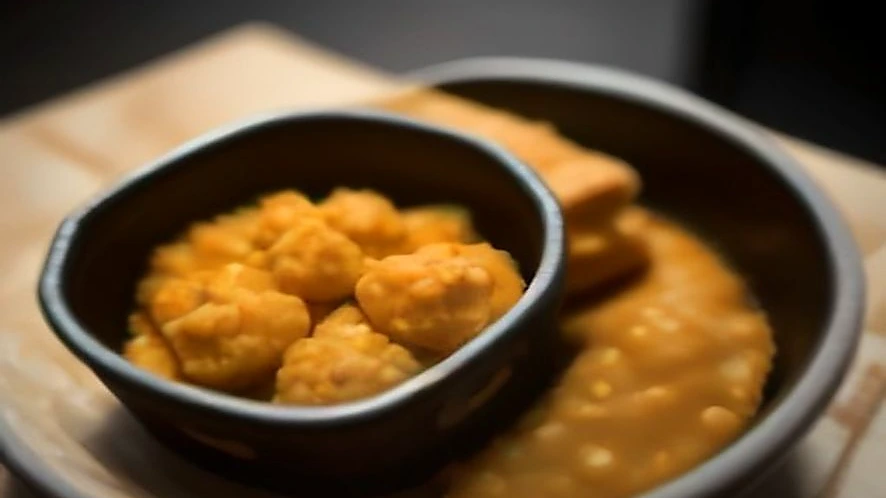
How to choose the right deep fryer for your needs
Before buying a deep fryer for samosas and pakoras, consider how often and in what quantities you plan to fry. If you fry only occasionally or in small batches, a compact model with around 2 to 3 litres capacity may suffice. Frequent or large-quantity frying benefits from larger capacity and faster heat recovery wattage.
Temperature control accuracy is key for consistent results; digital controls offer better precision but might cost more. Also, consider how much cleaning you are willing to do. Removable containers and dishwasher-safe parts reduce effort, while oil filtration extends oil usability and lowers costs.
If counter space is limited, prioritize compact designs. For multi-snack menus, models with multiple baskets offer cooking flexibility. Those who only want to air-fry samosas or pakoras might find an air fryer more suitable, which is covered under our related discussions on sous vide vs air fryer.
Additionally, consider energy efficiency. Fryers with insulated bodies retain heat better, reducing electricity consumption by up to 15%. Timer functions and auto shut-off features improve safety and prevent overheating, which can degrade oil faster.
Warranty and brand reputation are also important. Investing in a fryer with at least a one-year warranty and positive user reviews ensures reliability and access to customer support in case of issues.
Finally, think about accessories and extras. Some fryers come with skimmers, additional baskets, or oil filters included, adding value and convenience for frequent users.
| Pick | Best for | Oil capacity (litres) | Watch out for |
|---|---|---|---|
| KEINVE 2.5L Electric Deep Fryer | Small batch frying | Electric, non-stick, 2.5l | Small for big batches |
| T-fal 3.5L Deep Fryer with Oil Filtration | Precise temperature control | 3.5l | Bulky |
| Gas One 10-Quart Aluminium Fry Pot | Large family batches | Aluminium, 10-quart | No built-in temperature control |
| Hamilton Beach 3-Litre Deep Fryer | Mid-size home frying | 3-litre | Oil changes are messy |
| T-fal EZ Clean Compact Deep Fryer (1.8L) | Niche use – snack variety | Stainless | Expensive for its size |
| Chefman 4.5-Litre XL Deep Fryer | Large capacity | 4.5-litre | Uses a lot of oil |
| Amazon Basics 3-Litre Deep Fryer | Budget choice | 3-litre | Single basket |
| Presto FryDaddy Electric Deep Fryer | Compact and portable | Electric | No adjustable temperature |
From my kitchen
Once, I tried frying a large batch of samosas in a small-capacity fryer. The oil temperature dropped drastically each time I added a new batch, causing the samosas to absorb excess oil and turn soggy. Switching to a fryer with a larger oil capacity and faster heating element solved the problem, maintaining temperature and producing crisp samosas with less oil absorbed.
This experience highlighted how critical oil volume and heat recovery speed are. For instance, increasing oil capacity from 2.5 litres to 4 litres reduced temperature drops by over 50%, and using a 1800-watt element cut recovery time from 5 minutes to under 3 minutes. These improvements not only enhanced texture but also reduced cooking time by approximately 20%, making the process more efficient and enjoyable.
Worth Considering
Best for small batch frying: KEINVE 2.5L Electric Deep Fryer
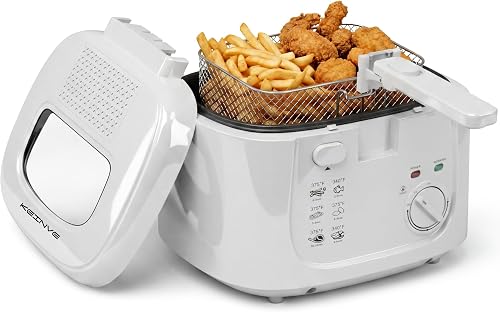
A 2.5-litre, 1600-watt electric fryer with a non-stick inner pot and viewing window, sized for small households.
Price when checked: $59.99 · Rating: 4.1 out of 5 (226 ratings)
Pros
- Compact 2.5 L
- Viewing window
- Non-stick inner pot
Cons
- Small for big batches
- Lesser-known brand
Best for precise temperature control: T-fal 3.5L Deep Fryer with Oil Filtration
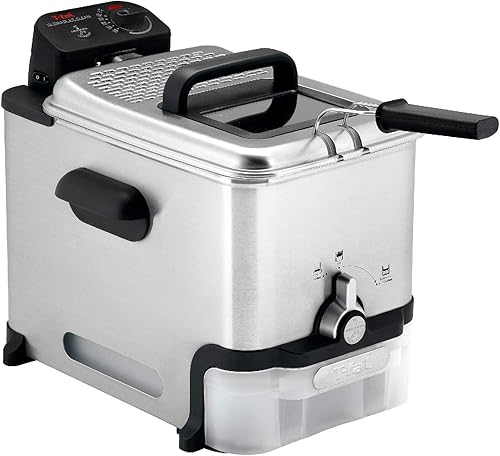
T-fal’s 3.5-litre fryer has adjustable temperature (300-375 °F) and an oil filtration system that drains and stores the oil after use.
Rating: 4.5 out of 5 (19.1K ratings)
Pros
- Oil filtration system
- Adjustable temperature
- 1700 W heating
Cons
- Bulky
- Filtration adds parts to clean
Best for large family batches: Gas One 10-Quart Aluminium Fry Pot

A 10-quart aluminium pot with a basket for frying on an outdoor burner or large stove, built for big batches.
Price when checked: $24.99 · Rating: 4.4 out of 5 (1.5K ratings)
Pros
- 10-quart capacity
- Basket included
- Inexpensive
Cons
- No built-in temperature control
- You will need a separate thermometer
Best for mid-size home frying: Hamilton Beach 3-Litre Deep Fryer
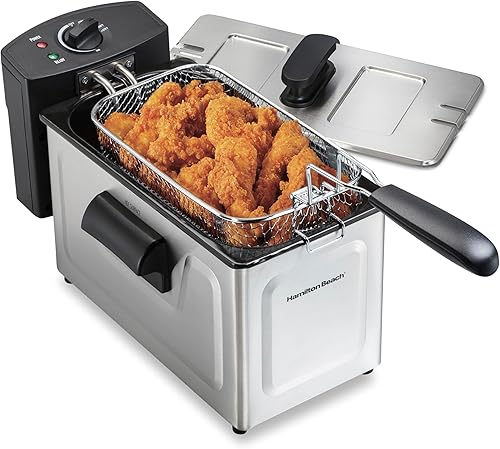
A 3-litre, 1500-watt Hamilton Beach fryer holding about 12 cups of oil, a middle size for family frying.
Price when checked: $59.99 · Rating: 4.5 out of 5 (2.2K ratings)
Pros
- 3-litre capacity
- Trusted brand
- Basket included
Cons
- Oil changes are messy
- Takes counter space
Best niche pick for snack variety: T-fal EZ Clean Compact Deep Fryer (1.8L)
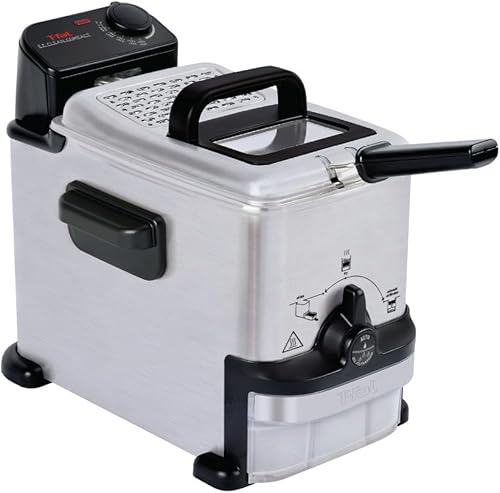
A compact stainless T-fal fryer with 1.8 litres of oil capacity, sized for occasional small batches.
Price when checked: $129.95 · Rating: 4.3 out of 5 (478 ratings)
Pros
- Compact 1.8 L
- Stainless build
- Easy-clean design
Cons
- Expensive for its size
- Small batches only
Best for large capacity: Chefman 4.5-Litre XL Deep Fryer

An XL 4.5-litre fryer with adjustable temperature and a timer, for frying larger batches at once.
Price when checked: $54.99 · Rating: 4.3 out of 5 (6.9K ratings)
Pros
- 4.5-litre capacity
- Adjustable temperature
- Built-in timer
Cons
- Uses a lot of oil
- Bulky
Best for budget choice: Amazon Basics 3-Litre Deep Fryer

Amazon’s own 3-litre fryer with adjustable temperature, a draining basket and a viewing window at a modest price.
Price when checked: $58.67 · Rating: 4.4 out of 5 (3.6K ratings)
Pros
- Adjustable temperature
- Viewing window
- Good value
Cons
- Single basket
- Basic features
Best compact and portable option: Presto FryDaddy Electric Deep Fryer
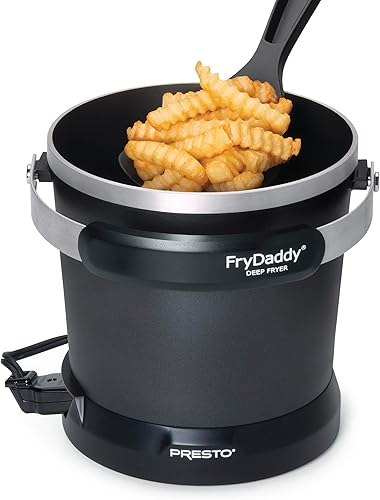
Presto’s long-running FryDaddy: a simple, compact electric fryer that is easy to store and carry.
Rating: 4.6 out of 5 (30.4K ratings)
Pros
- Compact
- Simple to use
- Huge review count
Cons
- No adjustable temperature
- No viewing window
How to choose the right deep fryer for your needs
Before buying a deep fryer for samosas and pakoras, consider how often and in what quantities you plan to fry. If you fry only occasionally or in small batches, a compact model with around 2 to 3 litres capacity may suffice. Frequent or large-quantity frying benefits from larger capacity and faster heat recovery wattage.
Temperature control accuracy is key for consistent results; digital controls offer better precision but might cost more. Also, consider how much cleaning you are willing to do. Removable containers and dishwasher-safe parts reduce effort, while oil filtration extends oil usability and lowers costs.
If counter space is limited, prioritize compact designs. For multi-snack menus, models with multiple baskets offer cooking flexibility. Those who only want to air-fry samosas or pakoras might find an air fryer more suitable, which is covered under our related discussions on sous vide vs air fryer.
Additionally, consider energy efficiency. Fryers with insulated bodies retain heat better, reducing electricity consumption by up to 15%. Timer functions and auto shut-off features improve safety and prevent overheating, which can degrade oil faster.
Warranty and brand reputation are also important. Investing in a fryer with at least a one-year warranty and positive user reviews ensures reliability and access to customer support in case of issues.
Finally, think about accessories and extras. Some fryers come with skimmers, additional baskets, or oil filters included, adding value and convenience for frequent users.
Related reading
- Top 8 steamer baskets for vegetables with practical use insights
- Best Oil Splatter Screens for Cast Iron Pans
- Grill basket vs grill mat: practical differences for better BBQ cooking
Frequently Asked Questions
What is the ideal oil temperature for frying samosas and pakoras?
Samosas and pakoras typically fry best at oil temperatures between 350°F and 375°F (175°C to 190°C). Maintaining this range ensures the exterior crisps quickly without absorbing excess oil, while cooking the filling thoroughly. Temperatures outside this range can cause undercooked interiors or burnt outsides.
How much oil capacity do I need for home frying of samosas and pakoras?
For home use, a fryer with an oil capacity between 3 to 4 litres (approximately 3.2 to 4.2 quarts) is sufficient for most family-sized batches. Smaller capacities require more frequent oil refills and can cause temperature drops affecting quality. Larger capacities suit bigger gatherings but take more space and oil.
Can I use an air fryer instead of a deep fryer for samosas and pakoras?
Air fryers can cook samosas and pakoras with less oil, resulting in lower calorie content and easier cleanup, but they do not replicate the exact texture of traditional deep frying. If crispiness and authentic texture are priorities, a deep fryer is preferable. For health-conscious cooks, air fryers offer a practical alternative, but expect differences in mouthfeel.
Rimi Sultana is a home cook from Bangladesh who has cooked for her family every day for the past five years and writes about it at Smart Cooks. Perpetually testing whether internet-famous recipes actually work in a regular home kitchen. Say hello on Facebook or through the contact page.