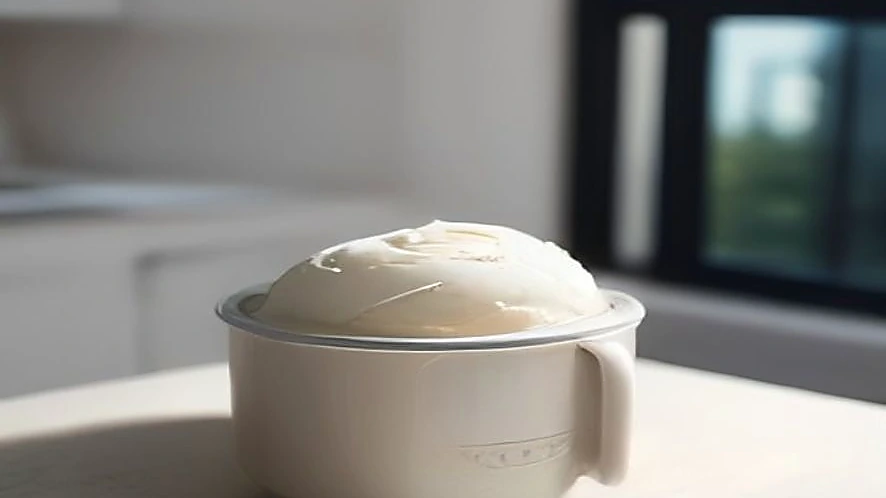
Making ice cream at home in small quantities requires equipment that balances capacity with efficient freezing and churning mechanisms. The key difference lies in how each machine manages temperature control and ice crystal formation to produce a creamy texture without needing large batches.
Some links in this post are affiliate links. If you buy through them we may earn a small commission at no extra cost to you — it never changes which products we recommend.
A good small batch ice cream maker will maintain a consistently low temperature through either a pre-frozen bowl or built-in compressor, while also agitating the mixture to incorporate air evenly. Machines that lack precise cooling or churn too slowly often yield icy or grainy results, especially in smaller volumes where heat transfer dynamics differ.
What actually matters
Choosing the right ice cream maker involves understanding how capacity, freezing technology, and ease of cleaning impact your experience and the final ice cream quality.
Capacity directly influences freezing time and batch frequency. For example, a 1-quart machine typically freezes a batch in 20-30 minutes, whereas a 2-quart model may require 40-50 minutes due to the larger volume. This difference affects how many batches you can make in an hour and the total quantity produced.
Freezing technology plays a crucial role in texture and convenience. Pre-frozen bowl machines rely on a gel that freezes to approximately -20°C (-4°F). During churning, the bowl absorbs heat from the mixture, but its temperature gradually rises, limiting churning to about 20-30 minutes before the bowl needs refreezing. This means you can typically make one batch every 12-24 hours unless you have multiple bowls frozen in advance. Compressor models maintain a steady temperature around -23°C (-10°F) or lower throughout the churning process, enabling continuous batches without interruption. This results in smoother ice cream with smaller ice crystals, as the freezing process is more consistent and controlled.
Ease of cleaning affects long-term usability. Machines with dishwasher-safe, removable parts reduce cleanup time significantly. For instance, models with detachable paddles and bowls can be rinsed immediately after use to prevent residue buildup, which can affect future batches and machine longevity. Compressor units often have fewer detachable parts but require wiping the cooling system and exterior to maintain performance. Neglecting cleaning can lead to motor strain or bacterial growth, impacting both machine life and food safety.
Capacity and batch size
Small batch ice cream makers typically hold between 0.5 and 2 quarts (0.5 to 2 litres). Smaller capacity machines freeze mixtures faster due to less volume, but require more frequent batches for larger families or gatherings. For example, a 0.5-quart machine can freeze a batch in approximately 15-20 minutes, suitable for one or two servings, while a 2-quart machine may take up to 50 minutes but produces enough for 8-10 servings.
Larger capacity models can accommodate more mix but often take longer to freeze and churn thoroughly. The increased volume means more heat must be extracted, which can extend freezing times and affect texture if the machine’s cooling mechanism isn’t sufficiently robust. Users should consider their typical serving needs and batch frequency to select an appropriate size.
Freezing method and temperature control
There are two main freezing mechanisms: pre-frozen bowl and compressor. Pre-frozen bowls rely on a liquid gel inside the bowl that must be frozen overnight at about -4°F (-20°C) or colder. The cold bowl absorbs heat from the mixture during churning but loses effectiveness after about 20-30 minutes, limiting batch size and continuous use. This means that for multiple batches, users must plan to freeze additional bowls or wait several hours between batches.
Compressor models actively cool the mixture during churning, maintaining a constant temperature as low as -10°F (-23°C). This allows longer run times without re-freezing the bowl and more precise texture control but usually comes with a higher cost and larger footprint. The constant temperature helps reduce ice crystal size to under 50 microns, which is associated with smoother and creamier ice cream. Additionally, compressor units often include thermostatic controls to fine-tune freezing cycles based on recipe requirements.
Ease of cleaning and maintenance
Cleaning complexity varies with design. Machines with removable bowls, paddles, and lids simplify cleanup, especially when dishwasher safe. For example, some models allow all parts except the motor base to be placed in a dishwasher, reducing manual effort and ensuring thorough sanitation.
Compressor units generally have fewer detachable parts but may require wiping and maintenance of the cooling system. Regular maintenance includes cleaning vents and checking seals to prevent dust buildup and ensure efficient cooling. Failure to maintain these components can lead to reduced performance and higher energy consumption.
Complicated assembly or hard-to-reach crevices can discourage frequent use. Users should consider models with intuitive assembly and smooth surfaces that minimize residue traps to encourage regular cleaning and prolong machine life.
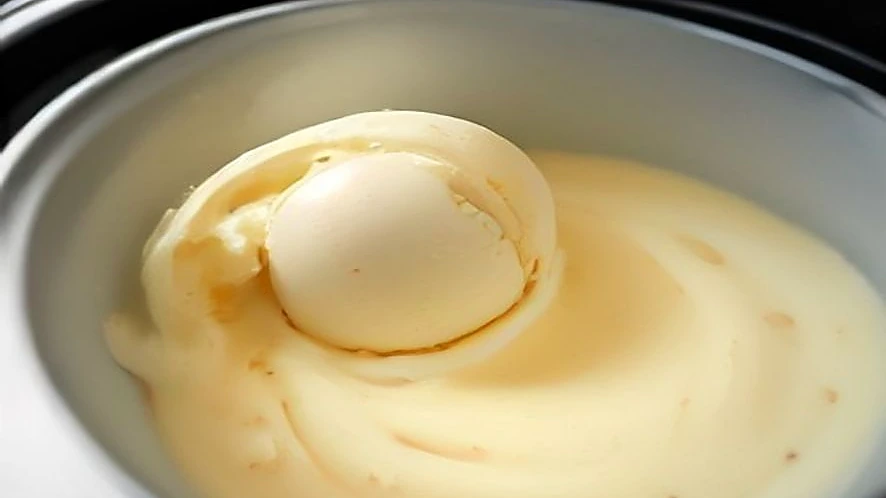
Choosing the right small batch ice cream maker
If you want quick, multiple batches or consistently smooth results, a compressor model is worth the investment despite its size and cost. Compressor units can churn continuously for 30-60 minutes per batch and produce up to 1.5 quarts (1.4 litres) without pre-freezing. Their steady temperature control results in ice cream with a creamy texture and minimal ice crystal growth, improving mouthfeel and storage longevity.
For occasional use or very small quantities, pre-frozen bowl machines offer a compact and affordable option but require pre-planning and limits on consecutive batches. These models typically freeze batches in 20-30 minutes but need 12 or more hours to refreeze the bowl, so they are best suited for casual users or those making single batches.
Manual hand-cranked makers appeal to enthusiasts who enjoy the process and don’t mind labour, but they’re impractical for everyday use. Their batch sizes are small, usually around 0.5 quarts (0.5 litres), and temperature control depends on the quality and quantity of ice and salt used, leading to variable results.
Portable soft serve machines serve a niche for frozen desserts on the go but won’t produce traditional ice cream textures. They typically use a coolant pack and manual churning, limiting batch size to about 0.75 quarts (0.7 litres) and are designed for soft serve rather than hard-set ice cream.
Those without freezer space for pre-frozen bowls or limited kitchen counter room may find none of these ideal. In that case, store-bought or freezer-free dessert alternatives might be more practical. However, understanding the trade-offs in capacity, freezing method, and maintenance can help select a machine that best fits your lifestyle and preferences.
| Pick | Best for | Capacity (qt/l) | Freezing mechanism | Watch out for |
|---|---|---|---|---|
| 1-Quart Compressor Ice Cream Maker | No pre-freezing | Compressor, digital, 1-quart | Pre-frozen bowl | Very few reviews |
| Elite Gourmet EIM418 4-Quart Wood Bucket Ice Cream Maker | Niche: Hand-crank traditional style | 0.5 qt / 0.5 L | 4-quart | Needs ice and rock salt |
| Whynter ICM-128WS Compressor Ice Cream Maker | Precision and continuous use | Compressor, 128ws | Compressor | Heavy |
| Elite Gourmet EIM1750 1-Quart Ice Cream Maker | Compact electric with quick cycles | 1 qt / 1 L | Electric, 1-quart | Bowl must be frozen beforehand |
| Classic Cuisine Double Bowl Ice Cream Maker | Budget-friendly, easy to use | 1.2 qt / 1.1 L | 1-quart | Bowl needs pre-freezing |
| Elite Gourmet 4-Quart Wood Bucket Ice Cream Maker | Old-fashioned large batches | Wood, electric, 4-quart | Manual/coolant pack hybrid | Needs ice and rock salt |
From my kitchen
Once I tried making a second batch immediately after finishing one in a pre-frozen bowl model, the mixture never fully solidified and ended up watery. The bowl’s gel had warmed too much during the first batch. I solved this by freezing the bowl overnight again before starting the second batch, which restored the proper freezing capacity. This taught me that machines relying on pre-frozen bowls require patient planning when making multiple batches.
Additionally, I observed that the texture of ice cream from pre-frozen bowl machines can vary depending on ambient temperature and initial bowl temperature. On warmer days, the bowl warms faster, reducing effective churning time and leading to slightly icier results. Conversely, compressor models maintained consistent texture regardless of room temperature, emphasizing their advantage for frequent or larger batch use.
Worth Considering
Best for no pre-freezing: 1-Quart Compressor Ice Cream Maker

A 1-quart compressor ice cream maker with a digital display. The built-in compressor means there is no bowl to freeze the night before.
Price when checked: $199.99 · Rating: 4.3 out of 5 (8 ratings)
Pros
- No pre-freezing
- Digital display
- Good for small batches
Cons
- Very few reviews
- Expensive for 1 quart
Best niche pick for tradition: Elite Gourmet EIM418 4-Quart Wood Bucket Ice Cream Maker

A 4-quart wooden bucket ice cream maker that uses ice and rock salt the old-fashioned way.
Price when checked: $69.99 · Rating: 4.4 out of 5 (1.1K ratings)
Pros
- Traditional ice-and-salt method
- 4-quart capacity
- Nostalgic design
Cons
- Needs ice and rock salt
- Messier than modern machines
Best for precision and continuous use: Whynter ICM-128WS Compressor Ice Cream Maker

Whynter’s upright 1.28-quart compressor machine can churn batch after batch without refreezing a bowl.
Rating: 4.5 out of 5 (2.5K ratings)
Pros
- Built-in compressor
- Compact upright shape
- Well reviewed
Cons
- Heavy
- Takes counter space
Best compact electric: Elite Gourmet EIM1750 1-Quart Ice Cream Maker

A compact 1-quart electric ice cream maker with a freezer bowl, sized for small kitchens.
Price when checked: $29.99 · Rating: 3.7 out of 5 (425 ratings)
Pros
- Compact
- 1-quart batches
- Low price
Cons
- Bowl must be frozen beforehand
- Mixed reviews (3.7 stars)
Best budget-friendly choice: Classic Cuisine Double Bowl Ice Cream Maker

A budget 1-quart ice cream maker with a double-walled freezer bowl.
Price when checked: $52.99 · Rating: 3.8 out of 5 (62 ratings)
Pros
- Low price
- Simple to use
- Compact
Cons
- Bowl needs pre-freezing
- Mixed reviews
Best for old-fashioned large batches: Elite Gourmet 4-Quart Wood Bucket Ice Cream Maker

A 4-quart wooden bucket machine with an electric motor and a bonus hand crank. It uses ice and rock salt the traditional way.
Price when checked: $85.99 · Rating: 4.4 out of 5 (1.1K ratings)
Pros
- 4-quart capacity
- Electric or hand crank
- Nostalgic design
Cons
- Needs ice and rock salt
- Messier than compressor models
Choosing the right small batch ice cream maker
If you want quick, multiple batches or consistently smooth results, a compressor model is worth the investment despite its size and cost. Compressor units can churn continuously for 30-60 minutes per batch and produce up to 1.5 quarts (1.4 litres) without pre-freezing. Their steady temperature control results in ice cream with a creamy texture and minimal ice crystal growth, improving mouthfeel and storage longevity.
For occasional use or very small quantities, pre-frozen bowl machines offer a compact and affordable option but require pre-planning and limits on consecutive batches. These models typically freeze batches in 20-30 minutes but need 12 or more hours to refreeze the bowl, so they are best suited for casual users or those making single batches.
Manual hand-cranked makers appeal to enthusiasts who enjoy the process and don’t mind labour, but they’re impractical for everyday use. Their batch sizes are small, usually around 0.5 quarts (0.5 litres), and temperature control depends on the quality and quantity of ice and salt used, leading to variable results.
Portable soft serve machines serve a niche for frozen desserts on the go but won’t produce traditional ice cream textures. They typically use a coolant pack and manual churning, limiting batch size to about 0.75 quarts (0.7 litres) and are designed for soft serve rather than hard-set ice cream.
Those without freezer space for pre-frozen bowls or limited kitchen counter room may find none of these ideal. In that case, store-bought or freezer-free dessert alternatives might be more practical. However, understanding the trade-offs in capacity, freezing method, and maintenance can help select a machine that best fits your lifestyle and preferences.
Related reading
- Best Home Water Carbonator Systems: Top SodaStream Alternatives
- Best Large & Easy-to-Clean Spoon Rests
- Cookie Scoop Sizes: What Actually Matters
Frequently Asked Questions
Do I always need to freeze the bowl overnight with a pre-frozen ice cream maker?
Yes. The bowl contains a gel that freezes to around -20°C (-4°F) or colder and absorbs heat from the ice cream mixture during churning. Without freezing it overnight, the bowl won’t be cold enough to properly freeze the mixture, resulting in a soft or runny texture. Some models require at least 12 hours of freezing time to reach optimal temperature.
Can I add mix-ins like chocolate chips during churning?
Most ice cream makers allow adding solid mix-ins during the last few minutes of churning to prevent them from breaking down or sinking. However, pre-frozen bowl models with smaller paddles or tight clearances may jam if large chunks are added too early. Always check the manual for recommended mix-in timing and size.
Which freezing method produces smoother ice cream?
Compressor ice cream makers maintain a consistent low temperature while churning, which slows ice crystal growth and produces smoother, creamier ice cream. Pre-frozen bowl models start very cold but warm during use, which can cause larger ice crystals and slight graininess if the cycle is too long or batch size too large.
Related: Top 7 waffle makers for Belgian waffles: precise control and authentic texture

Rimi Sultana is a home cook from Bangladesh who has cooked for her family every day for the past five years and writes about it at Smart Cooks. Perpetually testing whether internet-famous recipes actually work in a regular home kitchen. Say hello on Facebook or through the contact page.