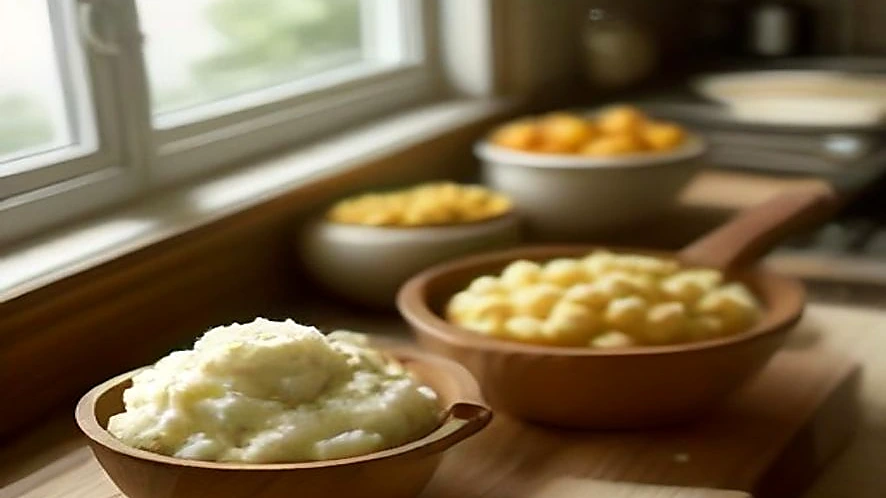
A potato masher and a potato ricer both serve to turn cooked potatoes into a softer form but they achieve this through fundamentally different mechanisms. The masher uses direct pressure to crush and break down the potatoes, leaving varying amounts of texture depending on pressure and design. The ricer, on the other hand, forces potato through small holes, creating strands or grains that are consistently fine and fluffier.
Some links in this post are affiliate links. If you buy through them we may earn a small commission at no extra cost to you — it never changes which products we recommend.
Understanding how each tool works reveals why they produce different textures and why some recipes or personal preferences lean towards one or the other. These differences also affect the time, effort, and cleanup involved, as well as the suitability for other foods or tasks beyond potatoes.
Where each one wins
The potato masher shines when you want to control texture manually, for example making rustic mashed potatoes with lumps or mixing in chunks of butter or herbs. Its simpler design also means it is faster to clean and better suited for quick tasks or small quantities.
The potato ricer is ideal for making uniformly smooth, fluffy mashed potatoes without lumps. It is preferred in recipes where texture impacts the final dish, such as duchess potatoes or gnocchi. The ricer also works well with other root vegetables and fruits that benefit from uniform straining.
When speed and ease of cleaning matter more than texture precision, the masher has an edge. For consistent fine texture with minimal effort on the potato’s initial softness, the ricer is more reliable.
Mechanically, the masher operates by applying direct force that crushes the potato cells, which can be adjusted by the amount of pressure and the design of the mashing plate—flat, wavy, or even perforated. This allows for varying degrees of mash consistency, from chunky to smoother blends. However, excessive force or over-mashing can rupture too many starch cells, releasing amylopectin and causing a gummy texture. On the other hand, the ricer uses a piston to push cooked potatoes through numerous small holes, effectively cutting the potato into fine strands without crushing the cells excessively. This method preserves the starch granules intact, leading to a lighter, fluffier texture and less risk of gumminess.
In terms of numbers, a typical masher might require 10-15 presses for a 2-pound batch of potatoes, with some repositioning to cover the entire pot. The force per press is moderate but repetitive. A ricer, conversely, requires fewer presses—around 5-7 for the same amount—though each press demands higher force due to the resistance of the holes. This tradeoff results in less total effort but a need for sturdier construction and ergonomic handles.
The consequences of choosing one over the other extend beyond texture. A masher’s simpler design means less time spent cleaning and fewer parts that can harbor food residue, which is beneficial for quick weeknight meals. The ricer’s multiple holes and moving parts can trap bits of potato, requiring careful rinsing and sometimes brushing. However, the superior texture it produces can elevate dishes significantly, especially when the mashed potato is a centerpiece or an ingredient in delicate recipes.
| Attribute | Potato masher | Potato ricer |
|---|---|---|
| Mechanism | Direct crushing with a flat or wavy plate | Pressing potato through small holes with piston |
| Texture control | Variable, depends on pressure and design; can be chunky or smooth | Consistently fine, fluffy strands with minimal lumps |
| Effort required | Lower force but requires multiple presses and repositioning | Higher initial force per press but fewer repetitions |
| Cleaning | Simple shape, quick rinse or dishwasher safe | More parts and holes can trap bits, requires careful cleaning |
| Versatility | Can mash other soft vegetables and fruits but less uniform | Best for potatoes and similar tubers; can also make gnocchi or spaetzle |
| Durability | Often all-metal or plastic-metal mix; fewer moving parts | Metal construction with hinges and discs prone to sticking if not cleaned |
From my kitchen
Once, while preparing mashed potatoes for a holiday dinner, I tried to speed up the process by using a masher on very hot, just-cooked potatoes. The mash came out uneven with tough lumps and some gummy patches from overwork. Switching to a potato ricer fixed the issue immediately. The ricer’s hydraulic pressing forced the potatoes through small holes without crushing the starch cells too much. The result was smooth, fluffy mash that held butter and cream well. It was a reminder that the right tool can save time and improve texture, especially when cooking for guests.
Reflecting on this experience, I realized the importance of potato preparation before mashing. Potatoes should be cooked until just tender, usually around 15-20 minutes boiling for Yukon Gold or Russet varieties, to ensure they break down easily without becoming waterlogged. Using a ricer on potatoes that are too hot or too soft can cause clogging or require excessive force, while a masher can handle a wider range of temperatures but risks overworking the starches.
Additionally, the amount of butter and cream added after mashing impacts the final texture. The ricer’s fine strands absorb these fats more evenly, creating a creamier mouthfeel. In contrast, a masher might leave uneven pockets of butter or cream if the mash is chunky, which some might prefer for rustic appeal but others may find less desirable.
Overall, these nuances highlight that while both tools achieve the basic goal of mashing, their mechanisms and optimal usage conditions differ significantly, influencing cooking outcomes and user satisfaction.
Worth Considering
Best for simple, heavy-duty mashing: PriorityChef Large 15oz Potato Ricer

This ricer combines heavy-duty stainless steel construction with a large 15-ounce capacity, making it suitable for pressing significant batches of potatoes or root vegetables. It is ideal for cooks who prioritise smooth, lump-free textures but don’t want to fuss over delicate handling. However, it may be bulky and less suited for quick small servings.
Brand: Priority Chef · Price when checked: $21.99 · Rating: 4.6 out of 5 (214 ratings)
Pros
- Robust stainless steel build for durability
- Large capacity reduces pressing cycles
- Presses potatoes into fine, fluffy strands
Cons
- Heavier and bulkier than some mashers
- More parts to clean due to the pressing mechanism
Best for ergonomic, versatile pressing: KAYCROWN Potato Ricer with 4 discs
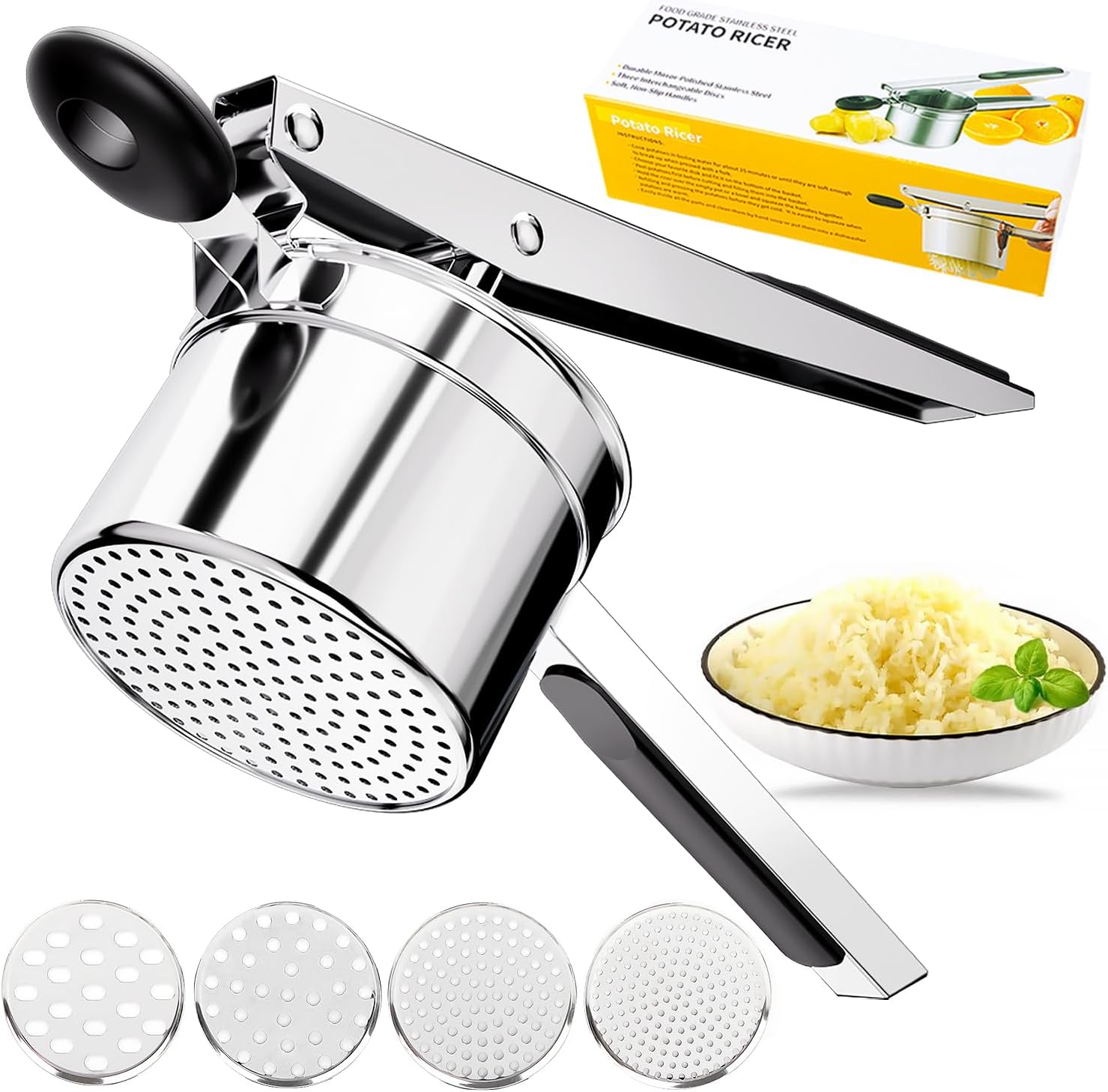
KAYCROWN’s potato ricer includes four interchangeable discs to adjust the hole size, allowing for finer or coarser pressing. The ergonomic cushioned handles provide comfort and leverage for easier pressing. It excels at producing lump-free, fluffy mash and can also handle other vegetables and tasks like making gnocchi or spaetzle. The tradeoff is slightly more cleaning effort and the need for storage of extra discs.
Brand: KAYCROWN · Price when checked: $18.99 · Rating: 4.4 out of 5 (1,196 ratings)
Pros
- Four discs offer texture versatility
- Ergonomic non-slip handles reduce hand fatigue
- Heavy-duty stainless steel ensures longevity
Cons
- Hinges and holes can trap food particles
- Requires more cleaning attention than a masher
When a different tool is better
Neither a potato masher nor a ricer is the best choice when you want ultra-smooth mashed potatoes without any fibrous texture or lumps at all. In those cases, a food mill or an electric mixer can break down potatoes to a completely uniform puree by mechanically cutting or whipping the cooked potato cells.
Conversely, for rustic mashed potatoes with large chunks or a rougher texture, a fork or even your hands can be enough. Also, if you want to mix in other ingredients like roasted garlic or caramelised onions with minimal breaking down of potato pieces, a masher offers more control than a ricer.
Finally, for large batch commercial or frequent use, stand mixers with paddle attachments or dedicated potato mashers with rotating blades might be more efficient. The masher and ricer remain best for home cooks who balance effort, texture, and occasional use.
Related reading
- 8 Best Grain Mills in 2026 (Impact vs Stone vs the Immortal Corona)
- Stand Mixer vs Hand Mixer: Which Do You Actually Need?
- The 10 Best Stand Mixers for Kneading Bread Dough in 2026
Frequently Asked Questions
Can I use a potato ricer for other vegetables?
Yes, a potato ricer works well with other soft root vegetables like carrots, sweet potatoes, pumpkins, and turnips once cooked thoroughly. It can also be used to make purees of fruits such as apples or pears. The consistent pressing through small holes helps create fine textures suitable for recipes like gnocchi or spaetzle. However, very fibrous or hard vegetables may clog the holes or require more effort.
What causes mashed potatoes to be gummy and how do these tools affect that?
Gummy mashed potatoes result from overworking the starch cells, releasing too much amylopectin which binds water and creates a gluey texture. A potato masher can cause this if used with excessive force or repeated pressing on starchy potatoes. A ricer reduces this risk by cutting potatoes into strands rather than crushing them, limiting cell rupture. Using the right tool and cooking potatoes to the right softness helps avoid gumminess.
How do I clean and maintain a potato ricer compared to a masher?
Potato mashers typically have a simple, solid head that rinses clean quickly and can often be put in the dishwasher. Ricers have multiple small holes and hinges where potato bits can get stuck, requiring more thorough rinsing and sometimes brushing. Stainless steel models are less prone to rust but should be dried completely. Disassembling any removable parts after use helps prevent buildup and keeps the ricer operating smoothly.

Rimi Sultana is a home cook from Bangladesh who has cooked for her family every day for the past five years and writes about it at Smart Cooks. Perpetually testing whether internet-famous recipes actually work in a regular home kitchen. Say hello on Facebook or through the contact page.