
Portable induction cooktops vary primarily in how they manage heating control, power output, and physical footprint. The best models deliver consistent temperature regulation through precise electronic adjustments, ensuring efficient energy use and minimal heat loss to the surroundings.
Some links in this post are affiliate links. If you buy through them we may earn a small commission at no extra cost to you — it never changes which products we recommend.
For a small apartment, size and safety features are just as critical as performance. A truly portable induction cooktop must fit comfortably on limited counter space while offering intuitive controls and safety mechanisms like auto shut-off when no pan is detected.
What actually matters
Choosing the right portable induction cooktop depends on how it produces and controls heat, the size of its cooking surface, and the safety features built into its electronics.
Understanding the core technology behind induction cooking helps in making an informed choice. Induction cooktops use electromagnetic fields to induce heat directly in the cookware, rather than heating the cooktop surface itself. This results in faster heating times, often up to 50% quicker than traditional electric or gas stoves, which is critical in small apartments where efficiency matters.
Power output in portable induction cooktops typically ranges from 200 watts to 1800 watts. Higher wattage translates to faster heating and the ability to reach higher temperatures, essential for techniques like searing or boiling water quickly. For example, the Duxtop 1800W Gold 8100MC can reach full power in under 30 seconds, enabling rapid cooking.
The number of power or temperature levels directly impacts cooking precision. Models offering 15 to 20 distinct levels allow users to simmer delicate sauces or maintain a gentle heat for slow cooking, reducing the risk of burning. This granularity is especially important in small apartments where ventilation may be limited and overheating can be problematic.
Cooking surface size is another crucial factor. Portable cooktops usually feature induction zones between 6 and 10 inches in diameter. A 7-inch zone fits most small to medium pans, but larger pans may not heat evenly, leading to hot spots or undercooked food. It’s advisable to match pan size to the cooktop’s induction zone for optimal results.
Safety features are indispensable in compact living spaces. Auto-pan detection prevents the cooktop from heating if no pan is present, shutting off after about 60 seconds to save energy and avoid accidents. Overheat protection monitors internal temperatures and triggers shutdown if the unit becomes too hot, protecting both the user and the electronics. Child lock functions are particularly valuable in family homes to prevent unintended activation.
Convenience features such as timers with minute increments allow precise cooking durations, which is useful for recipes requiring exact timing, like poaching eggs or simmering stocks. Some models also include preset cooking modes for common tasks like boiling, frying, or melting, simplifying operation for users less familiar with induction cooking.
Heating control and power levels
Induction cooktops heat by generating a magnetic field that induces electric currents in ferrous cookware, causing the pan itself to heat. The cooktop’s electronic controls adjust the strength of this field to vary the power output, typically from 200 to 1800 watts in portable models. More power levels or temperature settings allow finer control over cooking, which can prevent burning or undercooking delicate foods.
The efficiency of induction cooking is generally around 85-90%, compared to roughly 40-55% for gas and 65-75% for traditional electric stoves. This means more energy goes directly into cooking the food rather than heating the air or the cooktop surface, a significant advantage in small apartments where heat buildup can be uncomfortable.
For example, when boiling water, an 1800W induction cooktop can bring 1 liter of water to a boil in approximately 3-4 minutes, whereas a 1200W model might take closer to 6 minutes. This time savings is valuable for quick meal preparation in limited spaces.
Cooking surface size and compatibility
The diameter of the cooktop’s induction zone affects which pans fit properly and how evenly they heat. For small apartments, a smaller surface saves space but may restrict pan size. Cookware must be induction-compatible, meaning it contains ferrous metal to interact with the magnetic field. Cooktops often specify a minimum and maximum pan diameter to maintain efficient heating and safety.
Using pans that are too small for the induction zone can cause the cooktop to shut off or reduce power to avoid overheating the electronics. Conversely, pans that exceed the maximum diameter may heat unevenly, leading to inconsistent cooking results.
Common induction-compatible materials include cast iron, magnetic stainless steel, and enameled steel. Non-magnetic materials like aluminum, copper, or glass will not work unless they have a magnetic layer integrated into their base. Many manufacturers provide a simple magnet test: if a magnet sticks firmly to the pan’s base, it is induction-compatible.
In small apartments, space constraints often limit cookware size. A 7 to 8-inch induction zone is a practical compromise, accommodating most everyday pans such as 8-inch skillets or 6-inch saucepans. Some cooktops include flexible zones or bridge features to accommodate larger or odd-shaped pans, but these are less common in portable units.
Safety and convenience features
Auto-pan detection, timers, child locks, and overheat protection help prevent accidents and waste. For example, auto-pan detection switches the unit off if no pan is detected within 60 seconds, protecting the electronics and saving energy. Timers with minute increments aid precise cooking, while child locks prevent unintended operation in busy households.
Overheat protection sensors monitor the internal temperature of the cooktop and shut it down if it exceeds safe limits, typically around 250°F (121°C). This feature prevents damage to the cooktop and reduces fire risk, which is particularly important in small apartments with limited ventilation.
Child lock functions disable the control panel to prevent accidental changes or activation, a critical safety measure in homes with young children. Some models also feature residual heat indicators to warn users when the cooking surface remains hot after use.
Convenience features such as touch controls, LED displays, and preset cooking modes enhance user experience. Presets can include common tasks like boiling, frying, or simmering, reducing the need for manual adjustments and making cooking faster and more intuitive.
Energy efficiency is another consideration. Induction cooktops typically consume less power than traditional electric burners, with some models featuring eco-modes that optimize energy use during low-heat cooking.
Maintenance is simplified by the flat, smooth glass-ceramic surface common to most induction cooktops. Spills do not burn onto the surface as the cooktop itself remains relatively cool, making cleaning easier and faster.
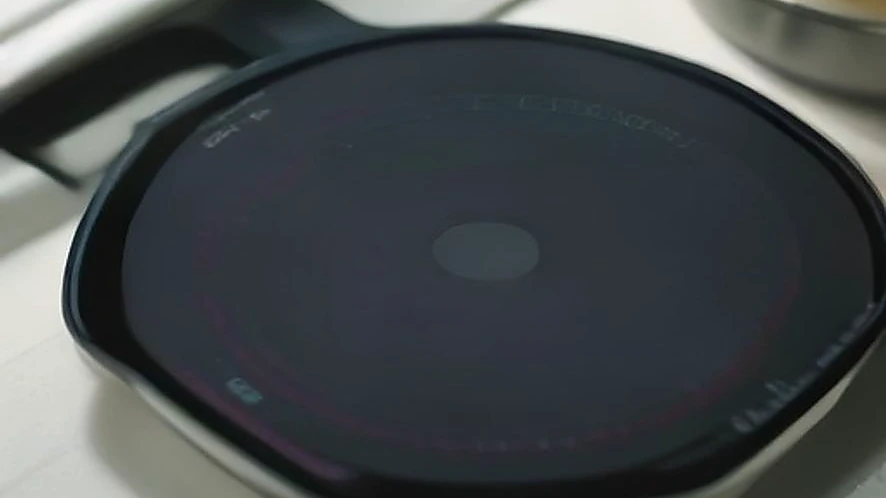
How to choose the right portable induction cooktop
If your priority is fine control over temperature, models like the Duxtop 8100MC or AAOBOSI with multiple power and temperature levels are preferable. Those who value ease of use and safety features might lean towards the Amazon Basics unit with presets and child locks.
For small kitchens with limited countertop space, single-burner cooktops with compact dimensions are usually best. The two-burner Duxtop 8620BI is suitable only if you can dedicate more space and need to cook multiple dishes simultaneously.
Avoid buying portable induction cooktops if your cookware is incompatible or if you require cooking methods they cannot support, such as open flame or very large pans. Induction also requires electricity, so users without stable power supply may want to consider alternatives.
When selecting a portable induction cooktop, consider the following numerical criteria:
– Power output: Aim for at least 1500 watts for general cooking tasks. Higher wattage enables faster heating and more versatile cooking.
– Temperature/power levels: More levels (15-20) provide better control for delicate recipes.
– Cooking surface diameter: Choose a size that matches your most common pans, typically 7-8 inches for small apartments.
– Safety features: Prioritize models with auto-pan detection, overheat protection, and child lock if applicable.
The consequences of selecting an underpowered or poorly controlled induction cooktop include longer cooking times, uneven heating, and increased risk of burning or undercooking food. In small apartments, inefficient cooktops can also lead to excessive heat buildup and discomfort.
Conversely, investing in a high-quality portable induction cooktop with advanced controls and safety features can improve cooking precision, reduce energy consumption, and enhance safety, making it a worthwhile addition to any compact kitchen.
| Pick | Best for | Power and control | Watch out for |
|---|---|---|---|
| Duxtop 1800W Gold 8100MC | Versatile power and timer control | 1800W, 15 temp & power levels, 170min timer | Requires induction-compatible cookware |
| Amazon Basics 1800W | User-friendly presets and safety | 1800W, 8 power settings, preset modes, 3hr timer | Limited power level granularity |
| AMZCHEF Portable | Budget choice with simple design | 1800W, 20 temp & power levels | No detailed safety features specified |
| AAOBOSI Portable | Precise temp control for varied cooking | 1800W, 20 temp & power levels, timer | Support reliability depends on service |
| Duxtop 2 Burner 8620BI | Dual burner and built-in option | 1800W per burner, scratch-resistant glass | Larger footprint, higher price |
From my kitchen
Once, while preparing a simmered sauce on the Duxtop 1800W Gold 8100MC, I found the temperature settings too coarse for a delicate reduction. The lowest setting still overheated the sauce, causing it to stick. I solved this by using a thinner pan with better heat conduction and manually cycling the power off and on to maintain a lower effective temperature. This episode taught me that even with precise electronic controls, understanding cookware material and manual adjustment remains essential.
This experience highlights the importance of knowing your cookware’s thermal properties. For example, cast iron retains heat longer, which can lead to overshooting target temperatures if the cooktop setting is too high. Conversely, thin stainless steel pans respond quickly but may require more attentive control.
Moreover, the cooktop’s temperature sensors rely on feedback from the cookware and the cooking zone, which can vary based on pan material and fill level. This variability means that even the most advanced induction cooktops benefit from user awareness and occasional manual intervention.
In small apartments, where ventilation and space are limited, managing heat output carefully prevents discomfort and potential fire hazards. Therefore, combining the cooktop’s electronic controls with good cookware choices and attentive cooking techniques ensures the best results.
Worth Considering
Best for precise temperature and timer control: Duxtop 1800W Portable Induction Cooktop Gold 8100MC
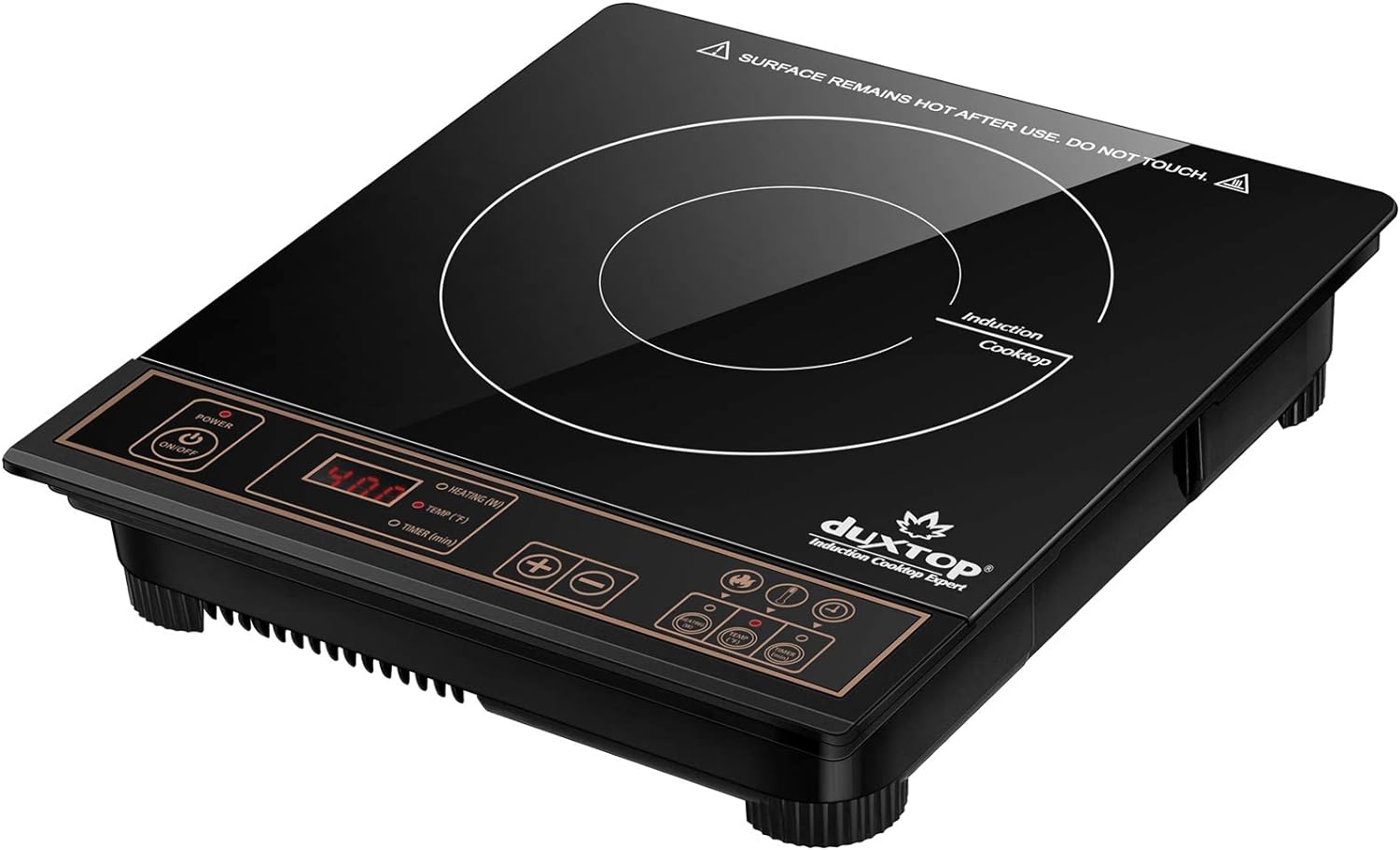
This cooktop offers 15 temperature and power levels and a digital timer up to 170 minutes, making it versatile for tasks from simmering to searing. Its lightweight design suits small kitchens, but it requires cookware with magnetic bases, which may mean replacing existing pans.
Brand: duxtop · Price when checked: $70.99 · Rating: 4.4 out of 5 (8,755 ratings)
Pros
- Fifteen distinct power and temperature settings
- Digital countdown timer with one-minute increments
- Auto-pan detection enhances safety and energy savings
Cons
- Only works with induction-compatible cookware
- No dual burner option for multitasking
Best for user-friendly presets and safety: Amazon Basics 1800W Portable Electric Induction Cooktop

This model simplifies cooking with preset modes and an LED display, suitable for users who prefer straightforward controls. Safety features like child lock and overheat protection make it a solid choice for family environments, but it offers fewer power settings than some competitors.
Brand: Amazon Basics · Price when checked: $49.47 · Rating: 4.1 out of 5 (17,337 ratings)
Pros
- Preset cooking modes for common tasks
- Child lock and overheat protection included
- Tempered glass surface is easy to clean
Cons
- Only eight power settings limit fine control
- Maximum temperature capped at 440°F (227°C)
Best budget option with simple functionality: AMZCHEF Portable Induction Cooktop

AMZCHEF’s cooktop provides 20 temperature and power levels at a budget-friendly price, making it attractive for occasional use. It lacks detailed safety features and advanced controls, so it suits users comfortable monitoring cooking closely rather than those needing automation.
Brand: AMZCHEF · Price when checked: $53.99 · Rating: 4.4 out of 5 (17,337 ratings)
Pros
- Wide range of 20 power and temperature levels
- Affordably priced for entry-level induction cooking
- Compact and lightweight design
Cons
- Minimal safety and error detection features
- No timer function included
Best for precision cooking with extensive controls: AAOBOSI Portable Induction Cooktop

With 20 power and temperature levels and a timer, this cooktop caters to users needing precise heat control for recipes requiring accuracy. It includes reliable customer support but may be less known, so prospective buyers should consider service availability.
Brand: AAOBOSI · Price when checked: $59.98 · Rating: 4.4 out of 5 (1524 ratings)
Pros
- Twenty preset temperature levels from 120°F to 465°F
- Timer function for controlled cooking durations
- Active customer support for troubleshooting
Cons
- Support quality varies by region
- Lacks specialized presets for quick user setup
Best for multitasking and built-in options: Duxtop 1800W Portable Induction Cooktop 2 Burner 8620BI

This two-burner unit suits users needing to cook multiple dishes simultaneously in a small space, with a durable glass surface for easy cleaning. It’s larger and more expensive than single burner models, so it fits best where counter space and budget allow.
Brand: duxtop · Price when checked: $173.99 · Rating: 4.2 out of 5 (752 ratings)
Pros
- Dual burners for simultaneous cooking
- Durable, scratch-resistant glass surface
- Option for built-in installation or countertop use
Cons
- Larger footprint may not fit very small kitchens
- Higher price compared to single burner units
Related reading
- Best Electric Skillet for Frying Chicken Evenly | Top Picks
- Common Mistakes People Make Buying a Saucepan
- Saucepan vs saucier: understanding the practical differences
Frequently Asked Questions
Can I use any pan on a portable induction cooktop?
No, induction cooktops require pans made of magnetic materials such as cast iron, enameled steel, or stainless steel with a magnetic base. Non-magnetic cookware like pure aluminium or copper will not heat on induction because the magnetic field cannot induce the required electric currents.
How precise is temperature control on portable induction cooktops?
Precision varies by model. Units with more power and temperature settings—often 15 to 20 levels—allow finer adjustments, which helps maintain consistent cooking temperatures. However, actual precision also depends on the cookware and how the cooktop detects and regulates heat output.
Are portable induction cooktops safe to use around children?
Many models include safety features such as child locks, auto shut-off when no pan is detected, and overheat protection. These features reduce the risk of accidental burns or fires. However, supervision is still important, as the cooking surface and cookware can become hot during use.

Rimi Sultana is a home cook from Bangladesh who has cooked for her family every day for the past five years and writes about it at Smart Cooks. Perpetually testing whether internet-famous recipes actually work in a regular home kitchen. Say hello on Facebook or through the contact page.