Vacuum sealers for freezer meal prep vary significantly in how effectively they remove air, seal bags, and handle different food types and moisture levels. A good vacuum sealer relies on its suction power, sealing method, and control over drying versus moist settings to create an airtight environment that slows freezer burn and preserves texture and flavour.
Some links in this post are affiliate links. If you buy through them we may earn a small commission at no extra cost to you — it never changes which products we recommend.
Not all vacuum sealers are suited for every user or food type. Some excel at dry foods and occasional use, while others handle liquids or bulk sealing better but may be larger or more complex. Understanding the mechanisms behind suction strength, heat sealing, and bag compatibility helps cut through marketing claims and choose a model that matches your freezer meal prep needs.
What actually matters
Choosing a vacuum sealer for freezer meals means focusing on how the machine extracts air and seals bags under varying conditions. Suction strength measured in kilopascals (kPa) or inches of mercury (inHg) defines how much air the machine removes. Stronger suction reduces oxygen contact, slowing freezer burn and preserving food quality longer. However, too strong suction without proper controls can crush delicate foods or leak liquids.
The sealing mechanism and temperature control are equally important. Most machines use heat sealing to bond bag layers. Single or double heat seals affect reliability and durability of seals, especially around moisture. Machines with adjustable sealing times or separate dry and moist food settings prevent weak seals or bag melting that compromise storage.
Suction power determines how thoroughly air is removed. Machines like the MegaWise and MZROT models list suction strength around 70-80 kPa, sufficient for most home freezer use. Lower suction models may leave residual air pockets, increasing freezer burn risk. Cordless handheld models tend to have lower suction but offer portability.
Suction strength must be balanced with the food type. Soft or fragile items require gentler vacuuming to avoid crushing. Machines with adjustable suction or pulse modes are preferable for versatile use.
Heat sealing binds the bag by melting plastic layers. Single heat seals generally work for dry foods but risk weaker bonds with moist contents. Double heat sealing improves strength and reduces seal failures. Some machines have dedicated settings for moist or dry food to adjust sealing time and temperature accordingly.
Bag compatibility affects cost and waste. Some sealers accept generic bags and rolls; others require proprietary bags which may be pricier. Roll cutters integrated into the machine help reduce bag waste by customising bag size.
User-friendly features like one-touch lid opening, compact size, and vertical storage matter for daily kitchen use. Some models include built-in bag cutters or connect to handheld sealers for sous vide cooking. These add convenience but might increase price or complexity.
Automatic operation versus manual control influences how much the user must monitor sealing. Fully automatic sealers detect bag placement and start vacuuming without manual intervention, ideal for frequent use.
| Pick | Best for | Suction power (kPa) | Watch out for |
|---|---|---|---|
| FoodSaver Compact | Dry and moist foods with minimal bag waste | N/A (not specified) | Limited bag size control, proprietary bags |
| Lseroton Vacuum Sealer | User-friendly daily use with single/double heat seal | N/A (not specified) | No suction rating, basic moisture control |
| MZROT Cordless Handheld | Portability and small batch sous vide use | 80 | Lower suction than countertop models, small bag capacity |
| VACLER Automatic Compact | Budget option with automatic sealing | N/A (not specified) | Moderate rating, likely less durable |
| HBN Automatic Sealer | Affordable automatic sealing with decent suction | 70 | No dry/moist settings, limited controls |
| MegaWise Vacuum Sealer | Strong suction and reliable sealing for bulk prep | 80 | No detailed moisture control, mid-size footprint |
From my kitchen
Once, while vacuum sealing a batch of marinated chicken thighs, I noticed the seal was incomplete and air was still inside the bag. The culprit was the moisture from the marinade pooling near the seal area, which prevented proper bonding during heat sealing. Switching to a vacuum sealer with a dedicated moist food setting allowed me to extend the sealing time and temperature to melt the plastic layers fully despite the moisture. This fixed the issue and prevented freezer burn on the thighs after weeks in the freezer.
Worth Considering
Best for mixed dry and moist food: FoodSaver Compact Vacuum Sealer Machine

It offers unique dry and moist settings that adjust sealing time and temperature, improving seal quality across food types. The reduced bag waste feature cuts costs over time. Not suited for users needing larger sealing capacity or fully adjustable suction.
Brand: FoodSaver · Price when checked: $69.99 · Rating: 4.2 out of 5 (1634 ratings)
Pros
- Separate dry and moist food sealing modes
- Reduced bag waste by 35% from roll cutting
- Compact vertical storage design
Cons
- Uses proprietary bags, adding ongoing cost
- No suction strength specification limits comparison
Best for straightforward daily use: Lseroton Vacuum Sealer Machine
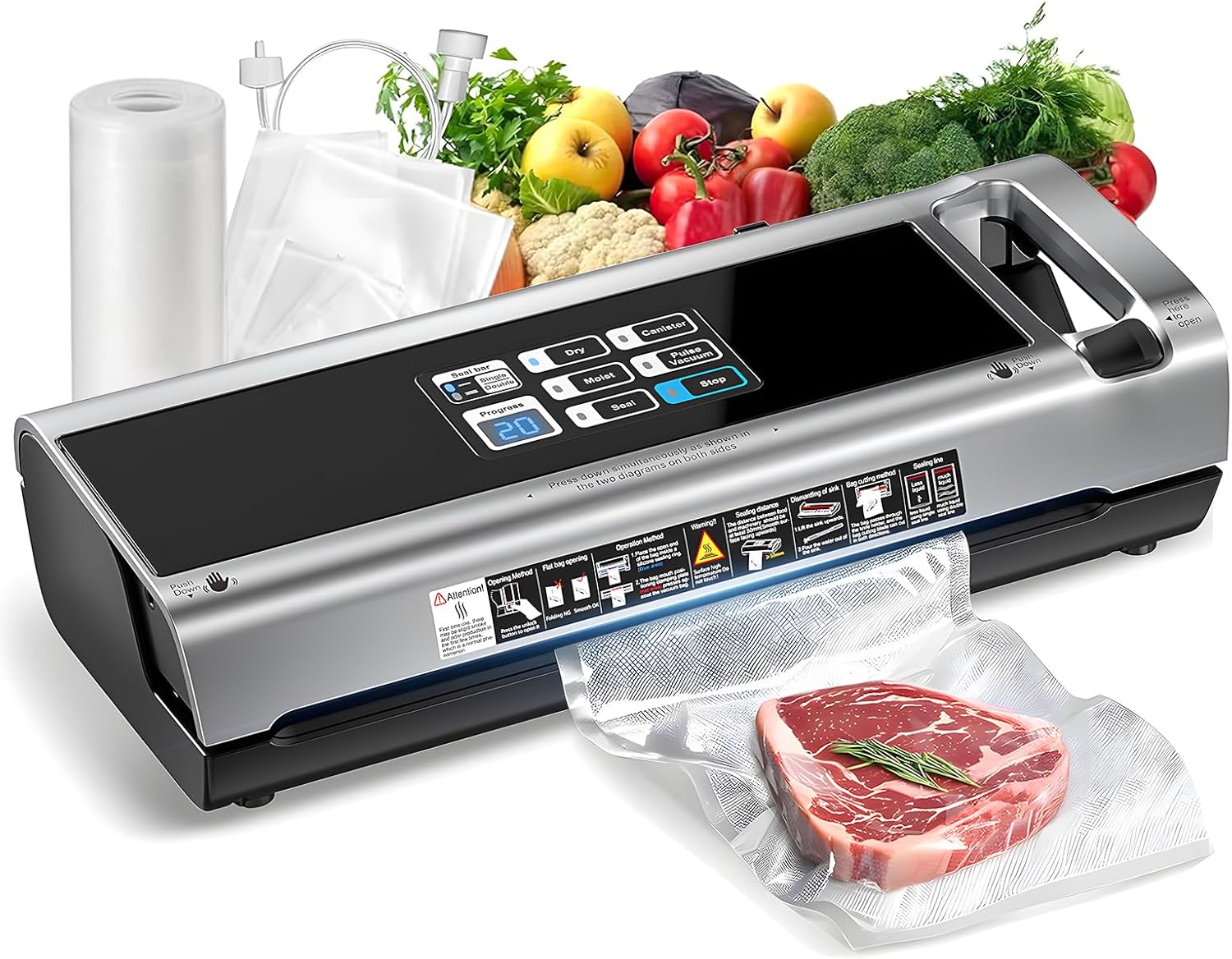
Its one-touch lid operation and single/double heat seal provide hassle-free sealing for most household needs. Suitable for dry and moist foods with heavier sealing for bulk storage. Less suited for users wanting precise suction control or advanced features.
Brand: Lseroton · Price when checked: $49.98 · Rating: 4.3 out of 5 (3,773 ratings)
Pros
- Single and double heat seal options
- User-friendly one-touch lid opening
- Built-in bag cutter included
Cons
- No stated suction power metric
- Basic moisture control, no fine tuning
Best for portability and small batch sous vide: MZROT Cordless Handheld Vacuum Sealer

This cordless handheld sealer offers around 80 kPa suction, adequate for small bags and sous vide prep. Its compact size suits limited kitchen spaces or outdoor use. Not ideal for large volume sealing or freezer meal bulk prep due to bag size limits.
Brand: MZROT · Price when checked: $20.97 · Rating: 4.5 out of 5 (844 ratings)
Pros
- 80 kPa suction power
- Cordless and portable design
- Comes with 30 reusable bags
Cons
- Limited sealing area and bag size
- Lower suction than countertop models for large meals
Best budget automatic option: VACLER Vacuum Sealer Machine

Offers automatic sealing and bag cutting at a low price point, good for users on a budget or occasional sealing. However, its 3.7 average rating and limited specification details suggest variable reliability and durability.
Brand: Brand: VACLER · Price when checked: $23.99 · Rating: 3.7 out of 5 (13,738 ratings)
Pros
- Automatic sealing simplifies use
- Compact size
- Includes bag cutter
Cons
- Lower customer ratings
- No suction power or moisture settings specified
Best for affordable automatic sealing: HBN Food Vacuum Sealer Machine

Features 70 kPa suction and automatic operation, making it a practical choice for straightforward freezer meal sealing. Lacks dedicated dry/moist food settings, so sealing moist or liquid-containing bags may require caution.
Brand: HBN · Price when checked: $19.99 · Rating: 4.4 out of 5 (30,132 ratings)
Pros
- 70 kPa suction power
- Automatic sealing function
- Includes one roll and 20 bags
Cons
- No separate dry or moist mode
- Limited user controls
Best for strong suction and bulk sealing: MegaWise Vacuum Sealer Machine
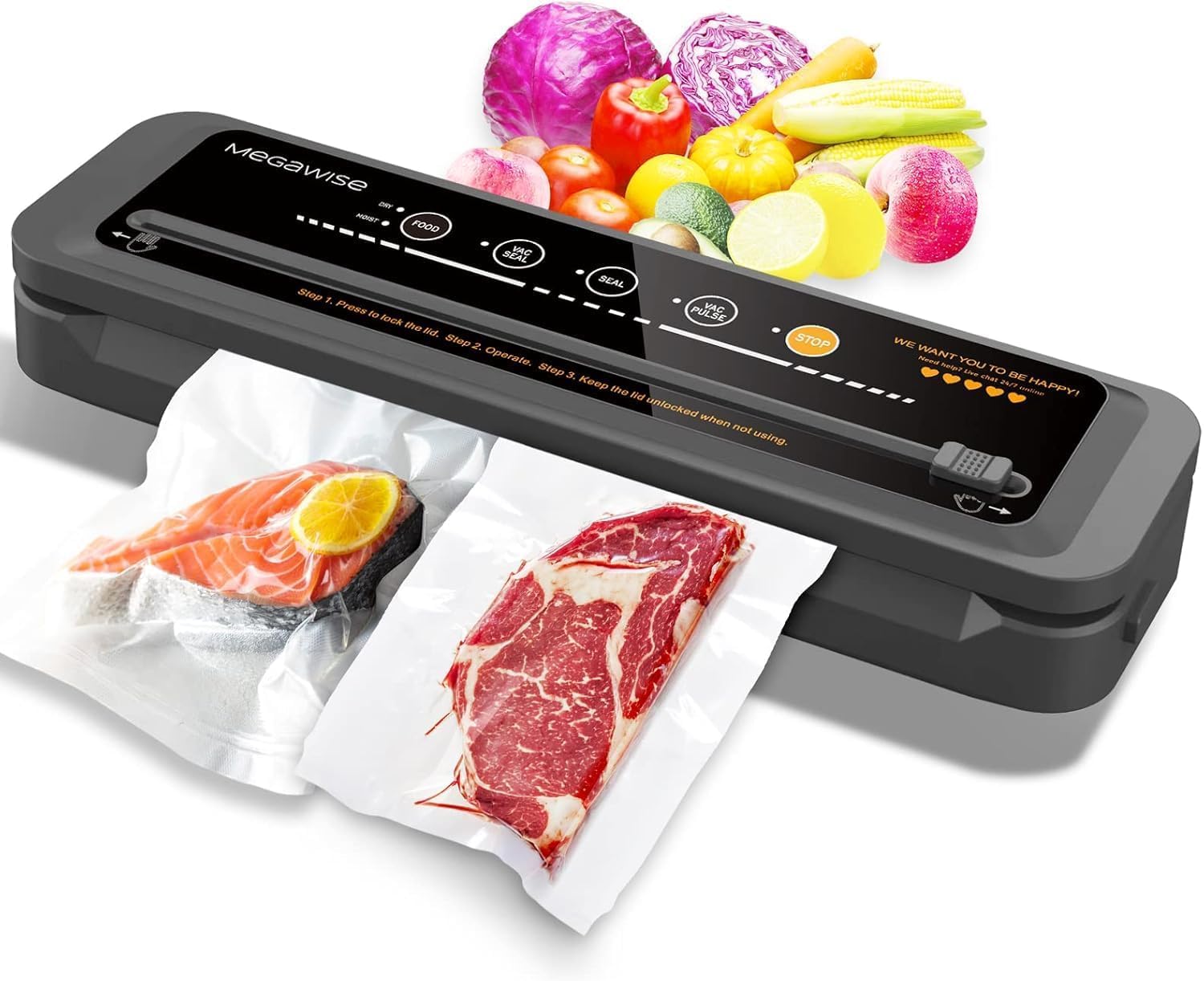
Delivers 80 kPa suction power for thorough air removal, suitable for users prepping large freezer meals regularly. Its sealing reliability is solid though it lacks detailed moisture control settings. Larger footprint may not suit small kitchens.
Brand: MEGAWISE · Price when checked: $41.99 · Rating: 4.2 out of 5 (1634 ratings)
Pros
- 80 kPa suction power
- Reliable vacuum and seal quality
- Vacuum seal machine design for bulk use
Cons
- No detailed dry/moist food settings
- Moderate size limits small kitchen storage
Who should consider these vacuum sealers and when not to buy
Vacuum sealers are best suited for those who regularly prepare meals in bulk and want to extend freezer storage without sacrificing food quality. If you only freeze occasionally or store fresh food short-term, the investment may not justify itself. Users dealing primarily with liquids or soups should choose sealers with adjustable moist food settings or chamber sealers designed for liquid retention.
Those with limited kitchen space should prioritise compact models like the FoodSaver Compact or handheld options like MZROT. For heavy-duty users sealing large quantities, machines with strong suction and double heat seals like MegaWise are more reliable. Also consider bag cost and compatibility, as some machines require proprietary bags that add recurring expense.
Related reading
- Wilton vs. Generic: Halloween Cookie Cutter Quality Comparison
- 10 Best Kitchen Countertops: Durable & Stylish Options for Your Home
- 35+ Easy Freezer Meals for New Moms (A Lifesaver!)
Frequently Asked Questions
Can vacuum sealing really prevent freezer burn on meals?
Vacuum sealing reduces oxygen exposure by removing air around food, which slows the dehydration and oxidation processes responsible for freezer burn. However, it does not eliminate it entirely; improper seals, residual moisture, or punctures in bags can still lead to freezer burn over time. Proper sealing technique and using suitable bags designed for vacuum sealing are critical for best protection.
Is there a difference between single and double heat seals?
Yes. Single heat seals use one pass of heat to bond the bag layers, which can be sufficient for dry foods but risks weaker seals especially with moist or liquid contents. Double heat seals apply heat twice, creating a thicker, more durable seal that reduces chances of leaks and seal failure. Machines offering double sealing improve reliability for freezer meal prep.
Can I vacuum seal liquids like soups for freezer storage?
Vacuum sealing liquids can be tricky because suction can draw liquid into the machine, damaging it or preventing a proper seal. Some vacuum sealers have specific settings for moist foods that slow suction or adjust sealing time to handle liquids better. Alternatively, pre-freezing liquids in flat pouches before vacuum sealing solidifies them, making sealing easier and safer.

Rimi Sultana is a home cook from Bangladesh who has cooked for her family every day for the past five years and writes about it at Smart Cooks. Perpetually testing whether internet-famous recipes actually work in a regular home kitchen. Say hello on Facebook or through the contact page.