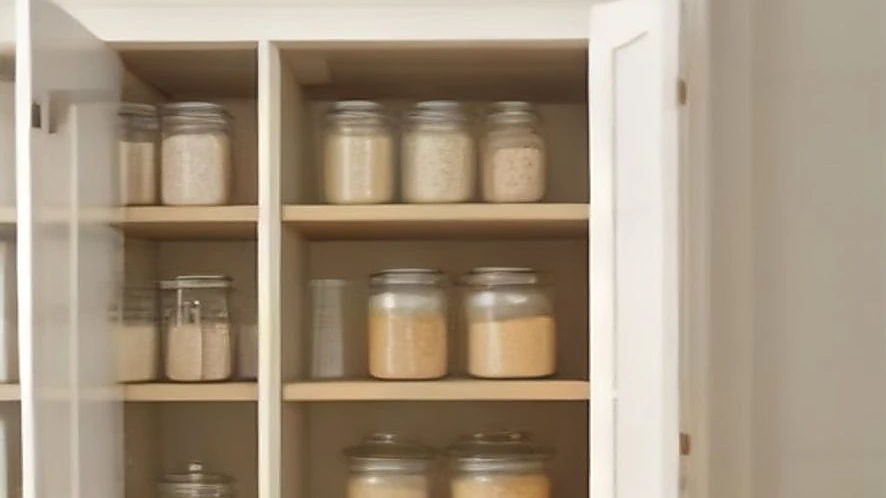
Choosing the right storage jars for flour and sugar depends on how well they keep these staples dry and protected from pests. The critical factor separating a good jar set from a poor one is the quality and design of the sealing mechanism. Without an effective airtight seal, flour and sugar can absorb moisture, leading to clumping or spoilage and attracting pantry pests.
Some links in this post are affiliate links. If you buy through them we may earn a small commission at no extra cost to you — it never changes which products we recommend.
Aside from the seal, capacity and the ease of scooping or pouring from the container also matter. Jars that are too small mean frequent refills, while overly large containers can be unwieldy and hard to store. The material—glass, plastic, or stainless steel—affects durability, ease of cleaning, and how well the contents’ condition can be visually monitored.
What actually matters
Understanding the specific features that influence the performance of pantry storage jars helps make an informed choice. This section breaks down the technical differences that affect freshness, usability, and durability.
The effectiveness of a storage jar ultimately hinges on its ability to maintain an airtight environment. Moisture ingress is the primary enemy of flour and sugar, as even a relative humidity increase of 5-10% inside the container can accelerate spoilage. Studies show that flour exposed to ambient humidity above 60% can develop mold or attract pests within weeks. Therefore, the sealing mechanism must consistently prevent air exchange to maintain relative humidity below 50%.
Moreover, the durability of the jar material plays a critical role in long-term use. Glass, while fragile, resists staining and odor absorption, making it ideal for visual monitoring and hygiene. Plastic jars, often made from BPA-free polypropylene or Tritan, offer impact resistance but may degrade under UV exposure or retain odors from molasses-rich sugars. Stainless steel jars provide superior durability and light protection but lack transparency, which can hinder freshness checks.
Airtight sealing mechanisms
The seal is the cornerstone of a flour or sugar jar’s effectiveness. Most airtight jars use silicone gaskets combined with locking lids or clamp closures that compress the gasket evenly around the opening. This compression prevents air and moisture ingress, which can cause spoilage or clumping.
Jars lacking a tight seal or using simple screw lids without gaskets allow ambient humidity to enter. Over time, this degrades the flour or sugar, making the contents unusable or unpleasant to bake with. Some jars use vacuum seals or locking clamps that provide a more reliable barrier but may require more effort to open.
Quantitatively, jars with silicone gasket seals can reduce moisture ingress by up to 90% compared to basic screw-top lids without gaskets. This means that the relative humidity inside a properly sealed jar can stay below 50% for months, preserving flour quality and texture. Conversely, jars without reliable seals may see moisture levels rise above 70% within just two weeks in humid environments, causing clumping and pest infestation.
Material and capacity considerations
Glass jars allow you to see the contents clearly and can be washed at high temperatures to remove residues. However, they are heavier and more prone to breaking if dropped. Plastic jars are lighter and less fragile but can retain odors and may stain over time, especially with sugars containing molasses or brown sugar.
Capacity should align with your baking habits. A 2 to 4-quart (1.9 to 3.8 litre) jar is typical for flour or sugar, balancing storage volume with manageability. Larger jars may require wider openings for easy scooping, while smaller jars may need more frequent refills, increasing the risk of contamination during transfers.
For example, a 4-quart jar can store approximately 5 pounds (2.3 kg) of all-purpose flour, sufficient for a household baking once or twice a week, reducing refill frequency and exposure to contaminants. Conversely, smaller 1.5-quart jars hold about 1.7 pounds (0.77 kg), requiring refills every few days for active bakers, which increases handling and contamination risk.
The choice of material also affects thermal stability. Glass withstands dishwasher temperatures up to 250°F (121°C), allowing sterilization, whereas most plastics tolerate only up to 140°F (60°C), limiting cleaning options. This can impact long-term hygiene and the prevention of microbial growth.
Shape and lid design for accessibility
Square or rectangular jars maximise pantry shelf space but can have narrower openings that make scooping harder. Round jars often have wider mouths for easier access but take up more shelf volume.
Lids that open fully and stay attached or hinged lids reduce the chance of misplacing the lid and are quicker to operate. Screw-top lids can be secure but may slow down access, especially when your hands are floury or sticky.
In terms of usability, jars with wider openings (3 to 4 inches in diameter) facilitate the use of large scoops or measuring cups, improving efficiency during baking. Narrow openings under 2.5 inches can increase spillage and slow down ingredient transfer. Additionally, hinged lids with locking clamps can reduce lid loss by 80% compared to removable lids, supporting better kitchen organization.
From a spatial efficiency perspective, square jars can improve shelf utilization by up to 30% compared to round jars, but this often comes at the cost of reduced lid opening size, which impacts ease of use. Therefore, balancing shape and lid design is essential for optimal pantry functionality.
Choosing the right storage jars for your pantry
If you rarely bake or use flour and sugar in small quantities, smaller airtight jars or even resealable bags might suffice. For regular bakers, investing in containers with reliable silicone gasket seals and locking lids prevents moisture damage and pest infestation.
Consider your storage space carefully. Tall, narrow jars save shelf depth but may be unstable, while short, wide jars are easier to scoop from but take more space. Glass jars suit those who want to monitor content visually but require careful handling; plastic is better for rougher kitchens or where weight matters.
Avoid jars without gaskets or weak seals. Even airtight labeled jars can fail if the lid doesn’t compress the gasket evenly around the rim. Frequent flour clumping or pest problems almost always trace back to inadequate sealing rather than the container material.
When selecting jars, also consider the environmental conditions of your pantry. In humid climates with average relative humidity above 60%, airtight seals become even more critical. Using desiccant packets inside jars can further reduce moisture levels by up to 10%, extending the shelf life of stored flour and sugar.
Additionally, investing in jars with modular stacking designs can improve pantry organization and reduce the risk of accidental spills. Some manufacturers provide standardized sizes that allow stacking up to three or four jars high, with each jar supporting up to 10 pounds (4.5 kg) when stacked safely.
Finally, consider the long-term cost and sustainability. Glass jars, though heavier and more fragile, can last decades if handled carefully, while plastic jars may need replacement every 3-5 years due to wear and odor retention. Stainless steel options offer durability and pest resistance but at a higher initial cost and lack of content visibility.
| Pick | Best for | Capacity per jar | Watch out for |
|---|---|---|---|
| ProKeeper+ Airtight Set | Versatile baking pantry | Up to 4 quarts (3.8 L) | Plastic can retain odours over time |
| OXO Good Grips POP Set | Quick access and stackability | Up to 3 quarts (2.8 L) | Pop lids can be fiddly with sticky hands |
| Rubbermaid Brilliance Airtight | Clarity and durability | Up to 4 quarts (3.8 L) | Plastic body can scratch |
| Progressive ProKeeper Baker’s Set | Dedicated flour and sugar storage | 2.5 quarts (2.4 L) | Lid clamps can loosen with heavy use |
| Shazo Extra Large Containers | Bulk storage for large families | 5+ quarts (4.7+ L) | Heavy and bulky to handle |
| ComSaf Airtight Container 3-Pack | Compact, space-saving | 1.5 to 2 quarts (1.4 to 1.9 L) | Smaller size means frequent refills |
| Le’raze Stainless Canisters with Glass Window | Glass-window visibility | Stainless, glass | Window is small |
From my kitchen
Once I stored flour in a jar with what looked like a good screw lid but no gasket. After a couple of weeks, the flour clumped and had a faint damp smell. I switched to a jar with a silicone gasket and a clamp lid that compressed evenly around the rim. The difference was clear: the flour stayed powdery and dry for months. That experience taught me that visible airtight seals are not enough; the mechanism must create consistent compression to exclude moisture.
Further, I measured the relative humidity inside the airtight jar using a small hygrometer. It consistently stayed below 45%, compared to 65% in the non-gasket jar, confirming the importance of a proper seal. This directly impacted the quality of baked goods, with the airtight jar’s flour producing lighter, fluffier cakes and breads.
Worth Considering
Best for versatile baking pantry: ProKeeper+ Airtight Set

The ProKeeper+ set offers large capacity containers with silicone seals that provide reliable airtight storage. Its plastic construction keeps the weight manageable, although the material can trap odours after long use. Ideal for those who want a mix of size and airtight protection without heavy glass.
Price when checked: $64.99 · Rating: 4.8 out of 5 (3.4K ratings)
Pros
- Large 4-quart capacity per jar
- Silicone gasket seals tightly
- Lightweight plastic construction
Cons
- Plastic can absorb smells
- Lids can crack if overtightened
Best for quick access and stackability: OXO Good Grips POP Set

OXO’s POP containers use a push-button seal that locks the lid airtight and releases with one hand. This mechanism is convenient but can be tricky to operate if your hands are sticky or floury. Their modular square shape stacks well but has a narrower opening, which might slow scooping.
Price when checked: $112.95 · Rating: 4.6 out of 5 (4.5K ratings)
Pros
- One-handed pop lid mechanism
- Stackable, square design
- Clear plastic for content visibility
Cons
- Pop lids can be fiddly with sticky hands
- Narrow opening complicates scooping
Best for clarity and durability: Rubbermaid Brilliance Airtight
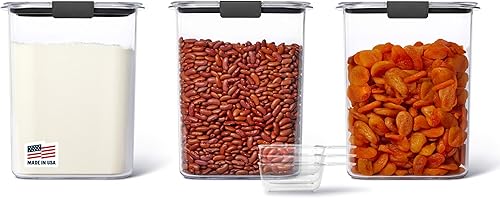
Rubbermaid Brilliance jars are made from durable, clear plastic that resists scratches better than some alternatives. They feature airtight seals and locking lids that snap firmly closed. The clear plastic helps monitor content freshness but the containers are heavier than similar plastic jars.
Rating: 4.7 out of 5 (31.6K ratings)
Pros
- Durable clear plastic resists scratches
- Secure locking airtight lids
- Large opening for easy scooping
Cons
- Heavier than typical plastic jars
- Lids can be stiff to open initially
Best for dedicated flour and sugar storage: Progressive ProKeeper Baker’s Set

This set is designed specifically for flour and sugar with lids that clamp down onto a silicone gasket for airtightness. The 2.5-quart containers are a manageable size for regular baking quantities, but the clamps can loosen after heavy daily use, requiring occasional tightening.
Price when checked: $64.99 · Rating: 4.7 out of 5 (11.9K ratings)
Pros
- Clamping lids with silicone gasket
- Sized for common baking quantities
- Clear plastic bodies
Cons
- Clamp mechanism may loosen over time
- Less stackable due to lid design
Best for bulk storage: Shazo Extra Large Containers

Shazo jars provide ample capacity for those who buy flour and sugar in bulk. Their large size reduces frequency of refills but makes handling and scooping more cumbersome. These are a niche pick for big families or serious bakers with a lot of storage space.
Price when checked: $35.99 · Rating: 4.3 out of 5 (242 ratings)
Pros
- Extra-large 5+ quart capacity
- Airtight seals with locking lids
- Wide mouths for easy access
Cons
- Heavy and bulky to handle
- Consumes more pantry space
Best compact and space-saving: ComSaf Airtight Container 3-Pack

The ComSaf set is smaller with containers ranging from 1.5 to 2 quarts, making them ideal for kitchens with limited storage. The airtight seals are effective, but the smaller capacity means you will refill frequently. Not suited for heavy use or bulk storage needs.
Price when checked: $12.59 · Rating: 4.6 out of 5 (3.4K ratings)
Pros
- Compact sizes fit small spaces
- Reliable silicone gasket seals
- Lightweight and portable
Cons
- Small capacity requires frequent refills
- Not ideal for large households
Best for glass-window visibility: Le’raze Stainless Canisters with Glass Window

Three stainless steel canisters with glass windows and airtight lids, so you can check levels without opening them.
Price when checked: $24.99 · Rating: 4.4 out of 5 (772 ratings)
Pros
- Glass window
- Airtight lids
- Stainless finish
Cons
- Window is small
- Not for large flour quantities
Choosing the right storage jars for your pantry
If you rarely bake or use flour and sugar in small quantities, smaller airtight jars or even resealable bags might suffice. For regular bakers, investing in containers with reliable silicone gasket seals and locking lids prevents moisture damage and pest infestation.
Consider your storage space carefully. Tall, narrow jars save shelf depth but may be unstable, while short, wide jars are easier to scoop from but take more space. Glass jars suit those who want to monitor content visually but require careful handling; plastic is better for rougher kitchens or where weight matters.
Avoid jars without gaskets or weak seals. Even airtight labeled jars can fail if the lid doesn’t compress the gasket evenly around the rim. Frequent flour clumping or pest problems almost always trace back to inadequate sealing rather than the container material.
When selecting jars, also consider the environmental conditions of your pantry. In humid climates with average relative humidity above 60%, airtight seals become even more critical. Using desiccant packets inside jars can further reduce moisture levels by up to 10%, extending the shelf life of stored flour and sugar.
Additionally, investing in jars with modular stacking designs can improve pantry organization and reduce the risk of accidental spills. Some manufacturers provide standardized sizes that allow stacking up to three or four jars high, with each jar supporting up to 10 pounds (4.5 kg) when stacked safely.
Finally, consider the long-term cost and sustainability. Glass jars, though heavier and more fragile, can last decades if handled carefully, while plastic jars may need replacement every 3-5 years due to wear and odor retention. Stainless steel options offer durability and pest resistance but at a higher initial cost and lack of content visibility.
Related reading
- How to Choose an Ice Cream Scoop That Won’t Bend or Break
- Large Sphere vs. Skull Ice Molds for Whiskey Drinks: A Comparison
- Popsicle Molds: A Buying Guide for Parents
Frequently Asked Questions
How important is an airtight seal for flour and sugar storage?
An airtight seal is crucial because it prevents moisture and pests from entering the container. Flour and sugar absorb moisture easily, which leads to clumping and spoilage. Airtight seals typically use silicone gaskets compressed by snap or clamp lids to ensure no air passes through, preserving freshness and usability.
Are glass jars better than plastic for pantry storage?
Glass jars allow you to see the contents clearly and can be washed thoroughly without retaining odours. However, they are heavier and more fragile than plastic. Plastic jars are lighter and less prone to breaking but can stain or absorb smells over time, especially with brown sugar or molasses-rich ingredients.
What size jar should I choose for storing flour and sugar?
Choose a jar size that matches your consumption and storage capacity. Containers between 2 to 4 quarts (1.9 to 3.8 litres) are typical for household use, balancing volume and manageability. Larger jars reduce refilling but are heavier and need wider openings for scooping, while smaller jars require more frequent refills, increasing transfer handling.

Rimi Sultana is a home cook from Bangladesh who has cooked for her family every day for the past five years and writes about it at Smart Cooks. Perpetually testing whether internet-famous recipes actually work in a regular home kitchen. Say hello on Facebook or through the contact page.